
Last updated November 22, 2026
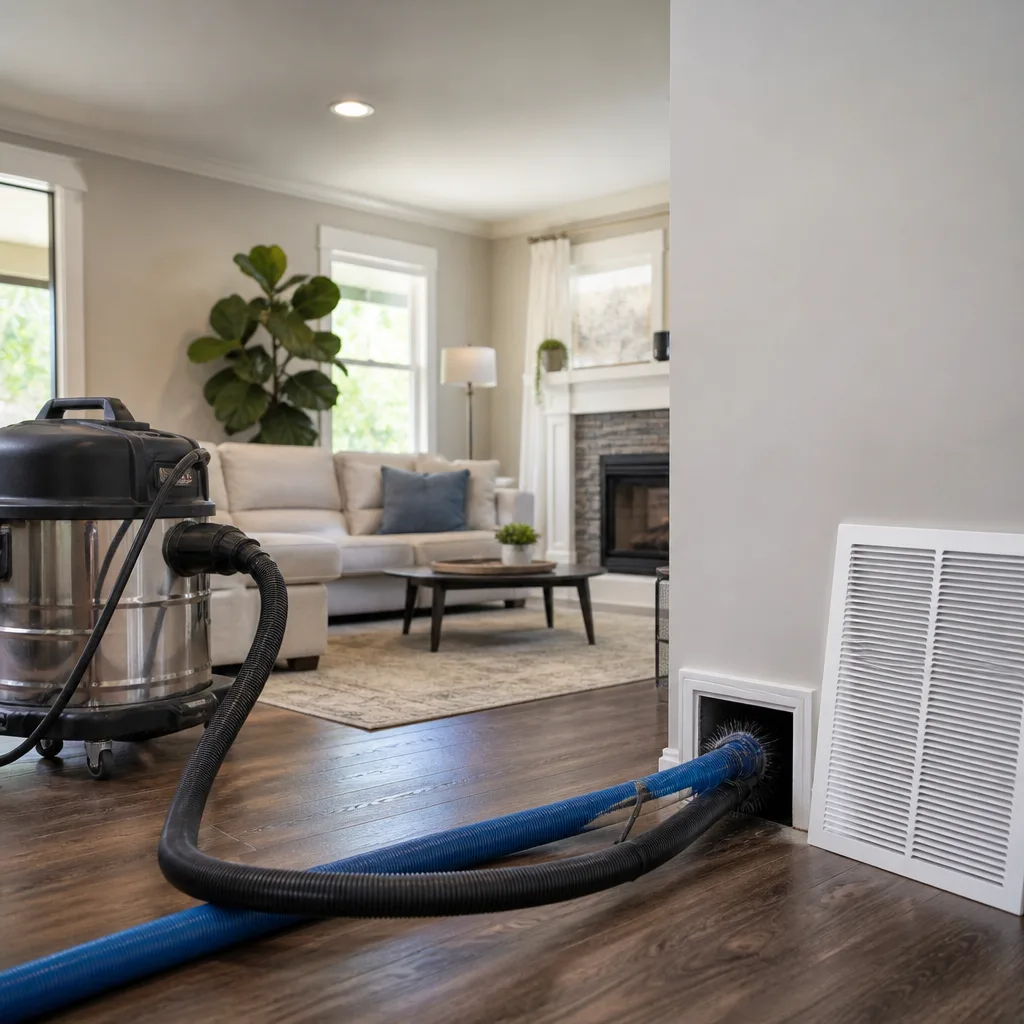 Whole-home duct cleaning
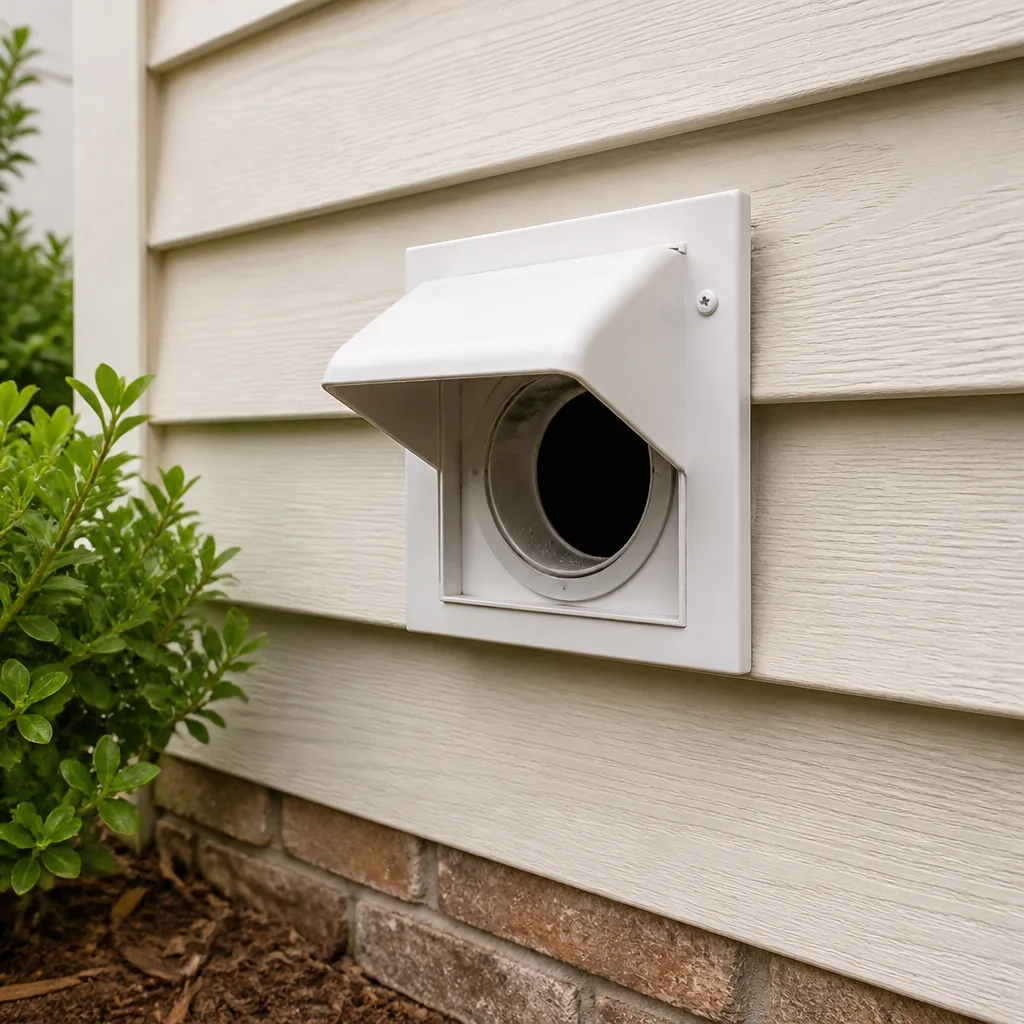 Dryer vent cleaning
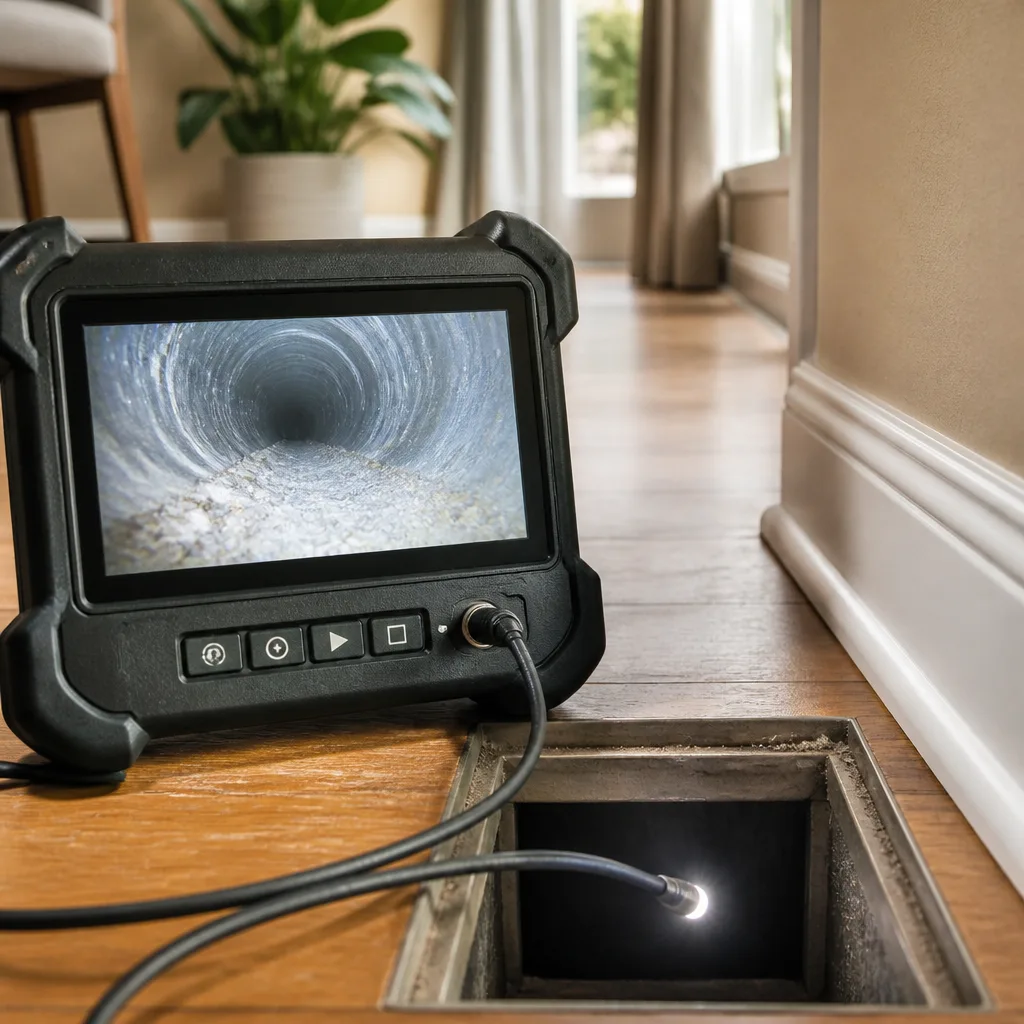 Camera inspection
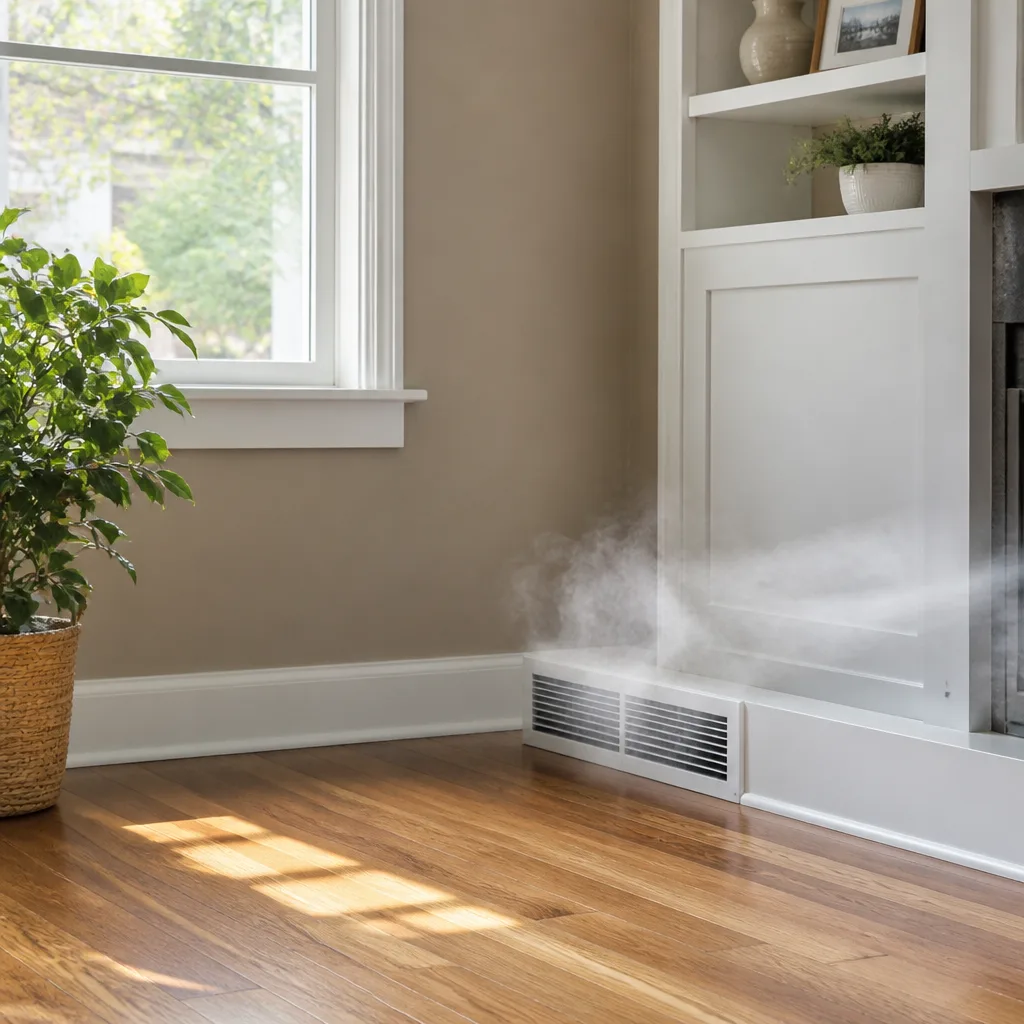 Sanitizing & deodorizing
Whole-system duct and dryer vent check with before-and-after photos - you see exactly what came out of your vents
That "$99 whole-house special" is a bait ad - the real number appears once they are in your hallway, or the "clean" is a shop-vac at the register. We photograph the inside of your ducts before and after instead.
The Complete Guide to Air Duct Cleaning in Williamsburg
A common assumption is that duct cleaning is duct cleaning: same brush, same vacuum, same result, no matter what building you live in. In Williamsburg that assumption falls apart fast. A system in a 1990s gut-renovated row house on a quiet side street and the original rigid ductwork in a converted factory loft are two different jobs, and the method has to match the metal, not the invoice. In this guide we’ll walk through how duct construction, building history, and equipment standards shape the work, what a full cleaning actually involves, and how to verify it was done. Williamsburg buildings have a lot to say about your air quality.
Quick Answer
Air duct cleaning in Williamsburg is a multi-step process, not a single vacuum pass: inspection, mechanical agitation, negative-pressure extraction, repair and sealing, then sanitizing and filtration. The correct method depends on your duct type – rigid galvanized, flex, or original cast iron – and on the building’s history, since converted industrial and heavily renovated spaces carry higher baseline particulate loads. A thorough job ends with before-and-after camera footage you can review yourself.
Styles & brands we work with
- Whole-home duct cleaning
- Dryer vent cleaning
- Camera inspection
- Sanitizing & deodorizing
Table of Contents
- Why duct construction in Williamsburg determines the method
- How Williamsburg’s building stock raises baseline particulate loads
- The five-step process and what a one-step vacuum skips
- Equipment standards: remediation-grade versus consumer-grade
- What post-cleaning verification should look like
- Signs your Williamsburg home needs duct cleaning
- What duct cleaning costs and what changes the price
- Common mistakes to avoid
Why duct construction in Williamsburg determines the method
The single biggest variable in a duct cleaning job isn’t how dirty the system is. It’s what the system is made of. Use the wrong method on the wrong material and you’ll leave behind dust you can’t see, or worse, damage the duct itself.
Here’s how the major duct types in Williamsburg break down and what each one requires:
- Rigid galvanized steel: The most common system in postwar and renovation-era housing. Durable and forgiving of mechanical agitation. A rotary brush system like Rotobrush works well here because it contacts all four sides of the duct interior and dislodges caked-on debris rather than skimming the surface.
- Flexible duct (flex): Corrugated plastic-over-wire, often used for short runs to registers. The ridges trap dust, and aggressive brushing can tear the liner. The correct approach is gentler contact and controlled negative pressure to lift debris without abrading the material.
- Original cast iron plenums and legacy ductwork: Found in some of the oldest converted buildings in Williamsburg. Cast iron can crack, and its joints are not built for high-pressure mechanical tools. These systems need inspection first and a light-touch method chosen on-site.
- Fiberglass duct board: Used in some retrofits. The interior facing is fragile and should never be aggressively brushed; encapsulated extraction is the safer choice.
That’s why a responsible air duct cleaning Williamsburg visit starts with inspection and a method decision, not a brush. In our experience, the “same brush for every building” approach is exactly what leads to torn flex liners and abraded duct board. Our technicians have up to 13 years of experience reading a system before touching it, and that first look is what protects the ducts you already own.
How Williamsburg’s building stock raises baseline particulate loads
Williamsburg isn’t a uniform suburb, and its duct systems carry dirt from sources a suburban ranch never sees. The neighborhood’s industrial-to-residential conversion history matters far more than most homeowners realize.
When a factory or warehouse becomes lofts, the construction itself – cutting, sanding, drywalling, finishing – generates fine particulate that settles into every open cavity, including ductwork. Even years after a gut renovation, residual construction dust can remain in duct runs that weren’t properly capped and cleaned. Add the daily reality of mixed-use walk-ups, where residential units sit above storefronts and workshops, and the intake air carries a different load than a detached house on a quiet block.
We’ve seen this pattern enough to plan for it. Buildings in and around Williamsburg tend to fall into a few categories:
- Pre-war walk-ups: Older systems, sometimes patched and extended over decades, with the tightest clearances and the most legacy material.
- Converted industrial buildings: High ceilings, long duct runs, and renovation-era dust that standard service misses.
- Gut-renovated row houses: Newer duct systems but a construction history that can leave debris in returns and main trunk lines.
Alongside that, the climate itself loads the system. Humid summer air means condensation can form on cool duct surfaces, which is exactly where microbial growth takes hold. That’s one reason our air duct cleaning work includes sanitizing as a dedicated step, not an optional upsell.
The five-step process and what a one-step vacuum skips
A single-step vacuum service removes what it can reach and stops. A full indoor-air system approach runs five stages, and each one catches what the previous stage couldn’t.
- Inspection. We camera the main runs and branch lines and identify duct material, contamination type, and any damage or leaks. This decides the method for the rest of the job.
- Mechanical agitation. A rotary brush system loosens debris bonded to the duct walls so it can be extracted. Skipping this leaves the caked layer behind and the vacuum only catches loose dust.
- Negative-pressure extraction. A high-capacity vacuum holds the system under negative pressure so dislodged debris is pulled out and contained, not pushed into living space. This is where cross-contamination is prevented or created.
- Repair and sealing. Leaks at joints and connections waste HVAC efficiency and let contaminated air back into the system. We identify and seal them, which most standalone cleaners don’t do.
- Sanitizing and filtration. Cleaning removes the material; sanitizing addresses microbial growth, odors, and airborne particulates on the surfaces that remain. Filtration upgrades can then keep the system cleaner going forward.
The one-step vacuum skips steps two through five almost entirely. It looks like service, but it can’t get past surface dust, and it never touches the leaks that undermine everything downstream.
Equipment standards: remediation-grade versus consumer-grade
Equipment is not a detail. It’s the line between a real cleaning and a cosmetic one, and it’s the first thing to ask about when comparing quotes.
Professional duct cleaning relies on three equipment categories working together:
- Rotary brush agitation. A motorized brush that scrubs the full interior of the duct rather than a loose hand tool. We use Rotobrush systems for this because they’re built for duct interiors, not improvised from other tools.
- High-capacity negative-air extraction with HEPA filtration. Consumer shop vacuums don’t move enough air or filter fine enough to contain duct debris, which includes fine particulate that a basic filter passes straight back into the room. We use Nikro vacuum and negative-air equipment for this.
- Remediation-grade air filtration. This is where capability separates. Abatement Technologies air filtration is the standard used on professional remediation projects, and it’s in our lineup because conversion-era dust and microbial contamination call for it.
HEPA filtration matters here. Fine particles are the whole reason a shop-vac approach fails; without true HEPA capture, you’re rearranging dust, not removing it. One quick rule: if a quote can’t tell you the equipment brands and whether the vacuum is HEPA-filtered, that’s your answer. Ask about extraction capacity in plain terms, not slogans, and expect a straight response. For related pathways, our dryer vent cleaning and HVAC cleaning work use the same remediation-grade standard.
What post-cleaning verification should look like
No reputable contractor should refuse to show you camera footage of your own ducts before and after cleaning. If they won’t, that tells you more than any guarantee on a website.
Verification isn’t a feel-good extra. It’s the proof that the work matched the method. Here’s what it should include:
- Before footage from inspection. Document the contamination in the main runs and at least one branch line, so there’s a baseline.
- After footage from the same points. The same locations, re-cameraed, so you can compare directly.
- Sealed-leak confirmation. A walk-through of the joints and connections that were repaired, so you know the system isn’t reintroducing unfiltered air.
- Documented filtration and sanitizing. What was applied and where, in writing.
This is where a five-service provider matters. Because we handle duct cleaning, dryer vent cleaning, HVAC cleaning, duct repair and sealing, and air quality and sanitizing as one scope, the person who inspects your ducts is working from the same record through to the final camera check. You’re not coordinating a cleaner and a separate repair contractor who never see each other’s work.
Signs your Williamsburg home needs duct cleaning
Most duct systems don’t announce themselves. The signs are quiet and cumulative, which is why they’re easy to miss until the system is well past due.
Watch for these signals:
- Visible dust on registers and nearby surfaces within days of cleaning them. That’s often a leak pushing dust out, not just a dirty filter.
- Musty or stale odors when the HVAC cycles on. In Williamsburg’s humid summers, condensation-driven growth in ducts is a common cause.
- Unexplained allergy-type symptoms or worsened breathing indoors, especially in rooms closest to returns.
- Recent renovation or conversion work in the building. Construction dust can settle deep into duct runs.
- Uneven airflow between rooms, which can point to leaks or blockages in the system rather than a failing unit.
- It’s simply been years since any service. Ducts don’t need yearly cleaning, but they do need it eventually.
If two or more of these are present, an inspection is the right next step. A camera check is far cheaper than a full system repair after a leak has been ignored.
What duct cleaning costs and what changes the price
Duct cleaning is priced per job, set by a written estimate after inspection, not per vent and not by a teaser coupon figure. That structure exists because the variables that change the job are invisible until someone looks at the system.
The main cost drivers are:
- Number of systems and length of runs. A single apartment system is a different job from a multi-return converted loft with long trunk lines.
- Duct material and condition. Rigid galvanized is straightforward; fragile flex, duct board, or legacy cast iron need more careful handling.
- Contamination level. Post-renovation dust and microbial growth take more time than routine dust.
- Repair and sealing scope. Leaks identified during inspection add to the work, but they’re the part that keeps the system clean afterward.
- Sanitizing and filtration add-ons. These address what mechanical cleaning can’t reach.
We give you one flat price per system, agreed before work starts, with before-and-after photos of your own ducts at the end. No per-vent pricing, no bait-and-switch invoice once we’re on-site. The written estimate is the final price. Call (833) 508-9915 for a free estimate – it’s the fastest way to know what your specific system needs.
Common Mistakes to Avoid
- Assuming every cleaner uses the right method for your duct type. A brush meant for rigid steel will damage flex or duct board. Ask specifically how they handle your system before booking.
- Choosing on the lowest coupon price. A teaser rate that balloons once the technician arrives is this industry’s most common complaint. Insist on a flat price per system before any work starts.
- Skipping sealing to save money. A cleaned system with leaking joints will reintroduce dust within weeks. Cleaning without sealing is a short-term fix.
- Believing “sanitizing” is automatically included. Mechanical cleaning doesn’t address microbial growth. Confirm what’s actually in the quote.
- Not asking for before-and-after footage. If they won’t show you the ducts, you have no way to verify the work was real.
- Accepting a shop-vac service as professional cleaning. Without HEPA-grade extraction and adequate air movement, fine particulate ends up back in the room.
- Ignoring the rest of the pathways. Your dryer vent and HVAC internals carry the same debris load as your ducts, and a partial job leaves the system half-handled.
See the difference
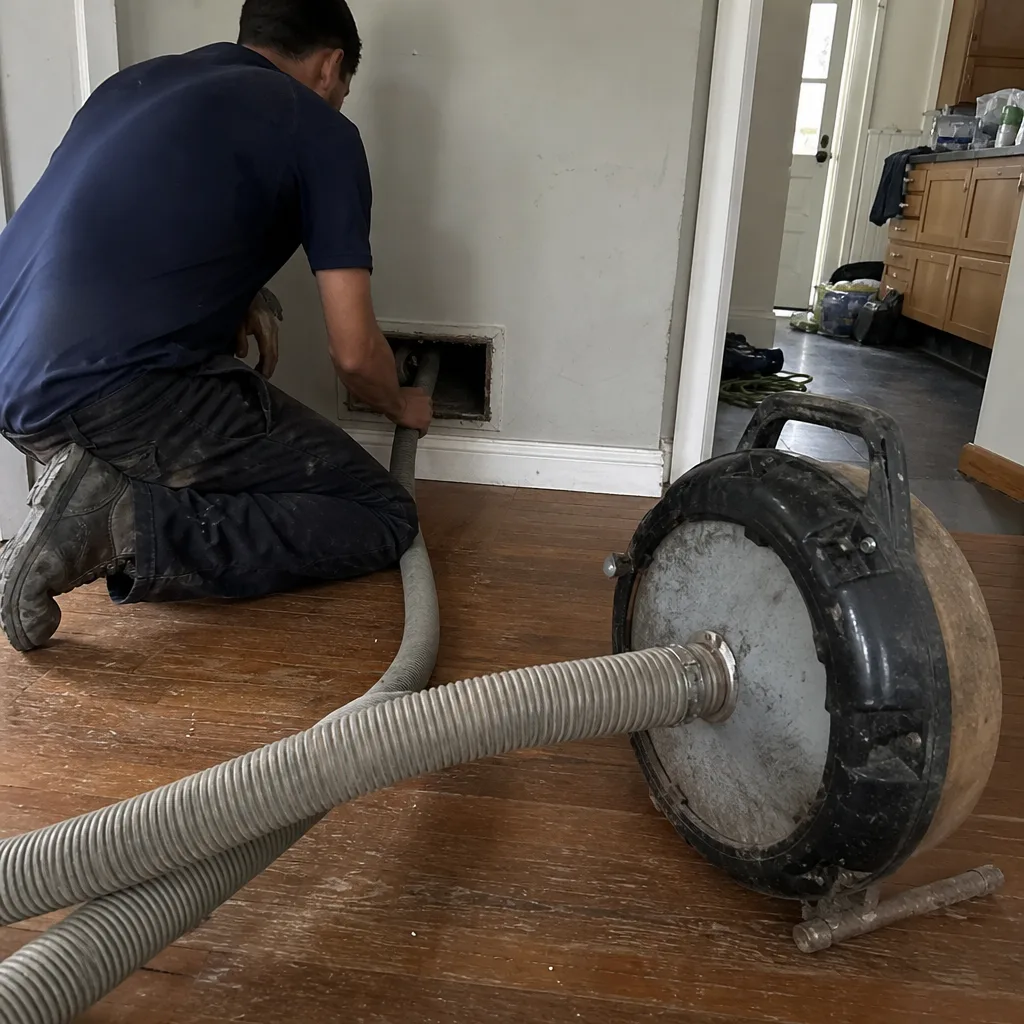 Before
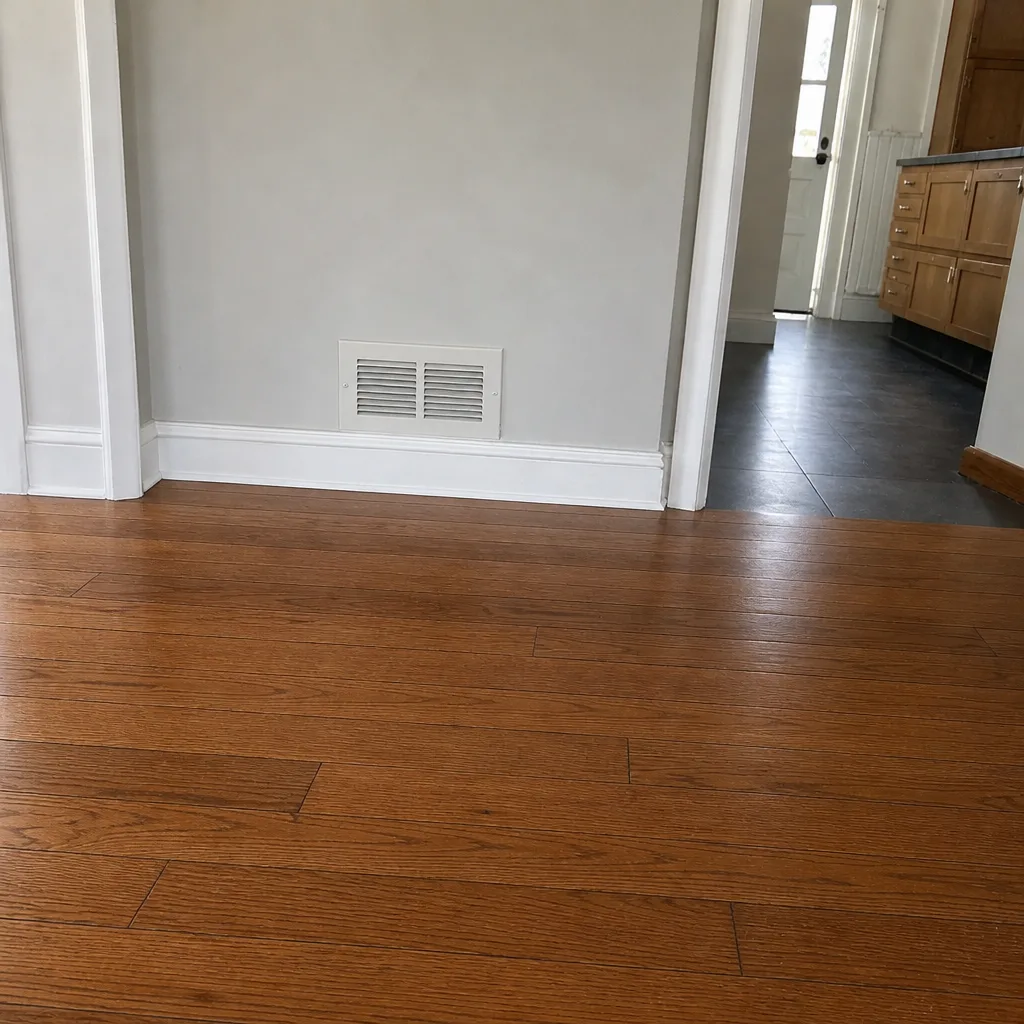 After
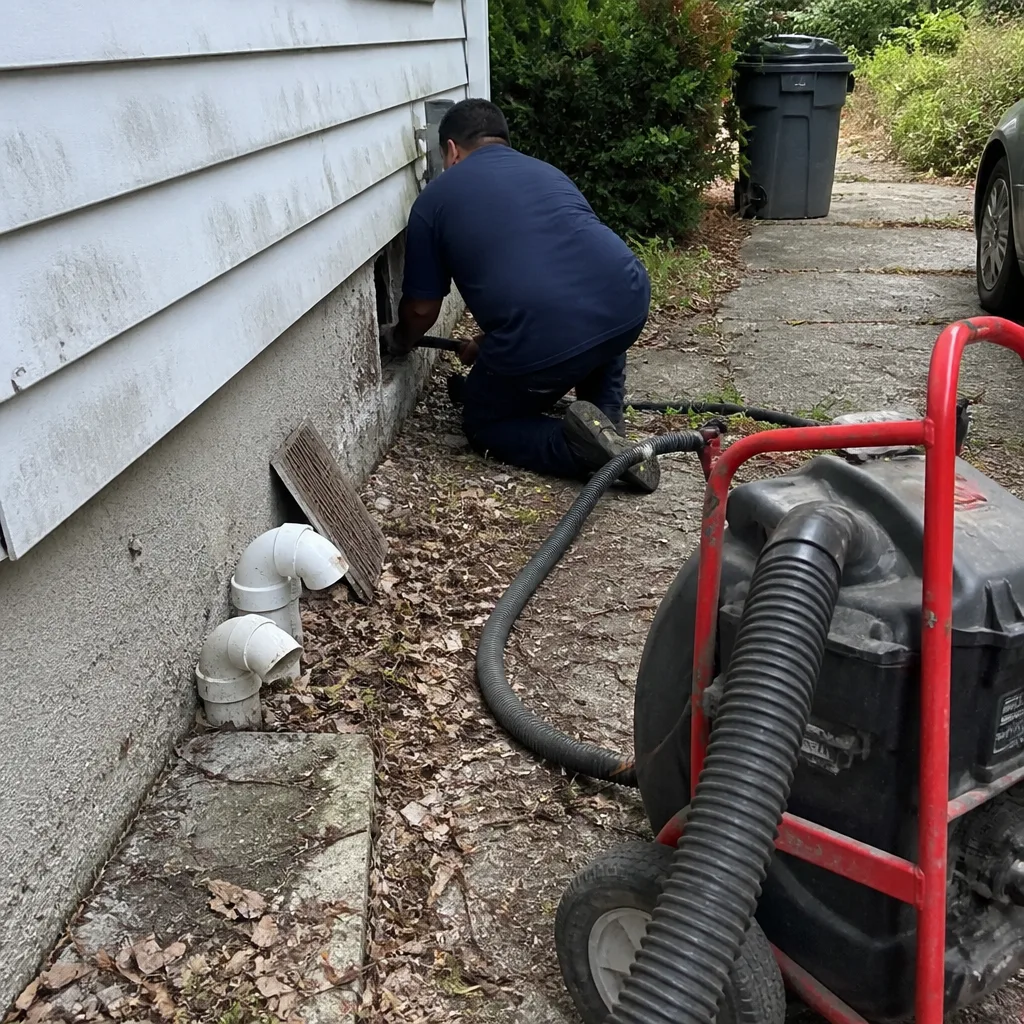 Before
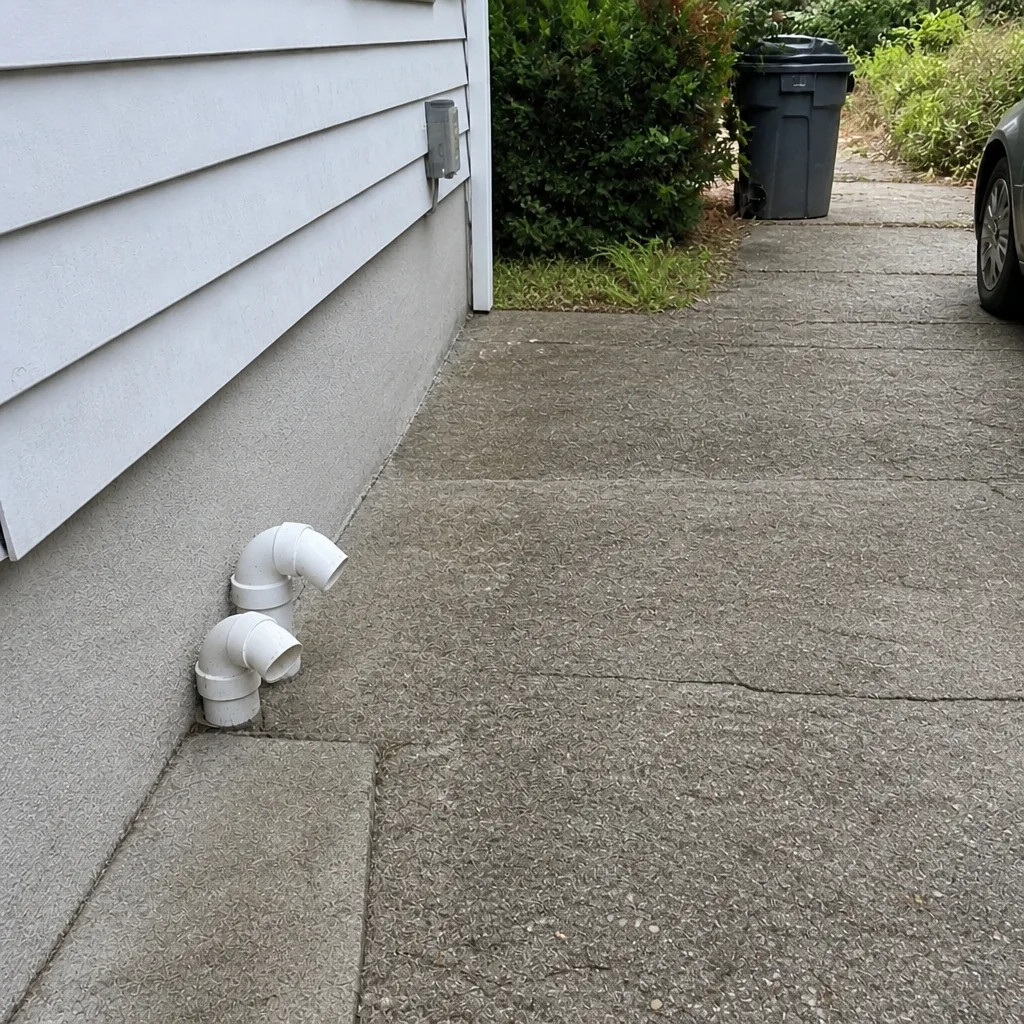 After
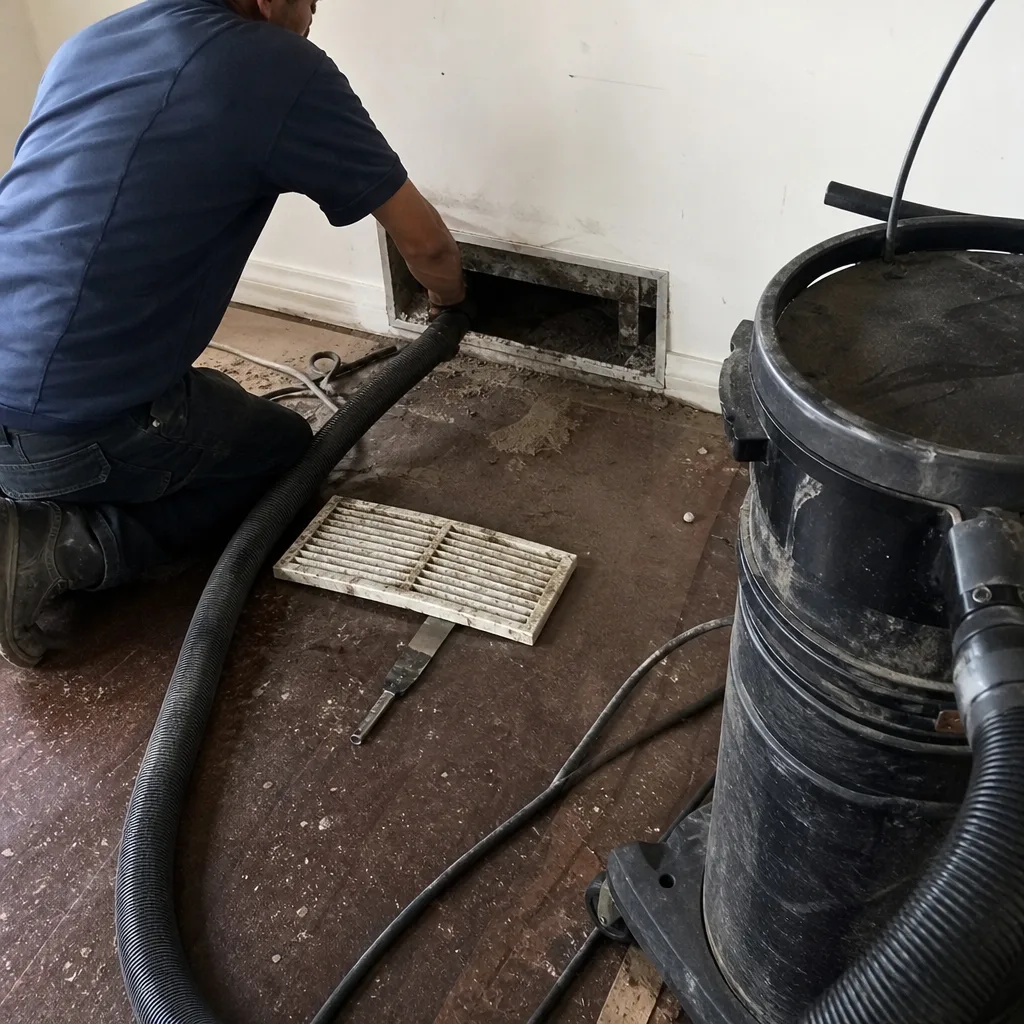 Before
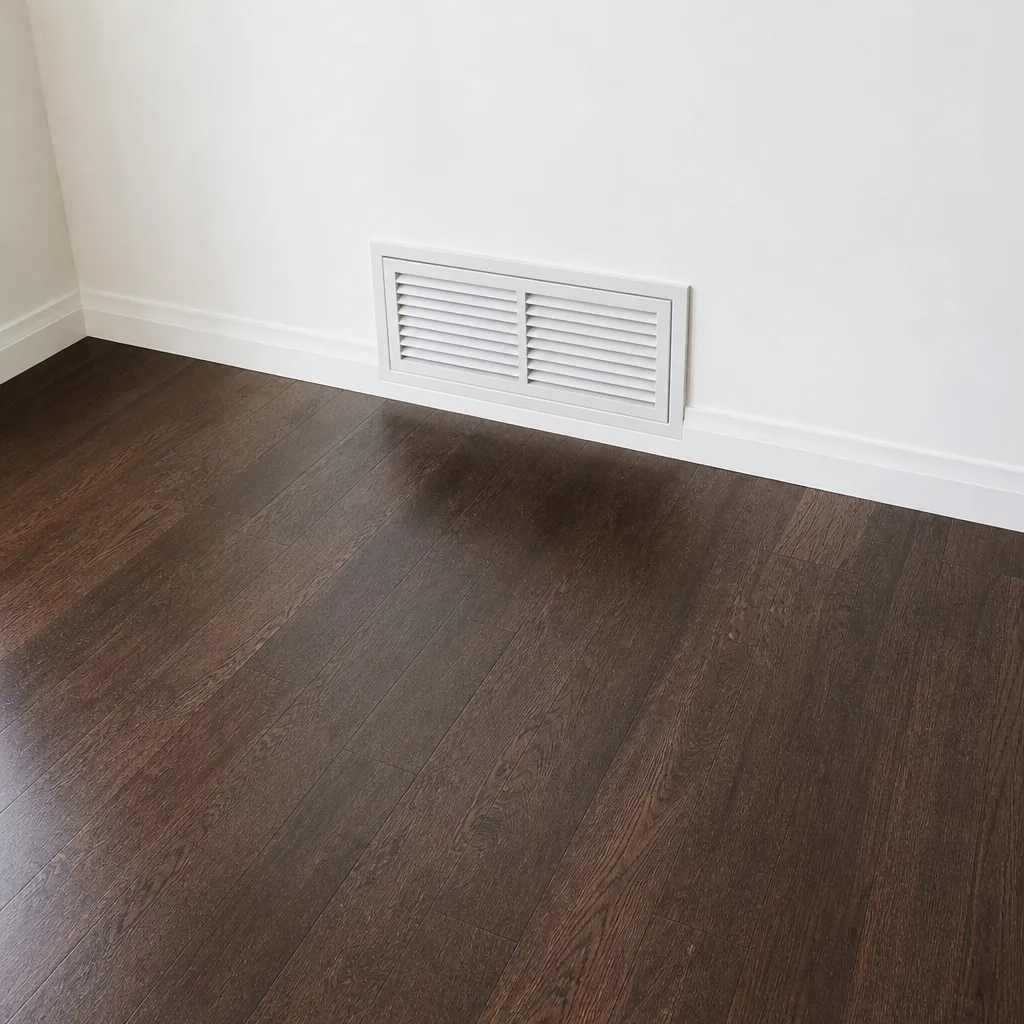 After
When to Call a Professional
Call a professional when you can see dust returning to surfaces within days, when odors track with the HVAC running, or when your building has had recent renovation or conversion work. If anyone in the home has worsened respiratory symptoms indoors, an inspection is worth doing sooner rather than later. And if it’s been several years with no service, a camera check will tell you whether cleaning is actually needed or not. Air Duct Cleaning Williamsburg offers free estimates in Williamsburg – call (833) 508-9915. We answer 24/7, with fast dispatch from 7am to 7pm, Sunday through Friday.
Frequently Asked Questions
We can’t give you a single number for every home, because the job is priced per system after inspection – the number of returns, duct material, contamination level, and any repair work all change the scope. What we will give you is one flat price per system, agreed before work starts, with the written estimate setting the final price. Call (833) 508-9915 for an exact quote – estimates are free.
Cheap quotes usually describe a single-step vacuum, not a full cleaning. That means no rotary brush agitation, no repair or sealing, and often a shop-vac-grade vacuum without proper HEPA filtration – so surface dust is moved and the rest stays where it was. Ask any contractor what equipment they use and whether sealing is included before you compare prices. Call (833) 508-9915 for a straight estimate.
You should see camera footage of your own ducts from the same points before and after cleaning. A contractor who won’t show that is telling you something. We document the before-and-after and walk through any sealed leaks with you. Call (833) 508-9915 to book an inspection.
There’s no fixed schedule that fits every building. Most homes are fine going several years between cleanings unless there’s been renovation, visible dust return, odors, or symptoms indoors – in a converted or heavily renovated Williamsburg building, the construction history can justify a check sooner. Call (833) 508-9915 for a system-specific recommendation.
Yes, and those systems often need the most careful approach. Converted industrial buildings and pre-war walk-ups frequently have long duct runs, legacy materials, and renovation-era dust, so we inspect and camera the system before choosing a method. Call (833) 508-9915 to schedule an inspection.
Yes. Duct repair and sealing, air quality and sanitizing with Guardsman-grade products, and filtration upgrades using Honeywell and Aprilaire lines are all part of our five-service scope, so you’re not coordinating separate contractors. Call (833) 508-9915 for a free estimate.
The Bottom Line
Duct cleaning in Williamsburg isn’t one service – it’s a method chosen to fit your building. Rigid galvanized, flex, and legacy cast iron each require different handling, and the borough’s conversion history means many systems carry construction-era dust that a single vacuum pass never touches. A real cleaning runs inspection, agitation, negative-pressure extraction, sealing, and sanitizing, backed by remediation-grade equipment and camera verification you can see. Anything less leaves the job half-done. If you want that full indoor-air system approach, Air Duct Cleaning Williamsburg is ready – call (833) 508-9915 for a free estimate. We answer 24/7, with fast dispatch from 7am to 7pm, Sunday through Friday.
Written by the team at Air Duct Cleaning Williamsburg.