
Last updated November 22, 2026
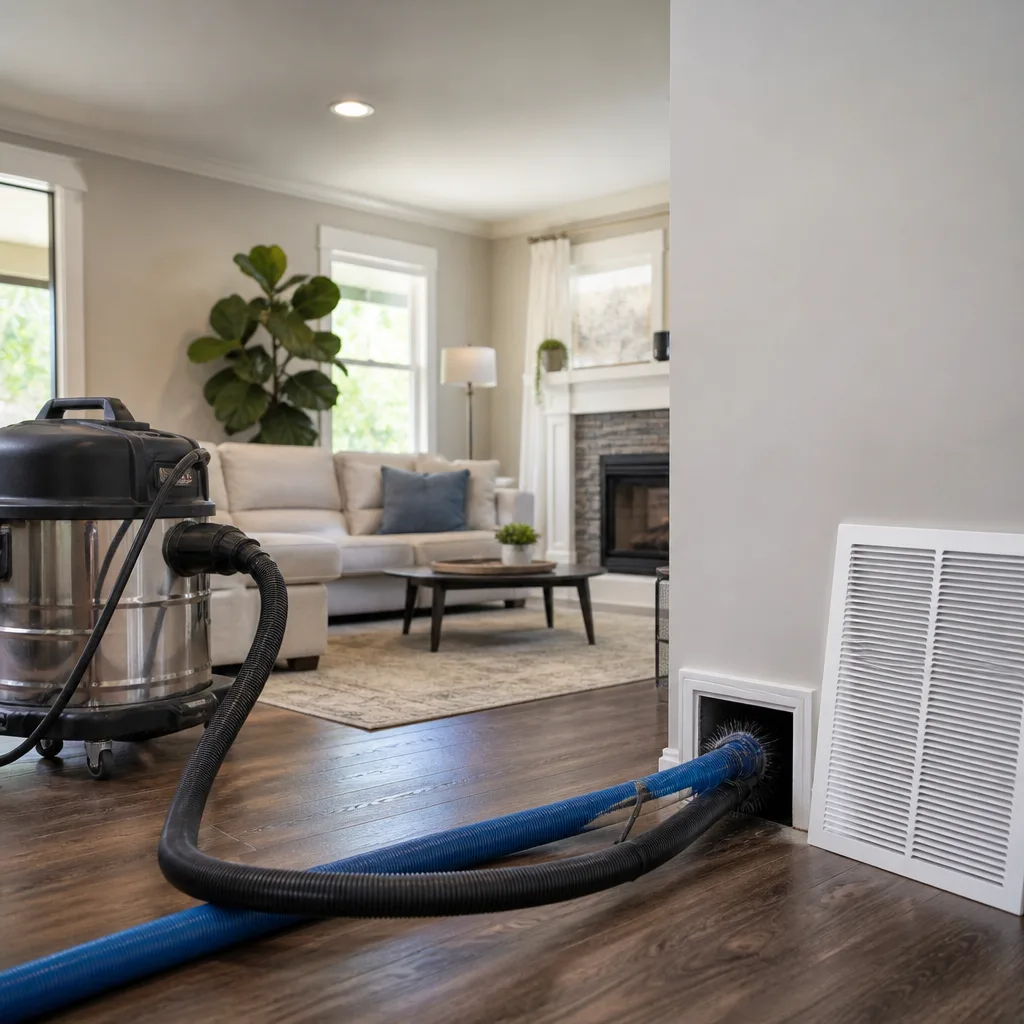 Whole-home duct cleaning
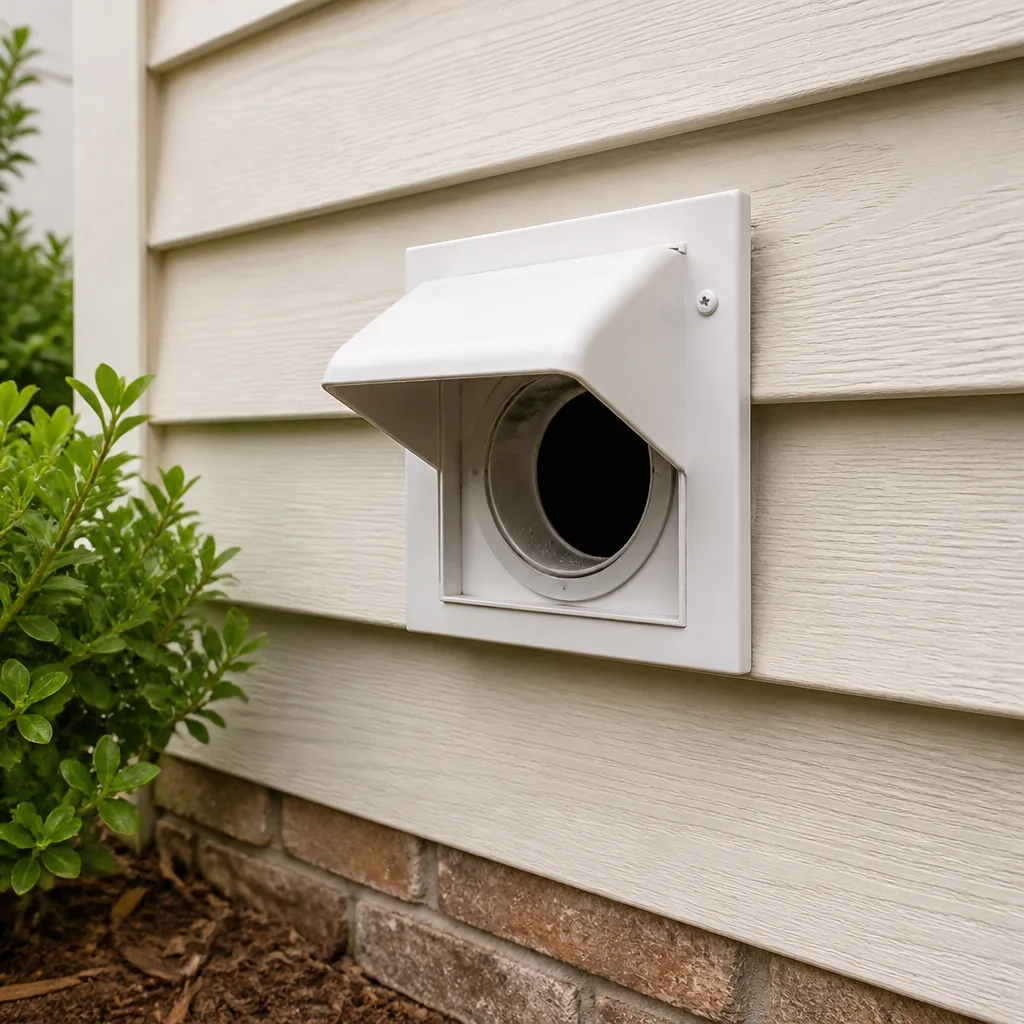 Dryer vent cleaning
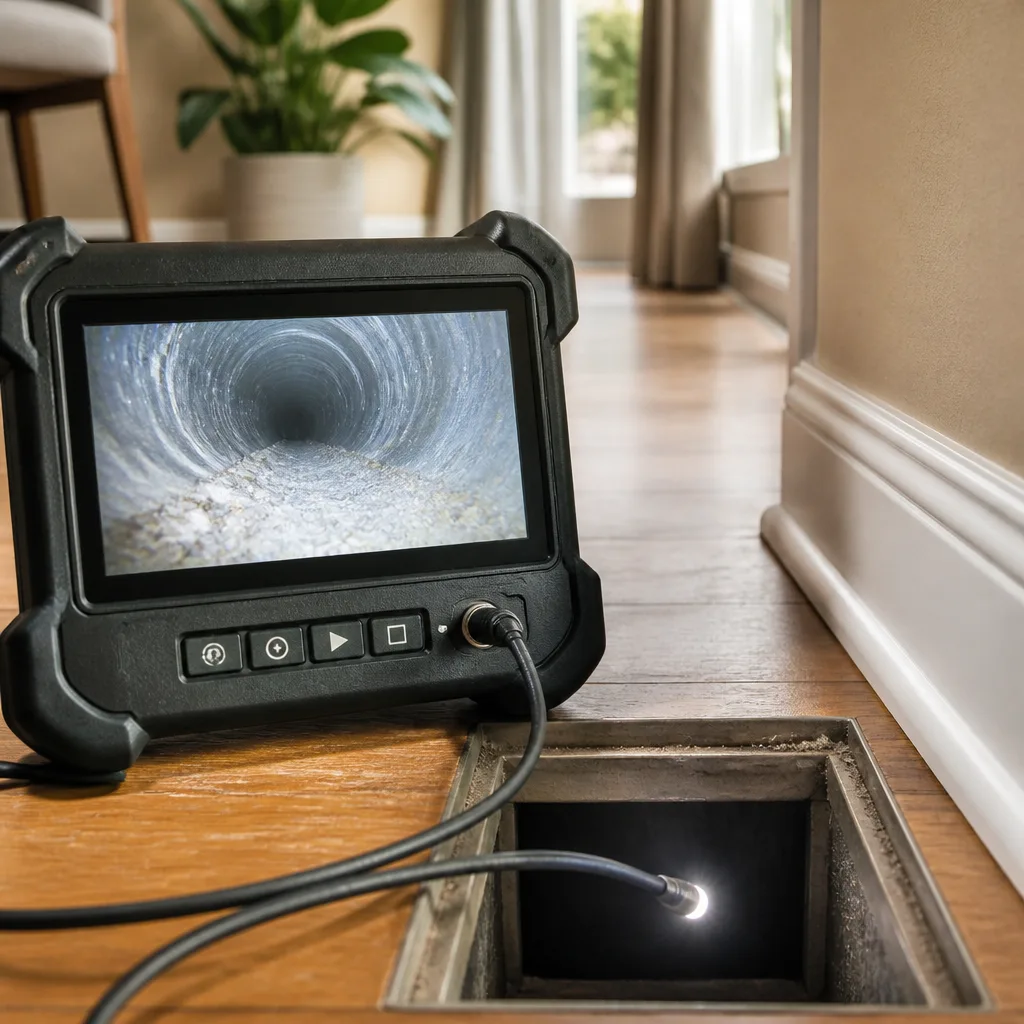 Camera inspection
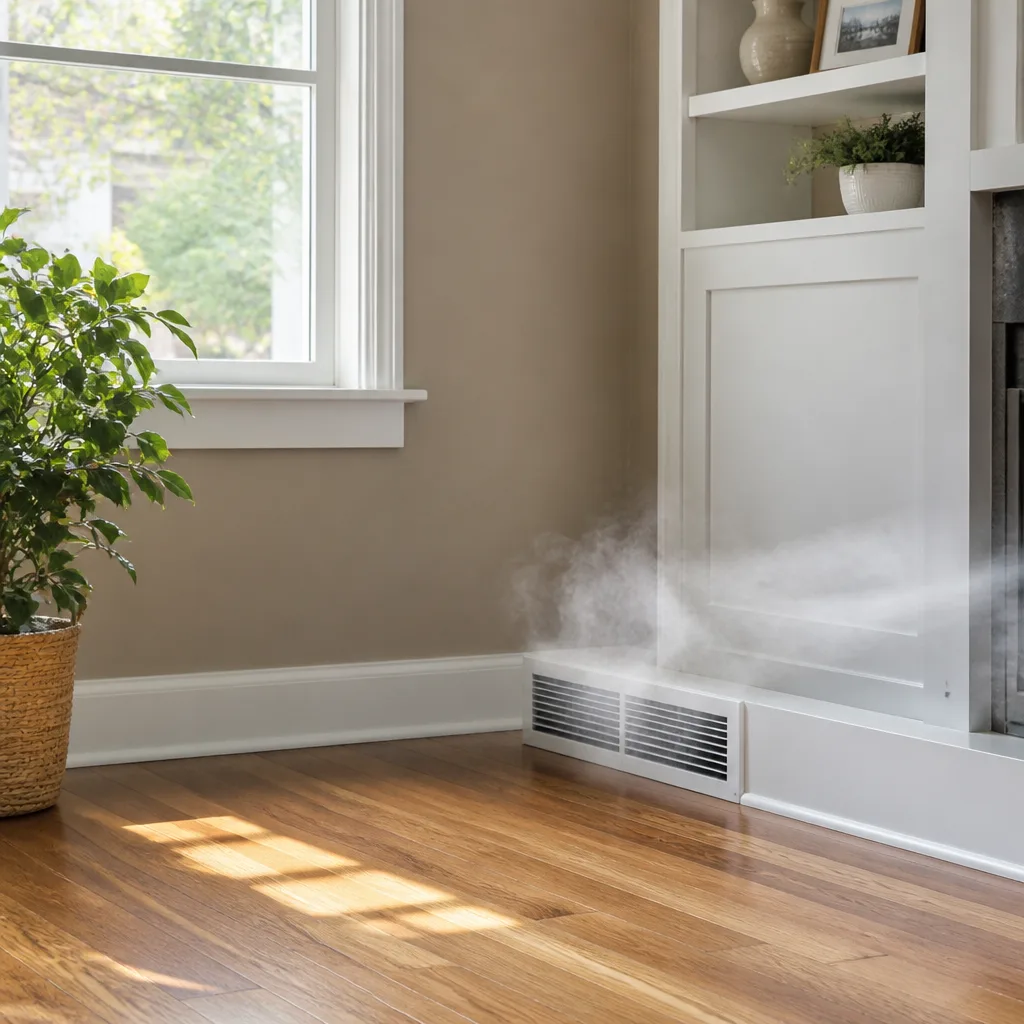 Sanitizing & deodorizing
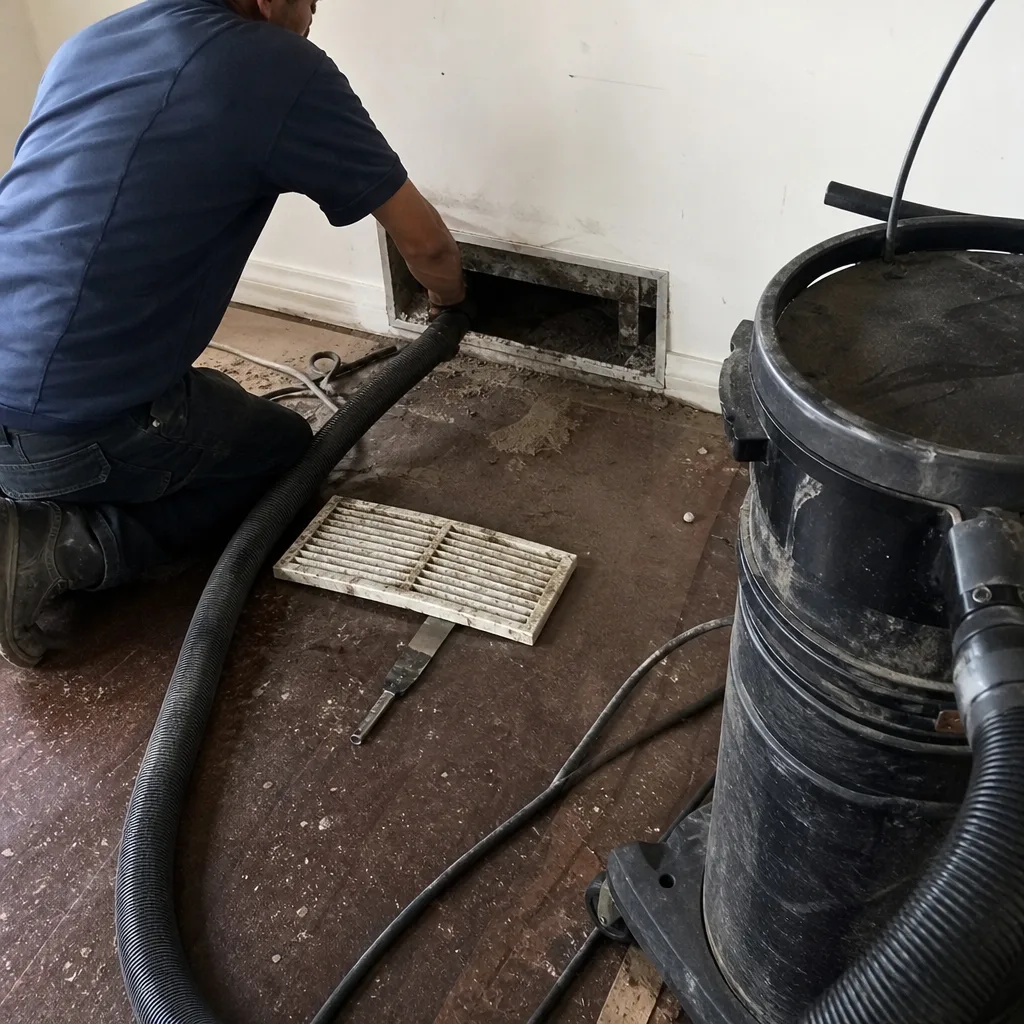
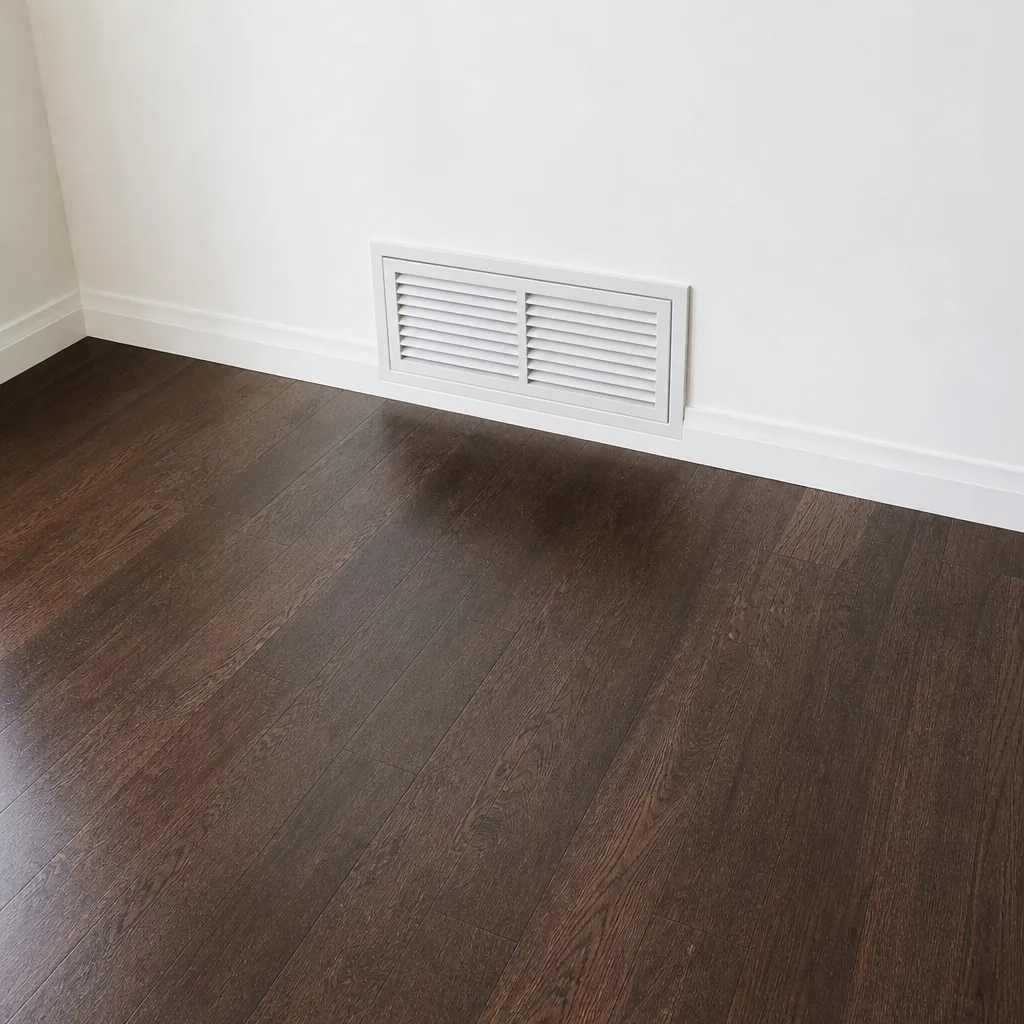
Whole-system duct and dryer vent check with before-and-after photos - you see exactly what came out of your vents
That "$99 whole-house special" is a bait ad - the real number appears once they are in your hallway, or the "clean" is a shop-vac at the register. We photograph the inside of your ducts before and after instead.
Seasonal Air Duct Cleaning Care for Williamsburg: Year-Round Homeowner’s Guide
Telling a Williamsburg homeowner to “clean the ducts once a year” is like telling them to change their car oil every January no matter how many miles they drove. The calendar doesn’t know what your system has been through. A townhouse that ran the AC hard through a humid July has a very different duct load than the same unit on the top floor of a pre-war building that just finished a gut renovation. Williamsburg’s climate and housing stock create distinct seasonal stress points, and the right service timing follows those cycles, not a fixed date on a wall calendar. This guide maps the year season by season: what accumulates, what to inspect, and when to schedule work so your system stays clean through heating and cooling demand.
Quick Answer
In Williamsburg, the most effective air duct cleaning schedule follows the seasons rather than a single annual visit: inspect in spring before cooling season starts, clean in early fall before the heat comes on, and address humidity-related microbial growth in late summer. Most homes benefit from a professional cleaning every one to three years, but the timing that matters most is right before a major season change, when accumulated debris is about to be pushed through the whole system.
Styles & brands we work with
- Whole-home duct cleaning
- Dryer vent cleaning
- Camera inspection
- Sanitizing & deodorizing
Table of Contents
- Why a Season-Based Schedule Beats an Annual Cleaning
- Summer: Humidity, Microbial Growth, and the First Cooling Season Review
- Fall: The Highest-Particulate Moment of the Year
- Winter: How Older Williamsburg Buildings Recirculate Dust
- Spring: Assessing Post-Winter Condition Before Cooling Demand
- When a Neighbor Renovates: Adjusting Your Schedule
- The Williamsburg Seasonal Schedule at a Glance
- What “Clean” Actually Means: Verification and Equipment
Why a Season-Based Schedule Beats an Annual Cleaning
A duct system isn’t a static box. It’s a moving column of air that picks up whatever the building throws at it: summer humidity, fall leaf debris drawn in through a return, winter dust from radiators and forced-air heat, spring pollen, and renovation dust from the unit next door. Each of those loads lands at a different time of year. If you clean in March but the heaviest load of the year arrives in October, you spent the money months before the problem peaked.
The clean-and-forget approach also assumes every home in Williamsburg is the same. It isn’t. A modern high-rise condo with a sealed envelope and a heat-pump system runs a very different duty cycle than a converted loft in a century-old building with original duct runs and radiator heat. The first may only need attention every few years. The second can build up debris faster because the system is less efficient at keeping it out of the airstream.
Here’s the principle we work from: schedule the cleaning so it lands before the season that will push the most air through the system, not after. That way the first major run of the season moves clean air, not last season’s accumulation. For most Williamsburg homes that means two checkpoints per year, one in spring and one in early fall, with a full professional cleaning every one to three years depending on the building and how heavily the system runs.
- Spring checkpoint: clears winter dust before AC season begins.
- Fall checkpoint: clears summer debris and humidity residue before the heat comes on.
- Full cleaning: every one to three years, sooner after renovation or visible dust at the registers.
Summer: Humidity, Microbial Growth, and the First Cooling Season Review
July and August in Williamsburg turn an air-conditioning system into a dehumidifier. Cool air moves through ductwork that sits in warm, humid spaces, and condensation forms on interior surfaces wherever the metal or flex duct runs through an unconditioned area. That moisture is the condition microbial growth needs: a damp surface, dust as a food source, and warm air on the outside. It’s why a system that smelled neutral in May can develop a musty odor by August.
Once cooling season is fully running, the most useful thing a homeowner can do is pay attention to signals. You’re not opening the ducts to look inside; you’re reading what comes out.
- Smell test at the registers. Turn the system on after it’s been off for an hour. A damp, earthy, or musty smell at the supply registers points to moisture somewhere in the run.
- Check the condensate. A drain pan that isn’t clearing, or standing water near the air handler, raises indoor humidity and feeds growth in the ducts downstream.
- Watch for dust pattern changes. New streaks around a supply grille, or dust settling on nearby surfaces within days of cleaning them, means air is escaping the duct before it should.
- Note any room that cools unevenly. In a Williamsburg walk-up, an unbalanced run to a back bedroom often points to a leak or a blocked section, not a failing AC unit.
If any of those show up, schedule an inspection. The fix that matters most after the first humid season isn’t another pass with a vacuum; it’s establishing whether moisture entered the system and whether the ducts are sealed well enough to keep it from happening again. A duct system that leaks at the joints draws in humid attic or basement air every time the blower runs.
Fall: The Highest-Particulate Moment of the Year
The transition from cooling to heating is the single highest-particulate moment in an HVAC system’s year. Here’s why. All summer, the AC has been moving filtered, dehumidified air. When the heat comes on the first time, the system pushes a full season of accumulated debris, settled dust, and anything that collected along the duct walls through the entire house in one long run. That’s the “dusty smell” many Williamsburg homeowners notice the first cold week. It isn’t new dust; it’s the stored-up summer load burning off.
Cleaning before that first heating run catches the accumulation while it’s still sitting on the duct surfaces rather than suspended in your air. That timing is the difference between a system that dusts the house every fall and one that doesn’t.
The other reason to think about fall service is equipment. Professional duct cleaning done right uses a rotary brush system inside the run combined with a high-capacity vacuum and negative-air equipment keeping the whole system under suction while the work happens. That combination is what actually removes debris from the duct walls instead of stirring it into the room. We use Rotobrush rotary brush systems and Nikro vacuum and negative-air equipment for exactly this reason: the negative pressure means nothing escapes into living space during service.
- Time it right: book the cleaning so it’s done before the first sustained stretch of cold nights.
- Inspect the filter first: a clogged filter through the previous season limits how much debris reaches the ducts and how hard the blower works.
- Check the returns: return registers that sit low, near the floor, collect the most debris during summer and are worth checking first.
- Ask about sealing: a cleaning that doesn’t address leaking joints lets the same debris re-enter as the heat runs all winter.
Winter: How Older Williamsburg Buildings Recirculate Dust Differently
Heating season exposes a difference between older Williamsburg buildings and modern construction that most seasonal guides skip entirely. A newer system in a tight building recirculates a relatively fixed volume of air through a sealed envelope. A forced-air system in an older building often runs in a loose envelope: gaps at window frames, unsealed duct penetrations, and a mechanical room that draws return air from common spaces. That means every heating cycle pulls in outside dust and building debris, cycles it through the ducts, and deposits a fresh layer on the interiors.
Mid-season, filter upgrades make the most difference. This is where product choice matters. We work with Honeywell filtration products because a high-efficiency filter on a properly sized return is the cheapest way to cut the particulate load that reaches the ducts in the first place. A filter is a maintenance item, not a fix; used well, it keeps the system cleaner between cleanings. Used wrong (a filter rated too restrictive for the blower), it strains the motor and reduces airflow.
Three filter practices worth knowing:
- Match the filter to the blower. A high-MERV filter only helps if the system can move its rated airflow through it.
- Change more often in heating season. Heating cycles pull more debris into the return, so the filter loads faster than in cooling season.
- Don’t run bare. A missing filter sends everything back into the ducts and the air handler coil.
If a register in a Williamsburg apartment starts blackening its surrounding wall by mid-January, that’s a sign the system is pushing a heavier load than a filter change alone will fix. That’s when a mid-season inspection is worth it.
Spring: Assessing Post-Winter Condition Before Cooling Demand
By the end of heating season, the ducts are carrying whatever the winter loaded onto them: the heated-air cycle, the recirculated dust from a loose building envelope, and the residual from a season of filter changes. Spring is the window to assess and clean before AC season starts pushing that load through the house again. The timing logic is the same as fall, but the target season is different, and there’s a third factor: pollen. Spring pollen enters the return through open windows and door drafts in a way that indoor dust doesn’t, and it lands on duct surfaces that then feed it through the system all summer.
A spring check is straightforward. Look at the return register and the supply grilles. If there’s a visible film or matting of dust on the grille face, the run behind it likely carries more. If you can see beyond the grille with a flashlight, a coating on the duct wall is the trigger to schedule service.
One more spring task specific to Williamsburg homes: check the dryer vent at the same time. Dryer vent lint builds up year-round, but spring is when many households switch laundry routines and notice the dryer running longer or hotter. A clogged dryer vent is a fire risk, not just an efficiency issue, and it’s a separate pathway from the HVAC ducts. It’s a good reason to line up dryer vent cleaning alongside the spring inspection, so every air pathway in the home gets checked in the same visit.
The spring window also includes the HVAC cleaning side of the system: coils, blower, and drain pan. A coil that’s fouled from a season of operation restricts airflow and raises the humidity level inside the ducts downstream, which is exactly the condition summer microbial growth needs. Cleaning the coil before cooling season starts reduces that risk.
When a Neighbor Renovates: Adjusting Your Schedule
Williamsburg has a lot of renovation. Buildings turn over, units get gutted, and the dust from a renovation in the unit above or below doesn’t stay in that unit. It travels through shared mechanical chases, penetrations around pipes and ducts, and building returns. A seasonal cleaning schedule that ignores this variable is incomplete, and most guides don’t mention it at all. If a neighbor is renovating, your system is being loaded with construction dust whether or not anything changed in your own unit.
What to expect and how to adjust:
- Drywall and plaster dust is fine and invasive. It passes filters and settles in duct runs, and the load can exceed a year of ordinary accumulation in a matter of weeks.
- Shared returns move it between units. In a building with common return paths, the unit above a renovation will draw that dust through its ducts.
- Timing changes the answer. If a renovation is starting, the cleaning should happen after the dust settles, not before. Cleaning mid-renovation just gives the debris a fresh surface to land on.
- Sealing matters more after. A renovation can disturb caulking and joint seals. Post-renovation, checking and resealing duct joints prevents the new dust from migrating into the run.
When the renovation is complete, or when dust has visibly built up during it, a full professional cleaning with negative-air containment is the right move. We bring in Abatement Technologies air filtration equipment for jobs where contamination load is heavy, because that’s the same standard used on professional remediation projects; the equipment keeps the work area clean and captures what the cleaning dislodges. If you’ve just finished a renovation or one is wrapping up next door, moving your seasonal cleaning to follow it is the soundest scheduling decision you can make in Williamsburg.
The Williamsburg Seasonal Schedule at a Glance
The short version of everything above: match service to season, and let the building’s own variables adjust the frequency. Here’s how the year breaks down for a typical Williamsburg home.
- Spring (March to May): Inspect registers and returns after heating season. Schedule air duct cleaning before AC demand starts. Check the dryer vent and the HVAC coil. Add a filter check.
- Summer (June to August): Monitor for musty odors, uneven cooling, and condensation. Ask about sealing if humidity problems show up. Sanitizing is the right step if microbial growth is suspected.
- Late Summer (August to early September): If the humid season produced odors or moisture, address them here, before the fall transition.
- Fall (September to November): Clean before the first heating run. This is the highest-value cleaning window of the year. Confirm filter sizing for heating season.
- Winter (December to February): Filter changes more often. A mid-season check if a register is heavily soiling its surroundings.
- After a renovation (any season): Full cleaning with containment plus a check of joint seals.
If you want a single line to take away: clean before the system runs hardest, not after. For some Williamsburg buildings that’s once a year; for others it’s every two or three. The building envelope, the renovation activity around you, and how hard the system runs decide which.
What “Clean” Actually Means: Verification and Equipment
A lot of duct cleaning is a vacuum waved at a register. That’s not cleaning; that’s a surface pass. Real cleaning means the entire system is under suction while a rotary brush works the duct walls, and the debris is captured, not redistributed. The difference shows up in the equipment, and it’s worth asking about when you get an estimate.
The full indoor-air system approach treats cleaning, repair, and sanitizing as separate steps with separate equipment:
- Mechanical cleaning: a rotary brush system reaches the duct walls and agitates debris so it can be captured.
- Containment: high-capacity vacuum and negative-air equipment keep the system under suction throughout, so nothing escapes into the room.
- Repair and sealing: after cleaning, leaking joints and separated runs are identified and sealed so the system stays clean.
- Sanitizing: if microbial growth or odors are present, a sanitizing step addresses what mechanical cleaning alone leaves behind. We incorporate Guardsman-grade cleaning and protection products into this process.
- Filtration: a Honeywell or Aprilaire filtration upgrade at the return keeps the system cleaner between cleanings.
That five-step scope is what separates a full system service from a vacuum pass, and it’s why we can tell a homeowner what was done and show the before-and-after state of their own ducts. Verification matters, because “we cleaned your ducts” is easy to say and hard to check. A one-flat-price quotation per system, agreed before work starts, and photographic evidence of the result are the two things that keep a duct cleaning honest.
For a broader look at the core service and what it covers, see our air duct cleaning page.
Common Mistakes to Avoid
- Cleaning at the wrong time of year. Scheduling in mid-winter or mid-summer means the debris load is already in the air. Clean before the season change, not during it.
- Ignoring the renovation above. In a Williamsburg building, a neighbor’s gut renovation is a bigger dust event than anything happening in your own unit. Let that dictate an extra cleaning.
- Choosing the cheapest quote without asking about equipment. A low price is usually a vacuum pass. Ask specifically whether rotary brushing and negative-air containment are included.
- Skipping the sealing step. Cleaning an unsealed system just gives the debris a fresh place to land. Leaking joints let dust back in all heating season.
- Treating the filter as a one-time purchase. A filter that runs a full heating season overdue sends debris back into the ducts. Check and change it on a schedule.
- Overlooking the dryer vent. It’s a separate air pathway with its own buildup, and a clogged one is a fire risk. It should be checked every year.
- Assuming a musty smell means you need a new HVAC unit. In many Williamsburg homes the odor is duct-side moisture and buildup, not a failing system. Get an inspection before replacing equipment.
See the difference
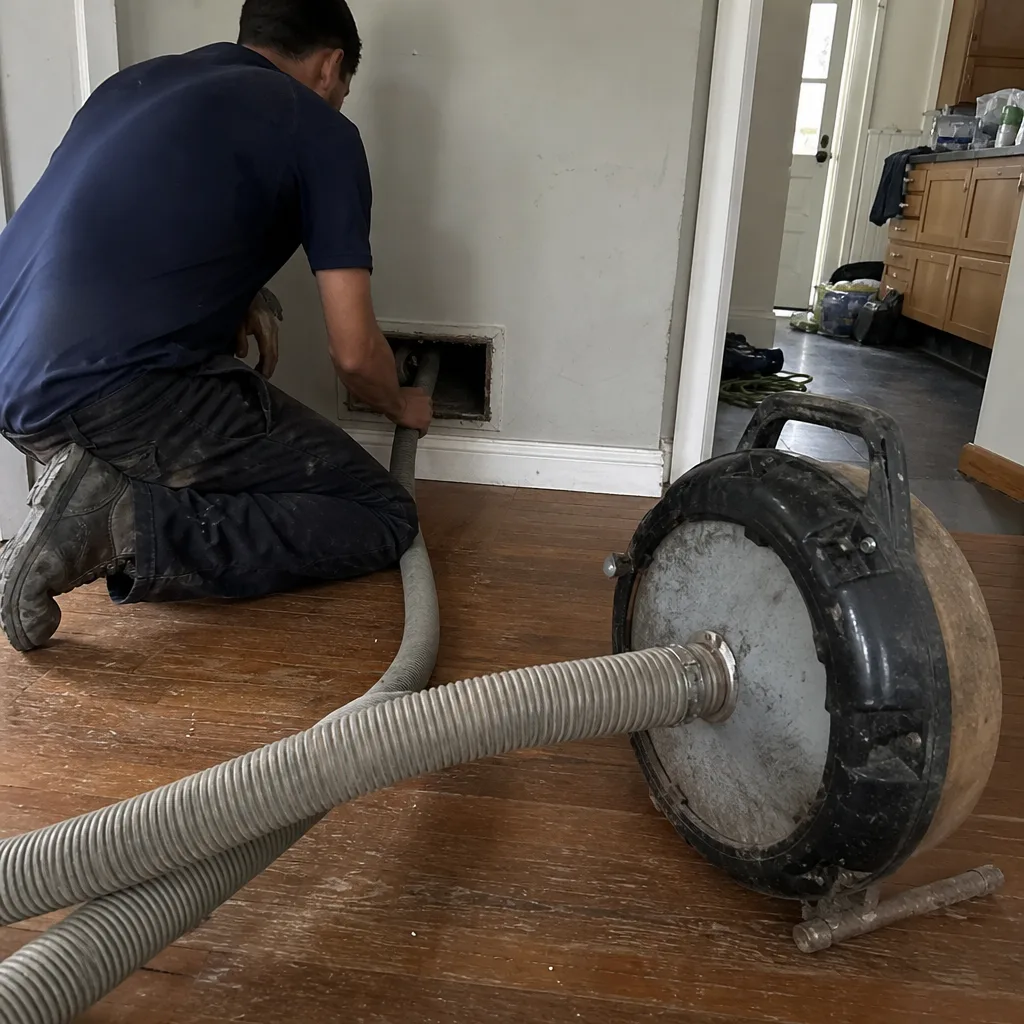 Before
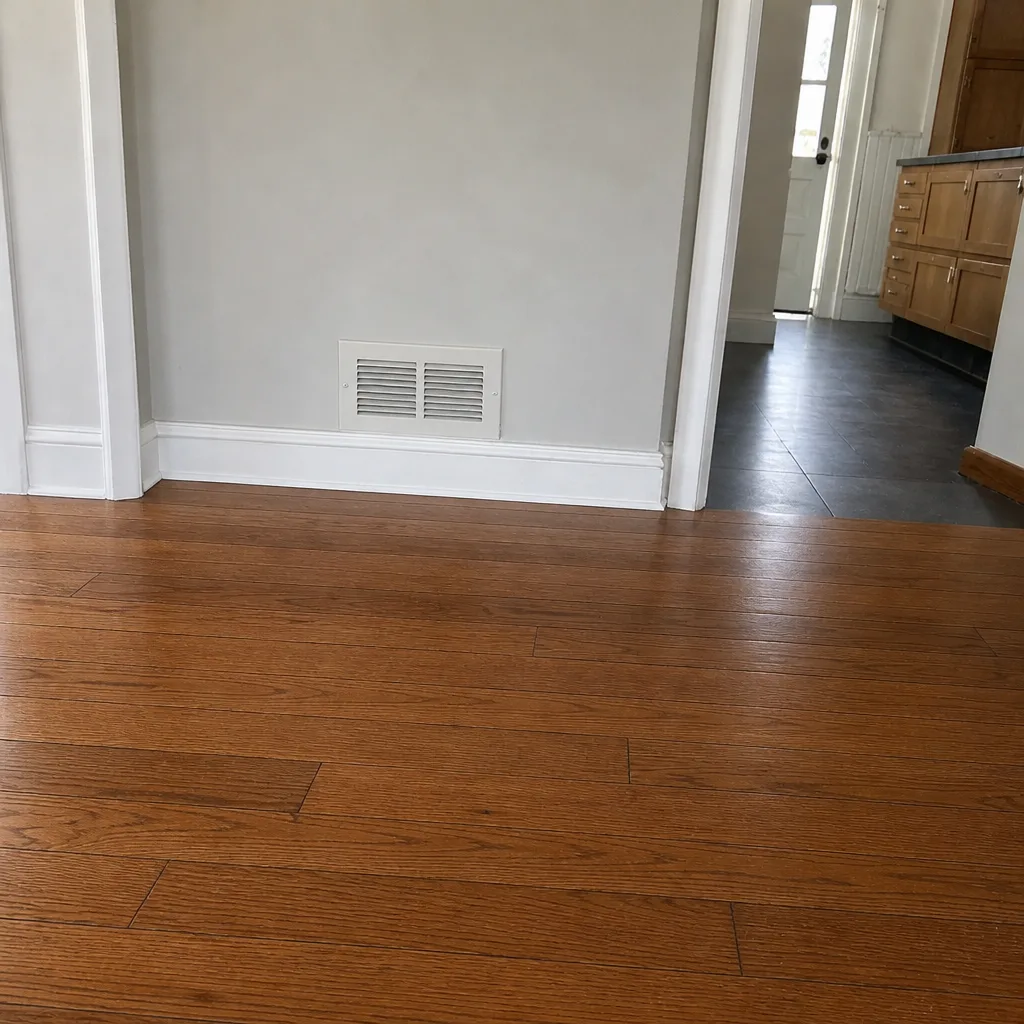 After
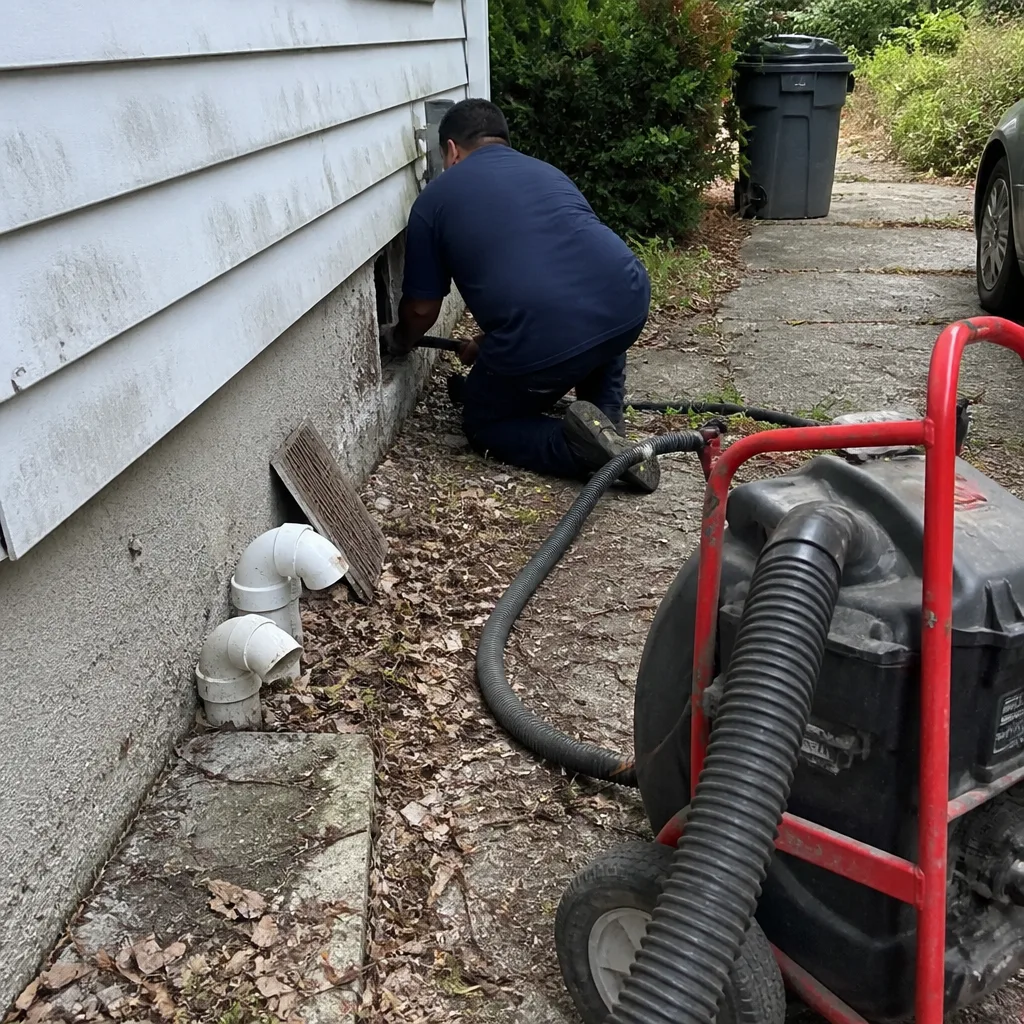 Before
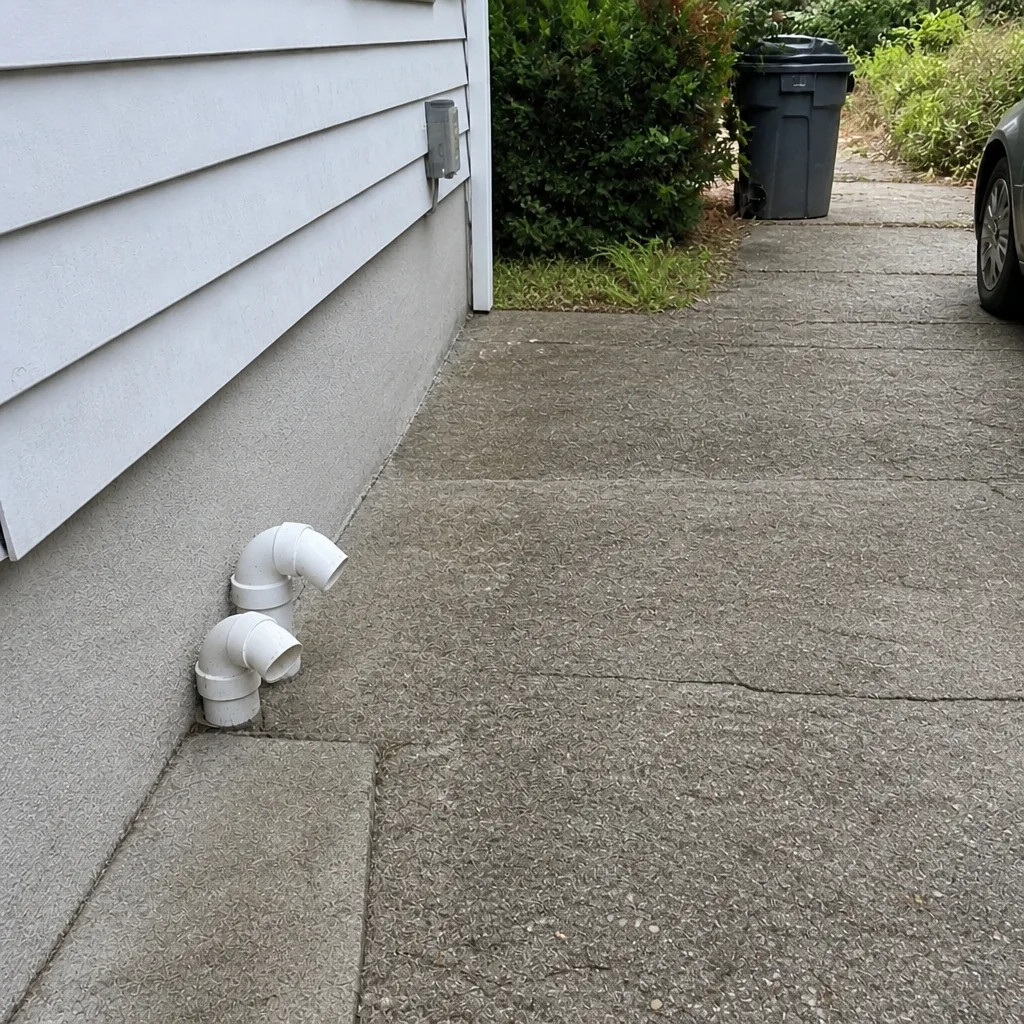 After
 Before
 After
When to Call a Professional
Some checks are homeowner-level; some aren’t. Call a professional when you see visible dust or darkening around supply and return registers, when a musty or damp odor appears at the registers after an hour of running the system, or when a room cools and heats unevenly despite a working unit. Call after a renovation in your unit or a neighboring one, after a moisture event that reached the ducts, or when the system has gone three or more years without service. If a filter change doesn’t clear a persistent dust problem, that’s also a signal the ducts themselves need attention. Air Duct Cleaning Williamsburg offers free estimates in Williamsburg. Call (833) 508-9915. We answer 24/7. Fast dispatch from 7am to 7pm, Sunday through Friday.
Frequently Asked Questions
Most Williamsburg homes do well with a full professional cleaning every one to three years, timed to land before heating or cooling season rather than on a fixed annual date. Homes near active renovation, older buildings with loose envelopes, and households with pets or allergy concerns may need service closer to once a year. Call (833) 508-9915 for an exact quote; estimates are free.
Early fall, just before the first heating run, is the highest-value window because it clears the summer’s accumulated debris before the system pushes it through the house. Spring, before cooling season, is the second-best window. Either works; the point is to clean before the system runs hardest, not after. Call (833) 508-9915 for an exact quote; estimates are free.
A musty smell in summer is a moisture sign, not a dirt sign. Humid air condensing on duct surfaces downstream of a fouled coil creates the damp environment microbial growth needs. Sanitizing after a mechanical cleaning addresses what’s growing; sealing and a coil cleaning address the cause. Call (833) 508-9915 for an exact quote; estimates are free.
Yes, if a unit above or below you was gutted. Construction dust travels through shared chases and returns, so your ducts can carry a load you didn’t generate. Schedule the cleaning after the dust settles, not mid-renovation, and ask for a check of duct joint seals at the same time. Call (833) 508-9915 for an exact quote; estimates are free.
Ask for before-and-after photos of your own ducts and a one-flat-price quotation per system agreed before anyone starts work. A legitimate cleaning includes rotary brushing and negative-air containment, which is visible in the setup. If a company can’t show you the result, that’s the answer. Call (833) 508-9915 for an exact quote; estimates are free.
Yes, we work with renters, owners, and property managers and can coordinate access with building requirements. We answer 24/7. A call outside dispatch hours is booked into the next opening, Sunday through Friday, 7am to 7pm. Call (833) 508-9915 for an exact quote; estimates are free.
The Bottom Line
The right air duct cleaning schedule in Williamsburg is driven by what the system actually goes through, not by a page on a calendar. Summer humidity drives microbial growth, fall heating transition drives the year’s biggest particulate load, winter exposes older buildings’ recirculation patterns, and spring is the window to assess and clean before cooling season starts. Renovation elsewhere in the building overrides all of it. Cleaning before the system runs hardest is the one principle that holds across every season. When you’re ready, one call covers the whole scope.
Call (833) 508-9915 for a free estimate. We answer 24/7. Fast dispatch from 7am to 7pm, Sunday through Friday.
Written by the team at Air Duct Cleaning Williamsburg.