
Last updated November 22, 2026
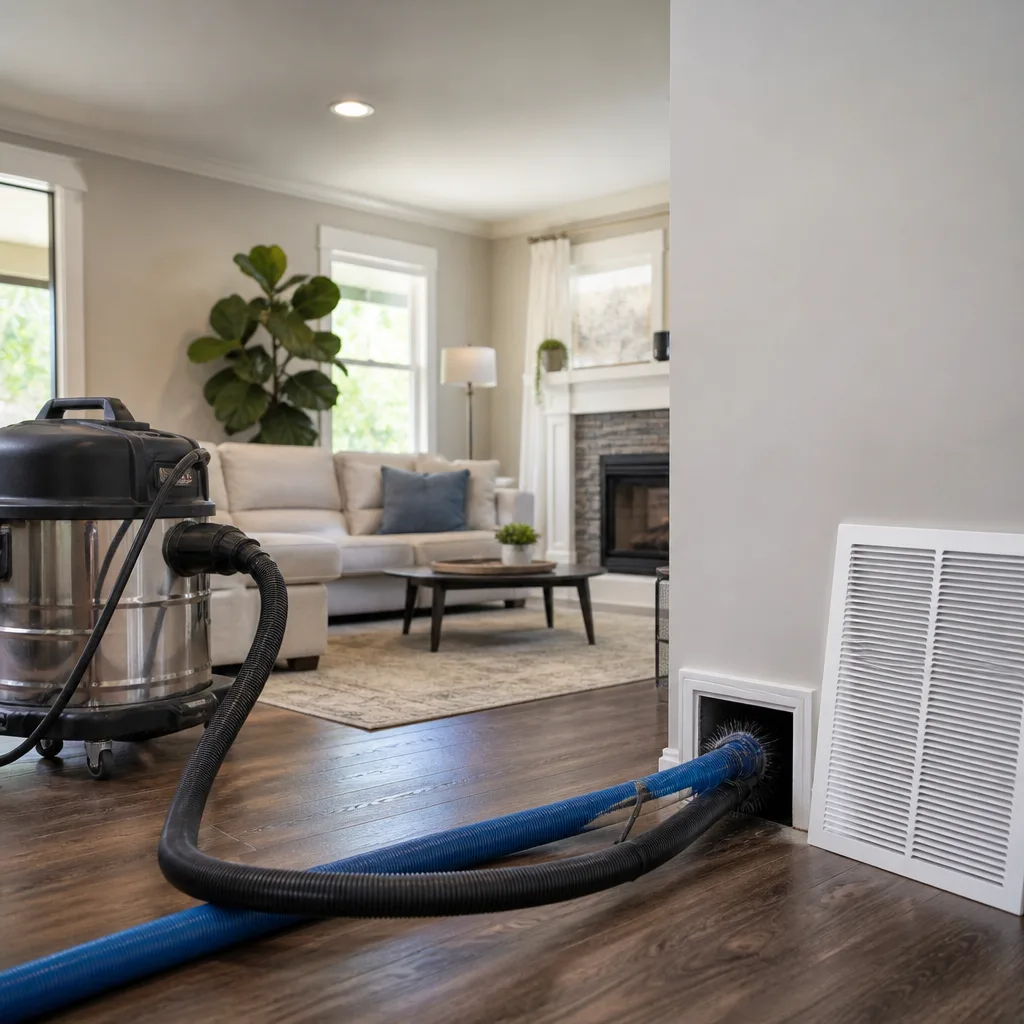 Whole-home duct cleaning
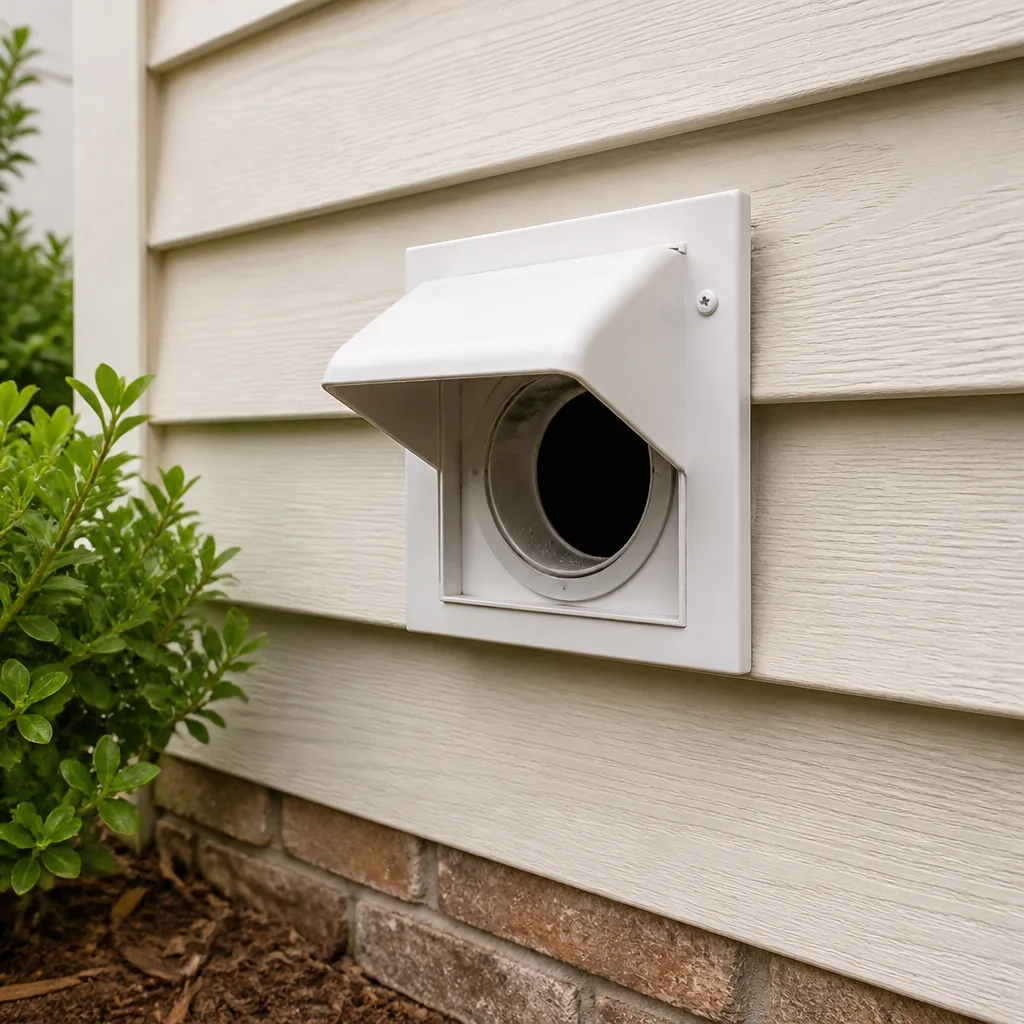 Dryer vent cleaning
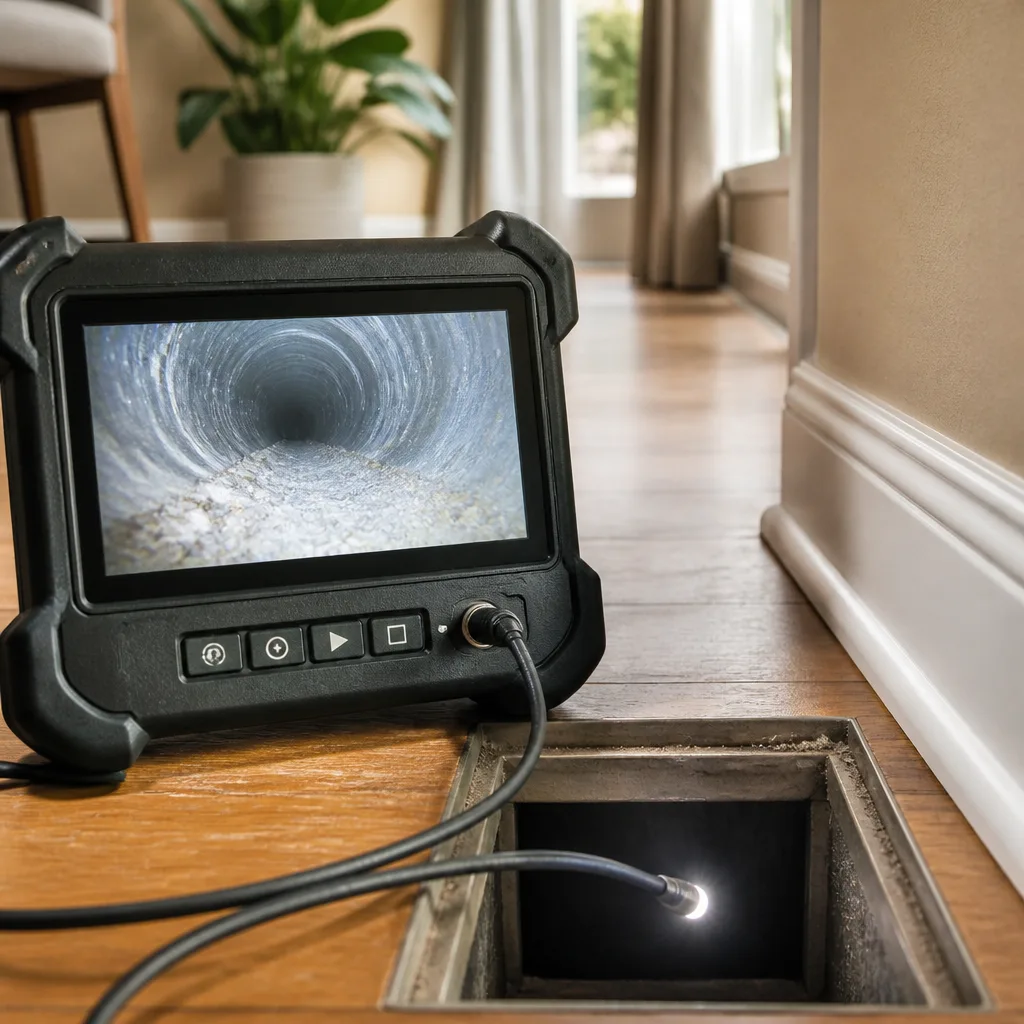 Camera inspection
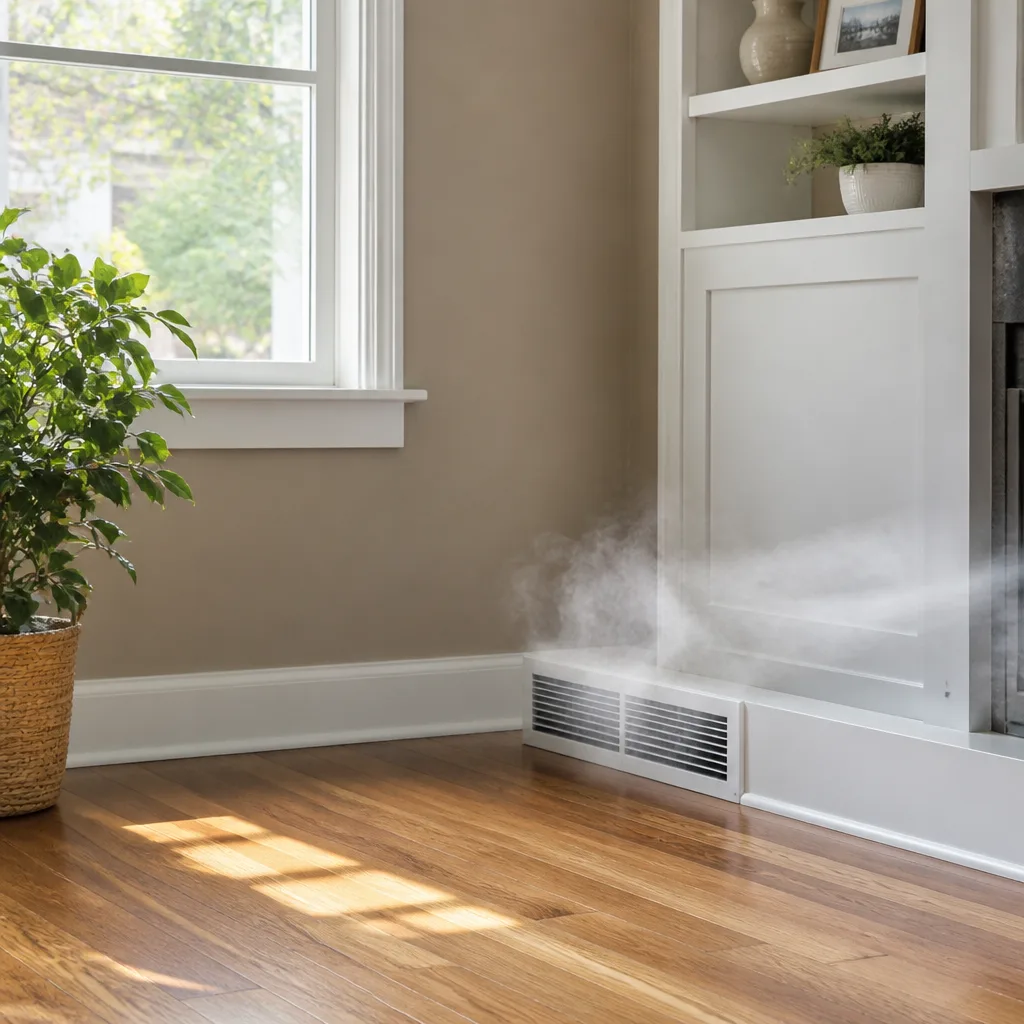 Sanitizing & deodorizing
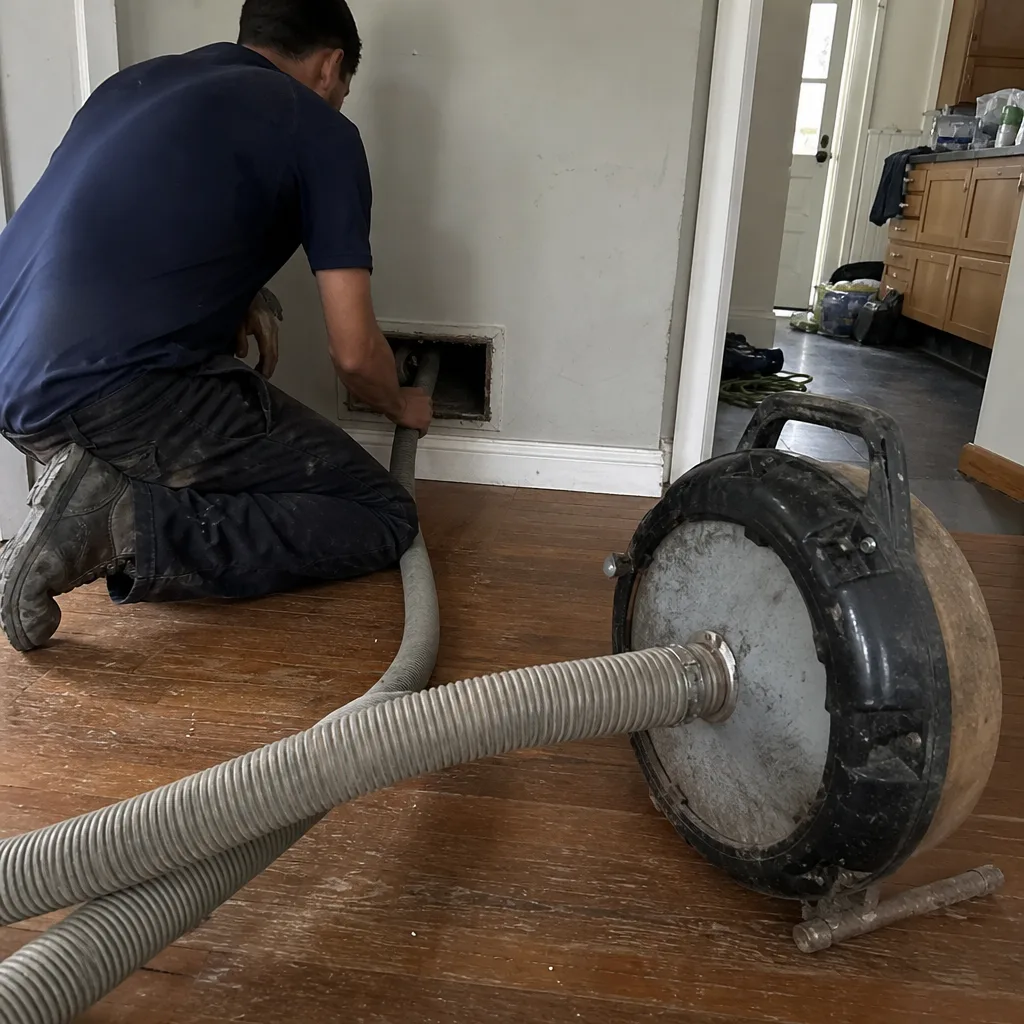
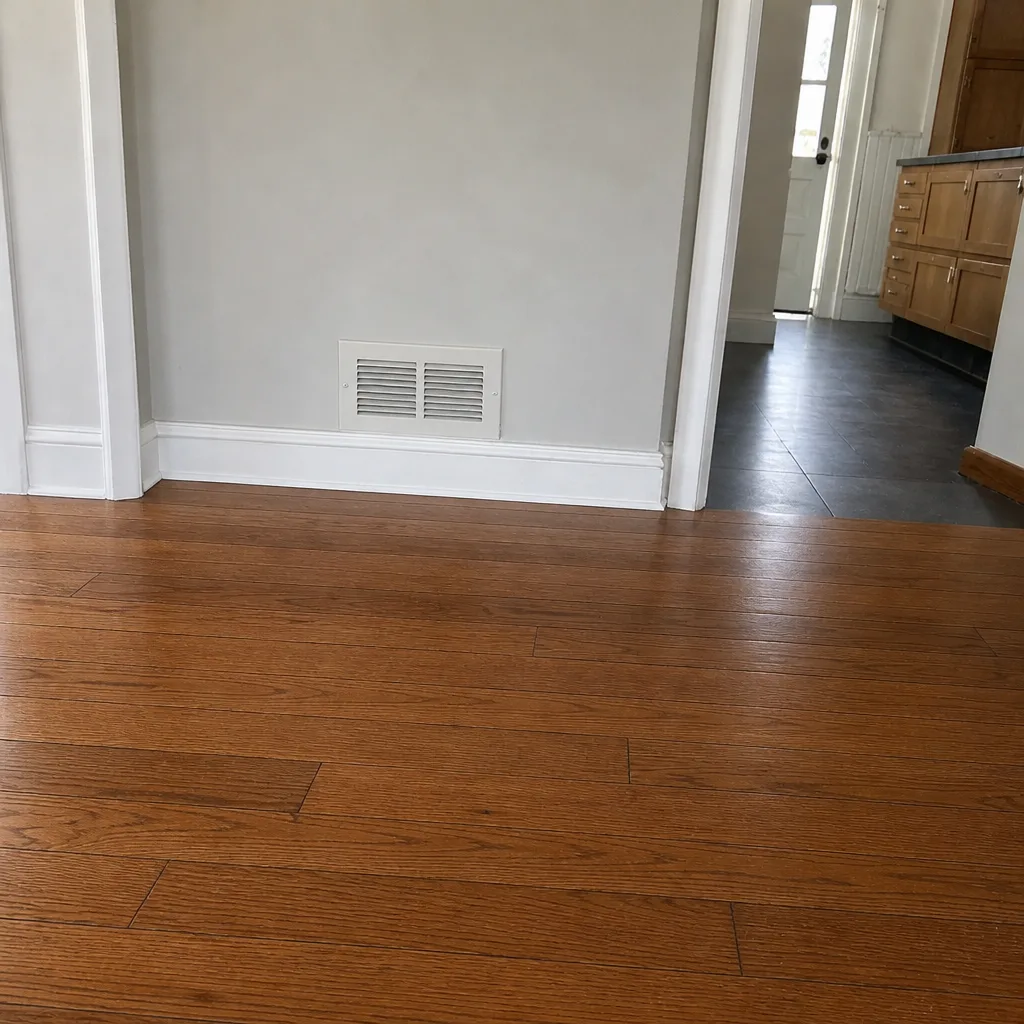
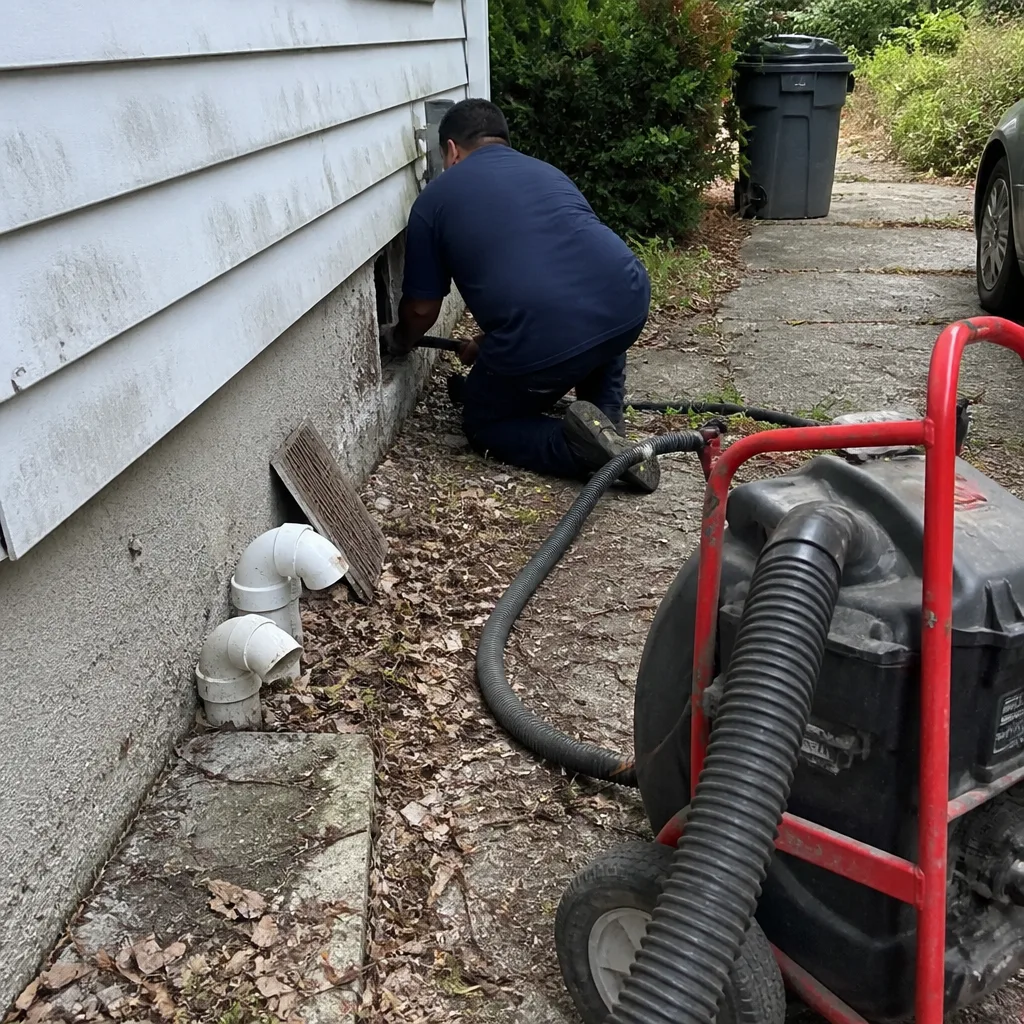
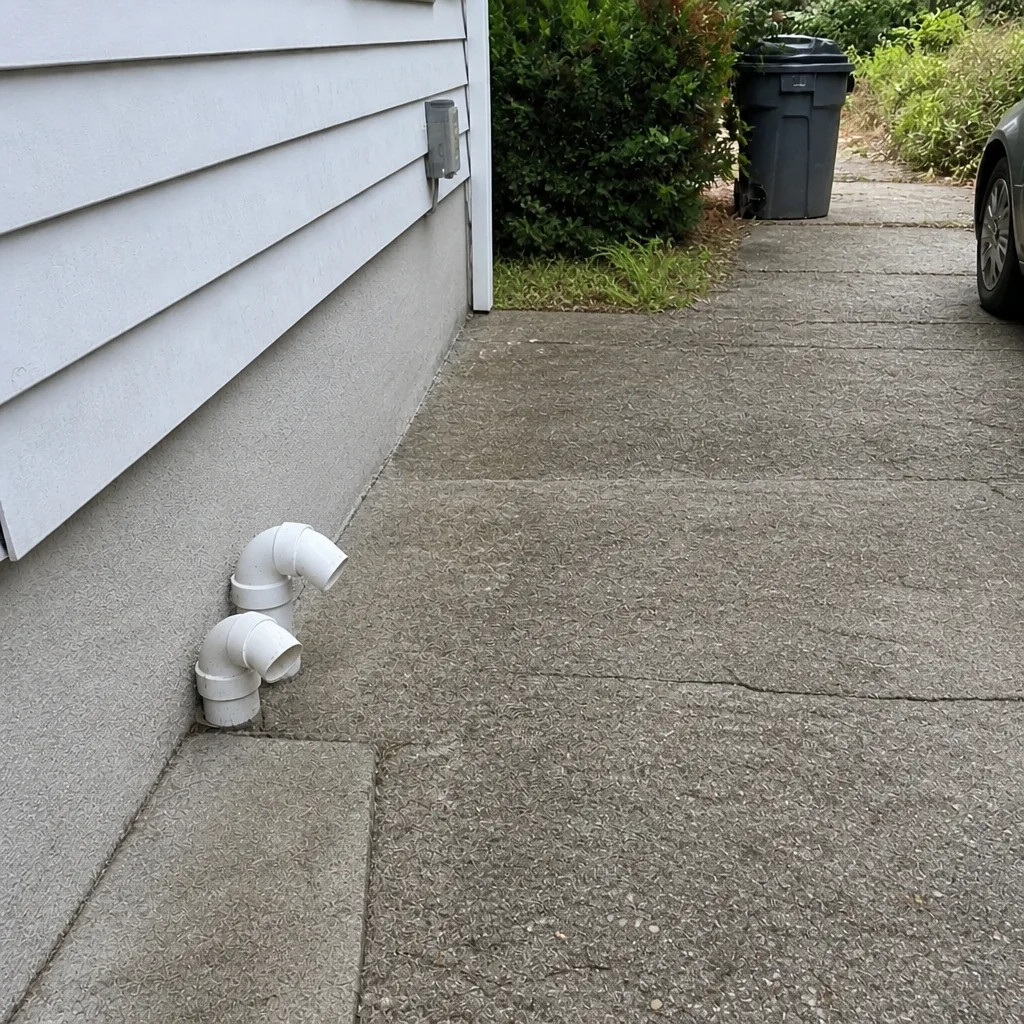
Whole-system duct and dryer vent check with before-and-after photos - you see exactly what came out of your vents
That "$99 whole-house special" is a bait ad - the real number appears once they are in your hallway, or the "clean" is a shop-vac at the register. We photograph the inside of your ducts before and after instead.
DIY vs Professional Air Duct Cleaning: The Williamsburg Homeowner’s Decision Guide
Most homeowners approach this decision as a question of skill. Can I handle a vacuum and a brush, or do I need to pay someone? That framing misses the real obstacle. The limit isn’t your ability – it’s the physics of what a consumer vacuum can pull out of a sealed duct system. A shop vac is a low-static-pressure machine, which is fine for the floor of a garage and useless against a thirty-foot trunk line. We’re writing this guide to Williamsburg homeowners so the choice gets made on equipment capability rather than on price alone. You’ll learn what consumer tools genuinely can do, what they physically cannot, which two jobs are worth doing yourself, and where self-service starts creating risk in older buildings.
Quick Answer
Consumer equipment can clean the first stretch of a supply register and clear a dryer vent, but it cannot generate the negative static pressure needed to extract debris from main trunk lines, return plenums, or coil faces without redistributing dust into your living space. Professional cleaning is the right call for any system that hasn’t been serviced in more than five years, any home with pre-1980 ductwork, and every post-renovation or post-mold-remediation situation. The in-between cases come down to what’s actually reachable from your registers.
Styles & brands we work with
- Whole-home duct cleaning
- Dryer vent cleaning
- Camera inspection
- Sanitizing & deodorizing
Table of Contents
- What DIY Air Duct Cleaning Can Actually Reach
- What Consumer Equipment Physically Cannot Do
- The Two DIY Jobs That Are Genuinely Worth Doing
- Why Williamsburg’s Older Buildings Make Self-Service Riskier
- The Liability Question: Renters vs. Owners
- When Professional Service Is Non-Negotiable
- What Professional Duct Cleaning Actually Involves
- How to Verify the Work Was Done Right
What DIY Air Duct Cleaning Can Actually Reach
Start with an honest map of your system. A typical residential supply branch runs from a register in the floor or wall back to a boot, then into a flex run or a rigid pipe, then joins a trunk line that feeds off the air handler. The register face is at your fingertips. The boot – the angled fitting where the duct meets the floor – is a few inches in. Beyond that, you’re working blind, and that’s the boundary.
From outside the register, you can do three useful things:
- Remove and wash the register grille. These collect a visible film of dust and often pet hair. Dish soap and warm water work fine. Dry them completely before reinstalling so you don’t introduce moisture into the duct.
- Wipe the visible boot interior with a damp cloth on a short handle. This is the section you can actually see, and the section most likely to accumulate debris a homeowner notices.
- Check for obvious obstructions. A dropped toy, a piece of construction debris, or a collapsed flex run near the register is something you can spot with a flashlight and a phone camera.
That’s the honest ceiling. Everything past the boot requires a tool that fits through the run, agitates the surface, and pulls material back against airflow. In our experience in Williamsburg, that’s where the DIY approach stops – and where most of the contamination actually lives. The visible dust on a register is a minor fraction of what’s in the system. The heavier buildup sits on the return side, which nobody sees and nobody thinks to check.
What Consumer Equipment Physically Cannot Do
A shop vac is a high-volume, low-vacuum machine. That’s a design choice – it’s built to move a lot of air at low pressure so it can pick up wet and dry mess from a floor. Duct cleaning needs the opposite: high static pressure in a sealed system so that debris lifted from a duct wall is captured and contained rather than blown into the room.
Here’s what fails specifically:
- No negative pressure envelope. Professional cleaning seals the system and holds it under negative pressure with equipment like a Nikro vacuum unit, so nothing escapes into living space. A shop vac blowing into an open register just agitates dust into the room. The tiny particles, the ones that stay airborne longest, are the ones you can’t see settling.
- No mechanical agitation in the run. A rotary brush system like Rotobrush uses a spinning head on a flexible whip to scrub the full circumference of the duct. A brush on a pole doesn’t reach around the bend. A vacuum hose doesn’t touch the wall.
- No capacity for the main trunk line. Trunk lines are large-diameter and long. They need volume of airflow plus containment. Consumer equipment can’t seal a trunk and can’t sustain the draw.
- No access to the coil face. The evaporator coil sits inside the air handler. Cleaning it safely requires specific equipment and, in most cases, disassembly that homeowners shouldn’t attempt. Dirty coils are where a lot of the “musty smell” complaints originate.
- No filtration of exhausted air. Professional setups use HEPA-grade filtration, like the Abatement Technologies systems remediation contractors rely on. A shop vac’s filter bag doesn’t capture fine particulate.
None of this is a knock on shop vacs. They’re the wrong tool for a job that requires pressure, containment, and mechanical agitation inside a sealed envelope. That’s a physics problem, not a skill problem.
The Two DIY Jobs That Are Genuinely Worth Doing
We’re not going to tell you everything requires a professional. Two maintenance tasks are within reach for a careful homeowner, and doing them well extends the interval between full cleanings.
1. Register and Boot Cleaning
- Turn off the HVAC system at the thermostat so the blower doesn’t run while you work.
- Remove the register grille. Most are held by two screws or a friction fit.
- Wash the grille in warm soapy water and let it dry completely.
- Wipe the visible boot interior with a damp cloth or a microfiber pad on a short handle. Don’t push anything loose into the run.
- Reinstall only after the grille is fully dry.
- Note any register that shows heavy dark staining or moisture – that’s information for a professional.
2. Dryer Vent Clearing
The dryer vent is the one duct you should clear regularly, and it’s genuinely a homeowner task in many homes. Lint accumulation is a fire risk, and it builds fast. But the process matters:
- Unplug the dryer and pull it away from the wall.
- Disconnect the vent hose from the back of the dryer and from the wall.
- Clean the lint trap housing and the short hose with a vacuum and a vent brush.
- Run a vent brush through the wall duct as far as it will go, working from both ends if the outside termination is accessible.
- Check the exterior flap – it should open freely when the dryer runs and close when it stops.
- Reconnect, push the dryer back, and confirm airflow at the exterior termination.
If the run is long, has multiple elbows, or terminates on a roof, that’s the point where a professional dryer vent cleaning makes more sense than a homeowner reaching the limit of a brush kit. Roof terminations are a fall hazard and should not be attempted from a ladder by anyone without the right equipment and experience.
Why Williamsburg’s Older Buildings Make Self-Service Riskier
Williamsburg has a lot of pre-1980 housing stock, and that changes the risk calculation. Duct systems from that era were built differently – rigid galvanized trunk lines, taped or mastic-sealed joints, and in some cases insulation products that have since been identified as hazardous when disturbed. If you don’t know what’s inside your ducts, agitating them from a register with a shop vac is a bad first move.
Three specific concerns come up again and again:
- Brittle joints and tape. Old duct tape embrittles and fails. A homeowner running a brush past a joint can open a leak that was sealed, and the leak undermines system efficiency and pulls attic or crawlspace air into the supply. Repairing and resealing is a real part of this trade – it’s why we offer HVAC cleaning alongside duct repair rather than treating them as separate jobs.
- Asbestos-era insulation. Some duct wrap and some older return plenum insulation contain materials you don’t want airborne. A professional inspection identifies whether insulation is intact before any cleaning starts. A homeowner working blind cannot make that call.
- Inaccessible chases. Many Williamsburg homes have ducts running through sealed chases, knee walls, or soffits with no access panel. Cleaning those requires cutting access, which is a repair job in itself. Consumer equipment simply doesn’t apply.
Add the local climate to the picture. Williamsburg sees humid summers and cold winters, which means the system cycles between heating and cooling modes with significant condensation at the coil. That moisture feeds microbial growth on the coil face and in the plenum where the system transitions. You can’t reach that with a shop vac, and it’s the most common source of the musty smell homeowners call about. A proper air duct cleaning visit addresses it because the coil gets cleaned as part of the system, not skipped.
The Liability Question: Renters vs. Owners
If you own the home, the ducts are yours to maintain, and the decision is straightforward: DIY where it’s safe, professional where it isn’t. If you rent, especially in a multi-unit building in Williamsburg, the math changes – the HVAC system may be shared, and any change you make to it affects neighbors and your landlord’s property.
Specific scenarios renters should think through before picking up a tool:
- Shared trunk lines. In some multi-unit buildings, individual units have supply branches but share a return path. Anything you disturb in your registers can migrate into a neighbor’s space.
- Building-owned equipment. If the air handler serves multiple units or is owned by the building, cleaning it or altering it without permission can be a lease violation and can affect the building’s maintenance records.
- Dust redistribution as a nuisance claim. If a neighbor’s unit fills with dust after you run a shop vac through a shared register, you can end up responsible for cleaning costs. Not a common outcome, but not an imaginary one either.
Owners in single-family homes on the older streets around Williamsburg have the freedom to do the register cleaning and dryer vent work described above. Where the system is shared, ask the building’s maintenance contact first and let a professional handle anything past the register face.
When Professional Service Is Non-Negotiable
There are situations where the DIY question is off the table entirely. Not because of skill, but because the contamination is beyond what a homeowner can safely or effectively manage.
- Post-mold-remediation. After a mold remediation contractor has finished, the HVAC system has to be cleaned and sanitized to a standard that verifies the contamination is gone. This is not a shop vac job. Remediation-level filtration, like Abatement Technologies equipment, is the standard, plus sanitizing products used properly. Guardsman-grade products are part of how we handle that step.
- Post-renovation dust. Drywall dust is fine enough to travel through the entire system and coat the coil. A renovation pulls tons of it into returns. If you’ve just remodeled, the system needs professional attention before you run it as normal.
- Any system not serviced in more than five years. At that point, the accumulation in the main trunk and plenum is significant enough that consumer equipment can’t touch it. Attempting it with a shop vac redistributes more than it removes.
- Persistent musty odor or visible mold at a register. That’s a signal, not a problem you solve with a spray product.
- Recent illness in the household tied to indoor air. Where air quality is the concern, the work needs to be verifiable rather than approximate.
Our technicians have up to 13 years of experience, and those calls are typically the ones where we find something the homeowner couldn’t have seen. A visual inspection before cleaning is part of every job we do. If you’re in one of those situations, a professional assessment comes first. Call (833) 508-9915 for a free estimate. We answer 24/7. Fast dispatch from 7am to 7pm, Sunday through Friday.
What Professional Duct Cleaning Actually Involves
The word “professional” gets used loosely. Here’s what it should mean in practice, so you can compare any quote against it.
A full-service job on a Williamsburg home looks like this:
- Inspection first. The technician maps the system, identifies access points, checks for damaged joints, and confirms whether insulation is intact before any work begins. Any quote without an inspection is a guess.
- Sealing and negative pressure. The system is sealed at registers and connected to a Nikro vacuum unit to hold the ducts under negative pressure. This is what prevents dust redistribution into the living space.
- Mechanical agitation. A Rotobrush rotary brush runs through each branch and trunk line, scrubbing the full circumference. Air alone doesn’t remove adhered debris; the brush does.
- Air handler and coil cleaning. The blower, coil face, and plenum get cleaned as part of the system. Skipping this leaves the main source of odor and microbial growth untouched.
- Repair and sealing. Leaks found during inspection get sealed. Most standalone cleaning services don’t do this, and it’s why systems re-contaminate quickly.
- Sanitizing and filtration upgrades. After mechanical cleaning, sanitizing addresses microbial growth and odor. Filtration upgrades from Honeywell and Aprilaire can be recommended at that point, since the system is clean and the effect of better filtration is measurable.
- Verification. Before-and-after photos of your actual ducts, plus a walkthrough so you see what came out and what was done.
This is what you’re paying for. A single-step vacuuming visit doesn’t include most of it, and the difference shows up in how quickly the system needs attention again. Our air duct cleaning Williamsburg page walks through what a full visit includes for local homes.
How to Verify the Work Was Done Right
This is the question every homeowner should ask before hiring anyone, and it’s the one that separates a real service from a sales visit. Verification is simple if the company is set up for it.
- Ask for before-and-after photos of your own system. Not stock photos. Your registers, your trunk line, your coil. A technician with nothing to hide will document the work as a matter of routine.
- Confirm one price per system, agreed before work starts. Per-vent pricing is where the bait-and-switch reputation of this industry comes from. The cost should be one flat number for the whole system, agreed in writing, and the estimate sets the final amount.
- Ask what equipment will be used. If the answer is a shop vac, that’s a different service than what you’re paying for. Rotobrush and Nikro are the named, professional-grade systems; a portable vacuum isn’t in that category.
- Confirm what’s covered. Cleaning alone, or cleaning plus inspection, repair, sanitizing, and filtration options? One visit should cover the whole system, from the dryer vent through the main trunk lines.
- Ask about the coil. If the coil isn’t part of the quote, the job is incomplete.
If a quote comes in far below another, ask what’s excluded. Usually the answer explains the price difference immediately.
Common Mistakes to Avoid
- Running a shop vac into the main trunk line. It agitates more than it extracts, and it pushes fine dust into the living space. The fine particles are the health-relevant portion – that’s the ones you want contained, not spread.
- Disturbing old duct tape without inspecting first. Williamsburg’s older homes often have taped joints that have started to fail. A brush or hose pushed past a compromised joint opens a leak that wasn’t there before.
- Cleaning one room’s duct and calling the system clean. Contamination migrates between branches. A single-branch cleaning leaves the return and plenum untouched, so the system re-contaminates the cleaned branch within weeks.
- Accepting per-vent pricing. A per-vent quote is a setup for a higher invoice once the technician is on site. One flat price per system, before work starts, is the standard to insist on.
- Skipping the coil. The coil face is where mold and odor originate. Cleaning ducts without cleaning the coil is a partial job.
- Ignoring the dryer vent. It’s the one duct with a real fire risk when neglected, and it’s often the easiest to maintain correctly.
- Assuming no service means no problem. A system that’s never been cleaned doesn’t show obvious symptoms until the coil is fouled or the return is clogged. Absence of complaint isn’t the same as clean.
See the difference
 Before
 After
 Before
 After
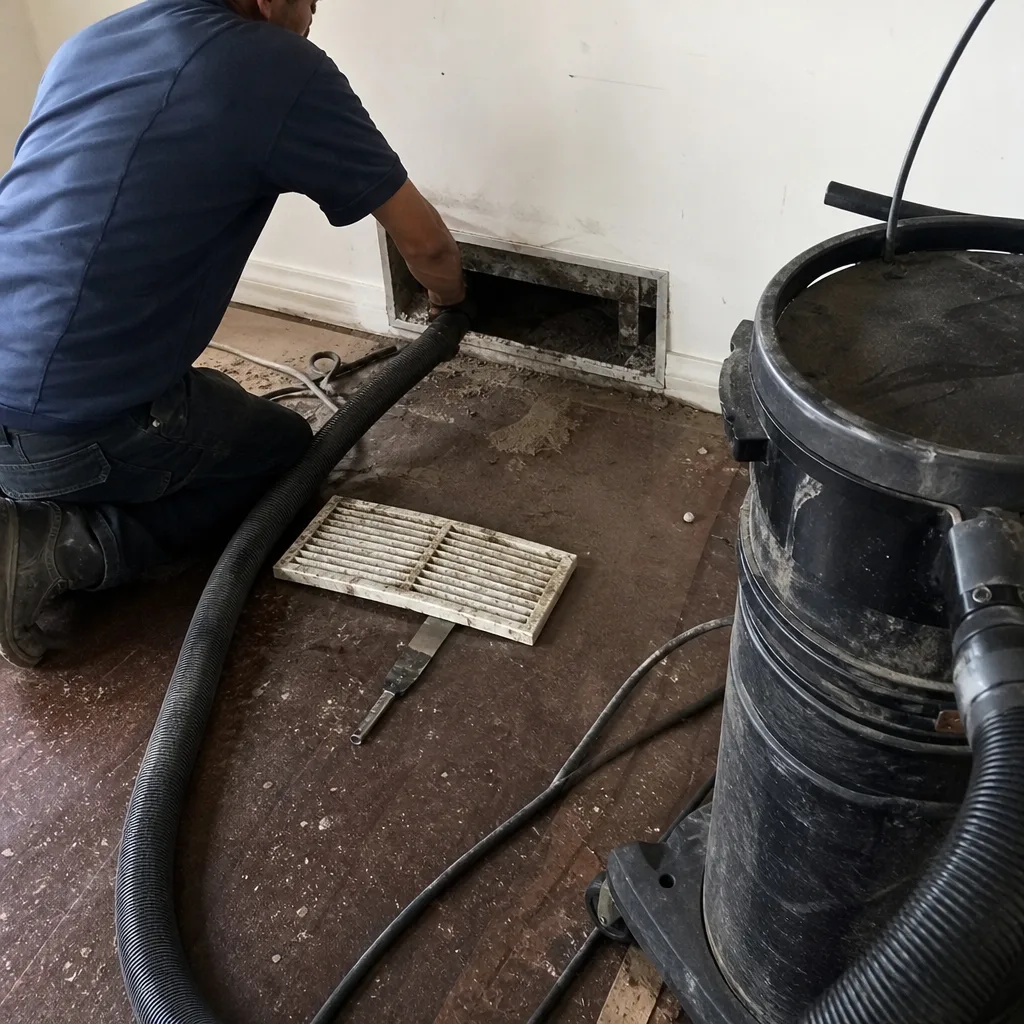 Before
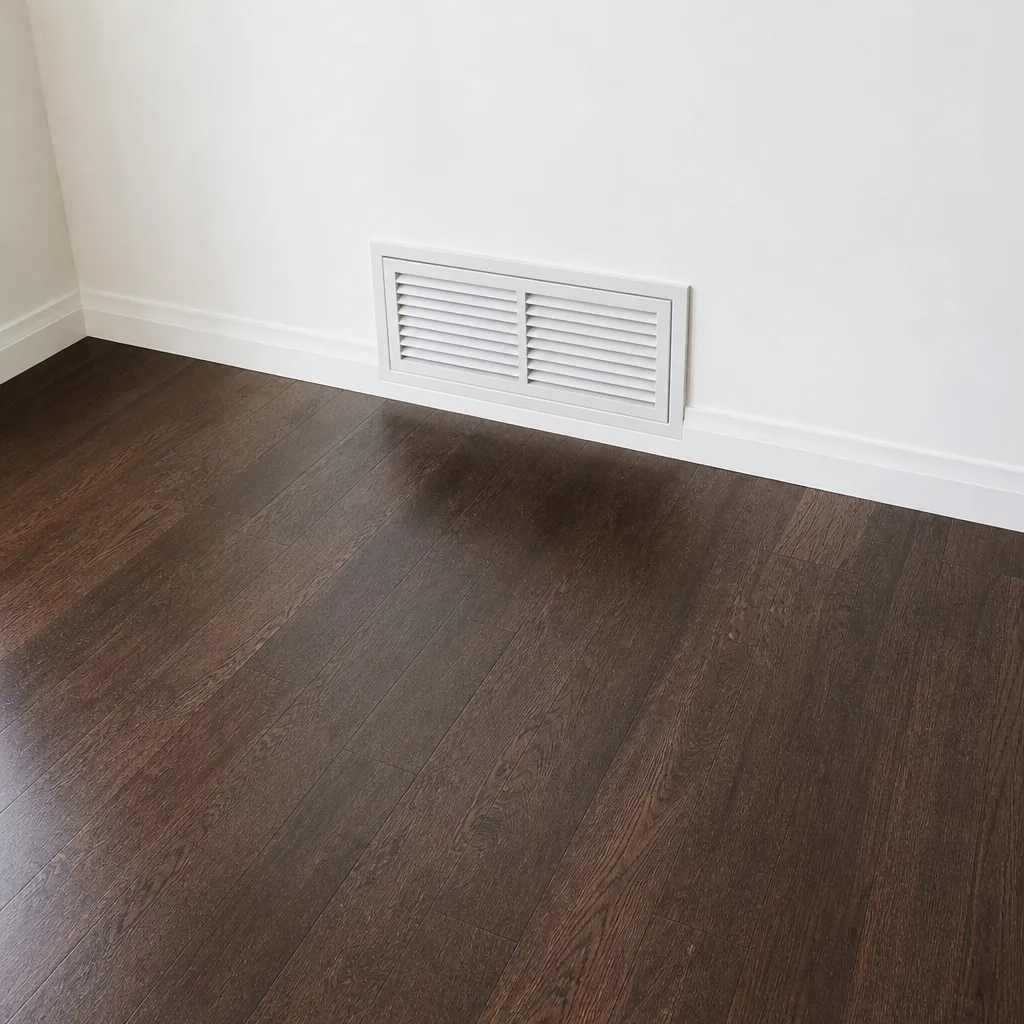 After
When to Call a Professional
The call is straightforward for post-renovation or post-remediation homes, for any system that hasn’t been touched in more than five years, and for anyone in a Williamsburg multi-unit building where the system is shared. It’s also the right call if you can see mold at a register, notice a persistent musty smell that returns after cleaning, or have noticed reduced airflow that a filter change didn’t fix. Those signs usually mean the plenum, the coil, or the trunk line is the issue, and none of those are reachable with consumer equipment. Register cleaning and dryer vent maintenance are worth doing yourself; everything past that is a job for a technician with a Rotobrush and a real vacuum unit. Air Duct Cleaning Williamsburg offers free estimates in Williamsburg. Call (833) 508-9915 for an exact quote.
Frequently Asked Questions
You can clean the register grilles and the visible section of the boot with a shop vac, but you cannot clean the main trunk line, the return plenum, or the coil. Those areas need negative pressure and mechanical agitation to remove debris without redistributing it into your home. The first eighteen inches of a supply duct are within reach; the rest of the system is not. Call (833) 508-9915 for an exact quote – estimates are free.
Pricing is per system, not per vent, and it’s set by a written estimate after an inspection so the number reflects the actual size and condition of your system. We don’t quote per-vent prices or teaser coupons, because that’s how the bait-and-switch problem in this industry starts. The estimate you get before work begins is the price you pay. Call (833) 508-9915 for an exact quote – estimates are free.
Usually the cheaper quote is for a single-step vacuuming visit, not a full system clean. That means no rotary brush agitation, no coil cleaning, no repair and sealing, and often no before-and-after documentation. The difference in price reflects a difference in scope, and it shows up in how quickly the system needs cleaning again. Ask any company what equipment they use and whether the coil is included. Call (833) 508-9915 for an exact quote – estimates are free.
Before-and-after photos of your own ducts, taken during the visit, plus a walkthrough at the end. That’s the standard we work to, and it’s the standard to ask for from anyone. A company that documents the work as a matter of routine is a company that has nothing to hide. Call (833) 508-9915 for an exact quote – estimates are free.
Every three to five years for a typical home, and less often if you change filters regularly and don’t have pets or recent renovations. Homes with persistent moisture, allergy concerns, or a recent renovation should be cleaned sooner. The five-year mark is also when accumulation in the main trunk line becomes significant enough that consumer equipment can’t address it. Call (833) 508-9915 for an exact quote – estimates are free.
Yes, and it should be treated as a professional job, not a DIY one. Drywall dust and mold spores travel through the entire system and settle in the coil and plenum, which is beyond the reach of consumer equipment. Remediation-level filtration and a full system clean, including sanitizing, are the standard for those jobs. Our technicians have up to 13 years of experience and start with a full inspection. Call (833) 508-9915 for an exact quote – estimates are free.
The Bottom Line
The DIY vs. professional decision for duct cleaning comes down to equipment capability, not skill. Consumer tools clean registers and clear dryer vents well, and those two tasks are worth doing yourself in any Williamsburg home. But the main trunk line, return plenum, and coil face are physically beyond a shop vac’s reach, and the systems most likely to need real cleaning – older homes, post-renovation, post-remediation, or anything untouched for more than five years – are exactly the ones where consumer equipment fails hardest. When the system is shared or the contamination is significant, professional service is the answer. When it isn’t, register cleaning and dryer vent maintenance are yours to own.
Call (833) 508-9915 for a free estimate. We answer 24/7. Fast dispatch from 7am to 7pm, Sunday through Friday. We’re closed Saturday. Our technicians have up to 13 years of experience and work with Rotobrush, Nikro, and Abatement Technologies equipment to clean, repair, seal, and verify – not just vacuum.
Written by the team at Air Duct Cleaning Williamsburg.