
Last updated November 22, 2026
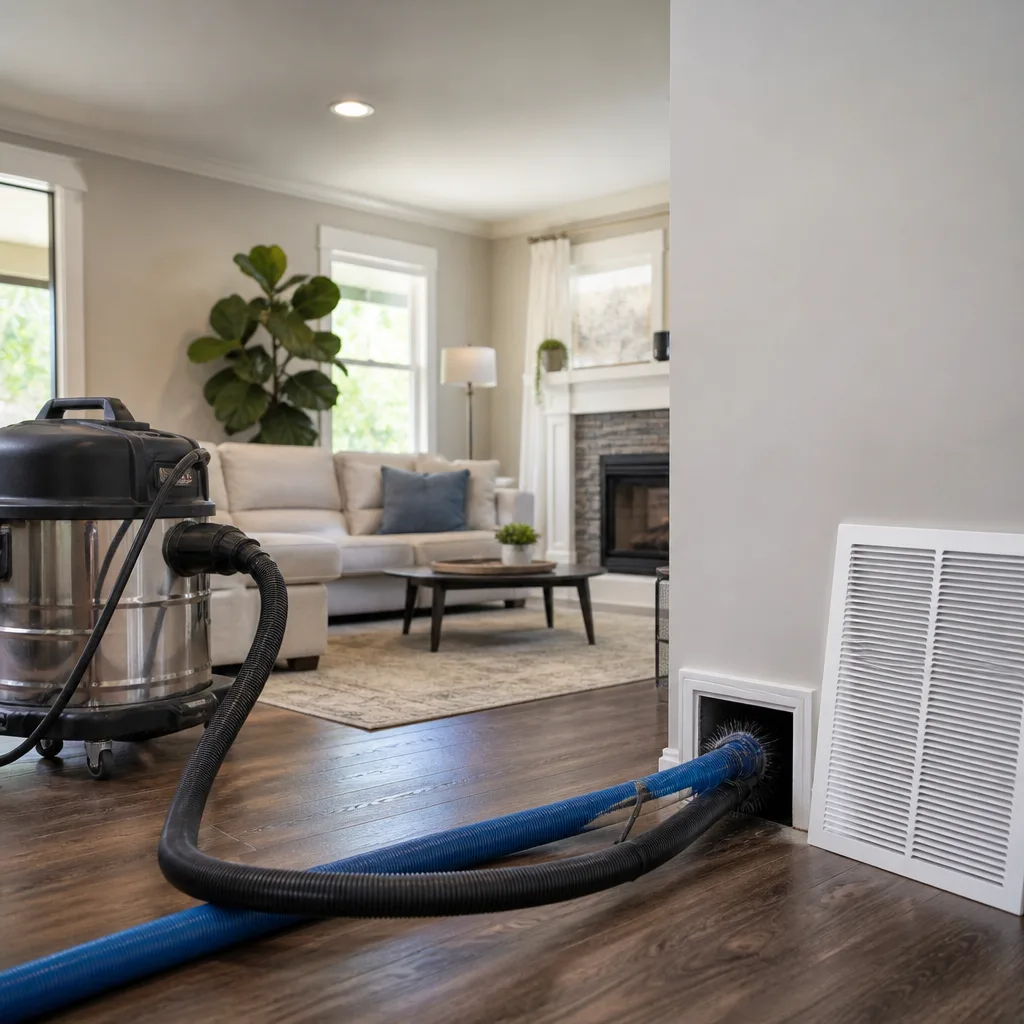 Whole-home duct cleaning
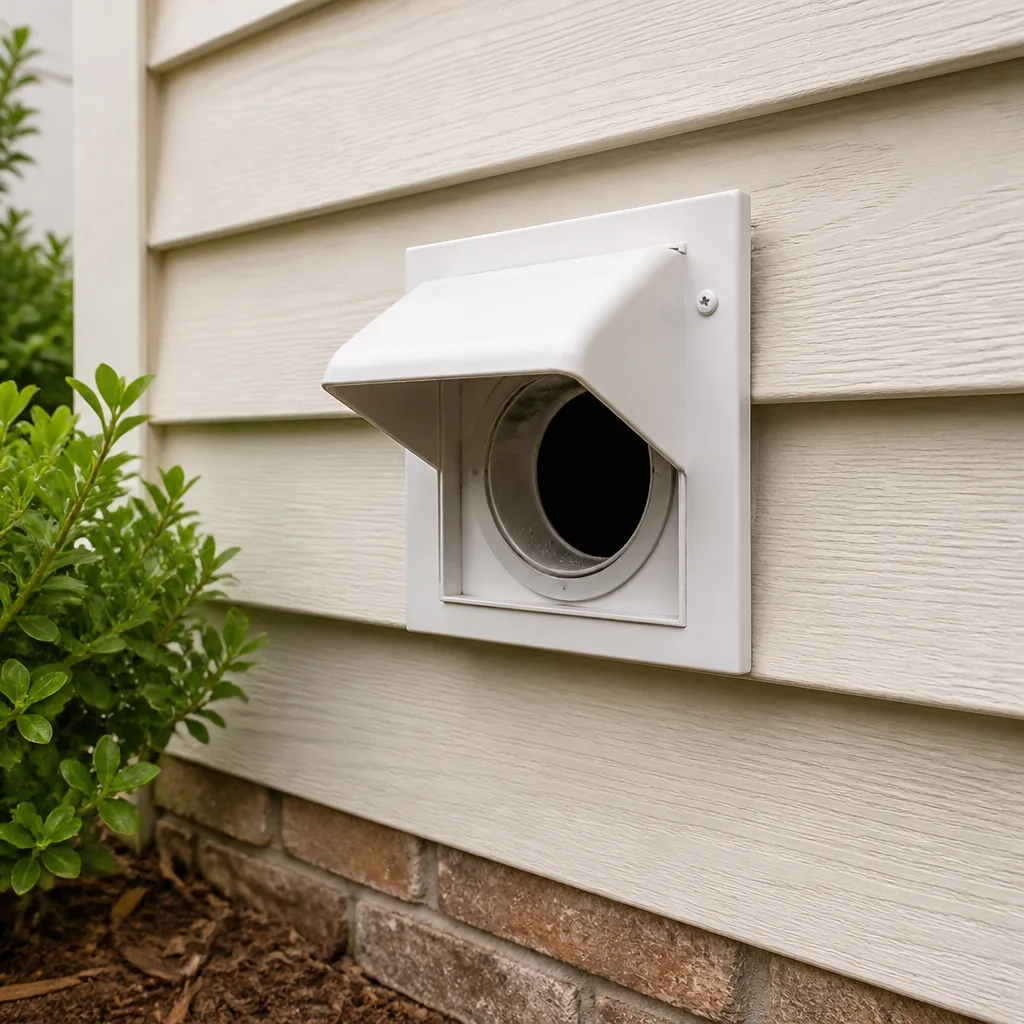 Dryer vent cleaning
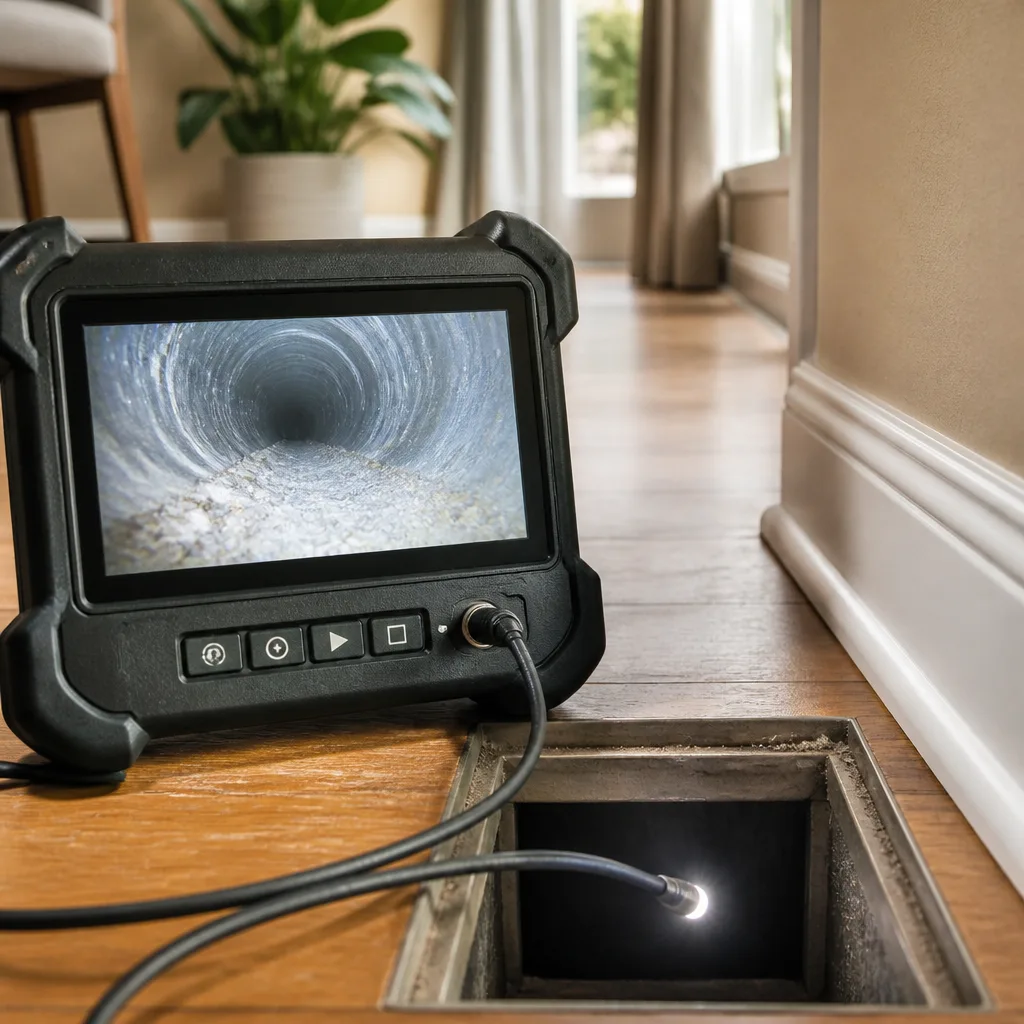 Camera inspection
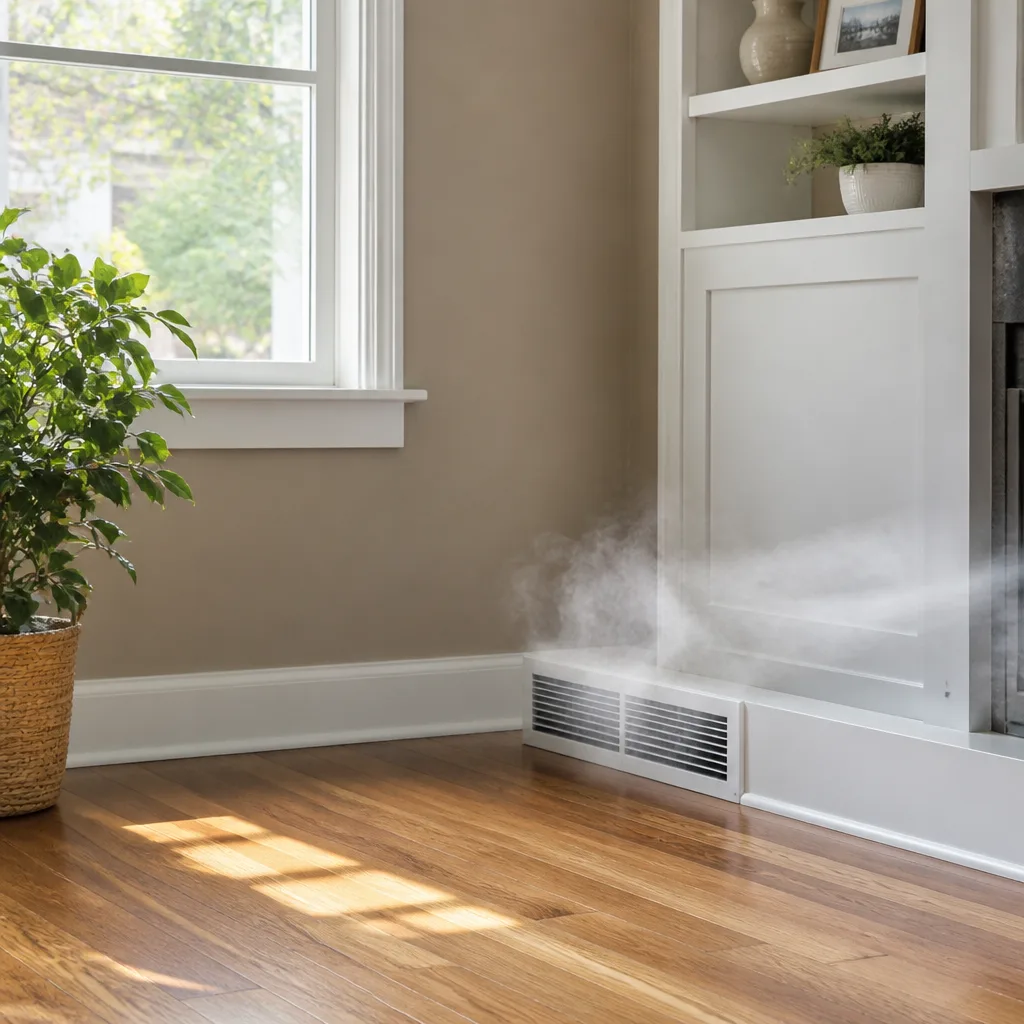 Sanitizing & deodorizing
Whole-system duct and dryer vent check with before-and-after photos - you see exactly what came out of your vents
That "$99 whole-house special" is a bait ad - the real number appears once they are in your hallway, or the "clean" is a shop-vac at the register. We photograph the inside of your ducts before and after instead.
How to Hire an Air Duct Cleaning Contractor in Williamsburg: A Step-by-Step Guide
In New York State, anyone with a van and a shop vac can legally advertise as an air duct cleaning company. That’s the uncomfortable truth behind a lot of the low bids you’ll see around Williamsburg. There’s no mandatory state license for duct cleaning, so the piece of paper on the wall tells you far less than the answers you get when you ask what equipment they’ll use and how they’ll verify the work. The screening process you run before you book matters more than the price you’re quoted, because the price is easy to fake and the process is not. This guide walks you through the exact questions, documents, and red flags to check, so you can tell a legitimate contractor from a vacuum crew before anyone knocks on your door.
Quick Answer
To hire an air duct cleaning contractor in Williamsburg, ask three equipment questions before booking (vacuum strength, filtration standard, and agitation method), request a written scope of work with line items, verify general liability and workers’ comp insurance directly with the insurer, and confirm there’s a post-job inspection step. A legitimate contractor answers all of this without hesitation and puts the price in writing before work starts. A low-bid crew usually can’t or won’t.
Styles & brands we work with
- Whole-home duct cleaning
- Dryer vent cleaning
- Camera inspection
- Sanitizing & deodorizing
Table of Contents
- Why There’s No License Requirement, and What to Check Instead
- The Three Equipment Questions Every Contractor Must Answer
- What NADCA Membership and the ACR Standard Actually Mean
- Red Flags Specific to NYC Duct Cleaning
- How to Verify Insurance for Williamsburg Work
- What a Legitimate Written Estimate Includes
- What a Proper Cleaning Visit Looks Like, Step by Step
- Neighborhood and Building Considerations in Williamsburg
Why There’s No License Requirement, and What to Check Instead
New York State does not issue a license for air duct cleaning. That surprises most homeowners, who assume a regulated trade sits behind the ads. The work falls outside the trades the state licenses, so a contractor doesn’t need a state credential to sweep your ducts. That single fact explains a lot about the market in Williamsburg, where a wide range of operators bid for the same job.
With no license to check, the burden shifts to you. What you screen for instead is evidence of a real operation:
- Insurance you verify independently – not a certificate emailed as a PDF and taken at face value.
- Named equipment – a contractor who cleans professionally can tell you the brand and model of the machine that will run in your home.
- A written scope of work – specific enough to compare against another bid line by line.
- A post-job inspection protocol – a defined way to show you the condition of the ducts after cleaning, not just before.
A real contractor treats these questions as normal. When we quote a job, we name the equipment before we’re asked, because a homeowner comparing bids deserves to compare the same thing. If someone fumbles the equipment question or redirects to price, that’s your answer. Price is the easiest thing for an operator to fake, and the hardest thing for a company with real gear and real insurance to match at the bottom of the market.
The Three Equipment Questions Every Contractor Must Answer
Equipment separates a professional cleaning from a cosmetic pass over the registers. Ask these three questions on the phone, before you book. A contractor who cleans properly answers all three in plain terms.
1. What vacuum strength, in CFM, will the machine pull?
CFM is cubic feet per minute, the measure of how much air the vacuum moves. A standard service vacuum needs real pulling power to lift loose debris out of a long trunk run rather than just stir it. If the answer is “a powerful shop vac,” you’re talking to a crew, not a duct cleaner. Consumer vacuums lack the airflow and the filtration to protect your indoor air during the job.
2. What’s the filtration standard – HEPA or standard?
Filtration decides what happens to the fine dust the vacuum disturbs. A machine with poor filtration can exhaust particles back into the room while it “cleans.” Ask directly whether the vacuum uses HEPA filtration and whether negative air pressure is maintained during service. Negative air keeps dust moving toward the machine and out of your living space instead of settling on your furniture. We run Nikro negative-air equipment alongside the cleaning tools so the air in the room stays outside the work zone, not in it.
3. How do you agitate the dust that’s stuck to the duct walls?
Suction alone won’t lift caked-on dust and debris. You need a mechanical brush or a compressed-air whip that scours the duct surface while the vacuum carries material away. The rotary brush has become the standard for a reason: it reaches the full circumference of the duct. We use the Rotobrush rotary brush system for exactly that reason, and we’ll tell you so before you book.
Those three answers – CFM, filtration, agitation – tell you more about the job you’re buying than any price quote. Get them in writing if you can.
What NADCA Membership and the ACR Standard Actually Mean
The National Air Duct Cleaners Association (NADCA) publishes a standard called ACR, the Assessment, Cleaning, and Restoration standard for HVAC systems. Membership is voluntary. No law requires it. That’s exactly why it signals something, since a contractor joined by choice and agreed to a published method rather than an improvised one.
What ACR actually asks a contractor to do is more useful than the badge itself:
- Assess before cleaning – inspect the system and document its condition before any work starts, so the plan fits what’s there.
- Follow a defined cleaning method – put the system under negative pressure and use mechanical agitation to bring surfaces clean, component by component.
- Restore the system – return components to proper function, including addressing leaks and openings that let contamination back in.
- Verify afterward – confirm the cleaning with a post-job check rather than declaring it done and driving off.
Notice how much of that goes beyond surface dust. ACR treats the whole air system as the job: main trunk lines, branch runs, the air handler, the returns. That’s the standard we work to in Williamsburg, and it’s the reason a cleaning should include inspection and repair, not just a pass with a vacuum through each vent. If you’re comparing NADCA members against non-members, ask the non-member how their process maps to ACR. How they answer tells you whether they understand the work or just the sales pitch.
Red Flags Specific to NYC Duct Cleaning
The New York City market draws a particular kind of operator: the low-ball, whole-house offer that balloons once the technician is on site. In Williamsburg we’ve seen enough pitches to know the pattern. Watch for these.
- A flat-rate whole-house offer well under $150. Real cleaning with real equipment takes time and labor. A price that low can’t cover either, so it’s usually a door-opener for an upsell once the equipment is out.
- Refusal to provide a written scope of work. If a contractor won’t put the scope in writing before booking, there’s no agreed job to hold them to. You’re buying a promise, not a service.
- No post-job inspection protocol. A legitimate contractor has a defined way to show you the ducts after cleaning. If “you’ll just have to trust us” is the plan, don’t.
- Pressure to decide on the call, before any inspection. A real quote follows a look at the system. A hard close before anyone sees your ducts is a sales call, not an estimate.
- Vague answers on insurance. “We’re fully insured” means nothing until you see the certificate and confirm it’s current.
- Add-ons priced after arrival. Sanitizing, sealing, and filtration are real services with real costs. They should be in the estimate, not sprung once the machine is running.
None of these are always scams in isolation. Together, they describe an operation that competes on the phone number and drops the work. The antidote is the same each time: written scope, named equipment, verifiable insurance, and a post-job check.
How to Verify Insurance for Williamsburg Work
A certificate of insurance (COI) is a one-page document listing a contractor’s coverage and limits. It matters more in Williamsburg than in a suburban house because so many people live in multi-unit buildings, co-ops, and condos. A duct job that damages a neighbor’s ceiling, a shared wall, or a unit below is a real liability, and you want it covered by them, not by your own policy.
Here’s how to verify, rather than take a PDF’s word:
- Ask for the COI before booking, not the day of the job.
- Confirm general liability coverage. This is what responds if the work damages your property. Ask what the policy limit is and check that it’s current, not expired.
- Confirm workers’ comp coverage. If a technician is injured in your home or building, workers’ comp is what keeps that off your shoulders. A contractor without it can leave you exposed.
- Call the insurer directly. Every COI lists the issuing insurer and policy number. A quick call confirms the certificate is genuine and the coverage is in force.
- In a co-op or condo, check building requirements too. Many buildings in Williamsburg require a COI naming the building or the managing agent as an additional insured before work begins. Get that requirement from your management office and pass it to the contractor.
This step takes maybe fifteen minutes and protects you from a problem that’s far more expensive than the cleaning itself. We provide a COI and walk you through the coverage before a job. Ask any contractor you’re considering to do the same. If they resist, that resistance is the finding.
What a Legitimate Written Estimate Includes
A vague single-line quote – “Duct cleaning: $X” – tells you almost nothing. It hides the variables that determine whether a cleaning is done properly. A real estimate breaks the job into parts you can compare against another bid. Here’s what to look for:
- Access points. How many registers, returns, and access panels the job requires, and whether cutting additional access is included or extra.
- Duct footage or system size. The estimate should reflect how much ductwork is being cleaned, not one flat number regardless of home size.
- The main trunk and branch runs. Cleaning should cover the whole air system, not just the vents you can see. The estimate should say so.
- Additional services, priced separately. Sanitizing, duct sealing, dryer vent cleaning, and filtration upgrades should each appear as their own line item with their own cost.
- What’s verified after the job. A post-job inspection or before-and-after documentation belongs in the scope.
That structure lets you compare apples to apples. One bid might be lower because it cleans fewer access points or skips the trunk lines. Another might be higher because it includes sealing a leak that’s actually bleeding your HVAC efficiency. The line items show you which is which. Our estimates break out the five services we perform – duct cleaning, dryer vent cleaning, HVAC cleaning, duct repair and sealing, and air quality and sanitizing – so you see exactly what each part of the job involves before you commit.
What a Proper Cleaning Visit Looks Like, Step by Step
Knowing the sequence of a real cleaning lets you spot shortcuts. When a technician arrives, here’s the order of a proper visit.
- Inspection before any cleaning. The contractor looks at the system, documents its condition, and confirms the scope. This is where leaks, disconnected runs, or contamination beyond dust get flagged.
- Set up negative air. The vacuum is connected and the system placed under negative pressure, so dust moves toward the machine and not into your rooms. This is a safety and clean-air step, not a formality.
- Mechanical agitation, run by run. A rotary brush or air whip scours each duct surface while the vacuum carries material away. The main trunk and branch lines both get this treatment.
- Component cleaning. The air handler, coil surfaces where accessible, and registers get cleaned as part of the system, not skipped.
- Repair and sealing. Leaks and disconnected sections identified in the inspection get sealed. Clean ducts only stay clean if the system isn’t leaking air and contamination back in.
- Sanitizing where needed. Microbial growth and odors call for a dedicated treatment step. This is separate from mechanical cleaning, and it should be a priced option, not a surprise.
- Post-job verification. A final inspection and before-and-after documentation shows you the result. You see what changed, not just what was promised.
That’s the sequence we follow, equipment included, from the rotary brush down to the sanitizing products. If a contractor’s process skips steps two through five and jumps from arrival to the vacuum, you now know what to ask about.
Neighborhood and Building Considerations in Williamsburg
Williamsburg isn’t a single housing type, and the ducts reflect it. The neighborhood stretches from the converted lofts and older walk-ups near the waterfront to the brownstones and row houses further inland, up through the blocks toward the Hasidic sections of South Williamsburg. Each building type brings its own duct realities, and a contractor who works here regularly should recognize them.
Older walk-ups and converted buildings often have retrofitted HVAC systems, where ductwork was added to a building that wasn’t designed around it. That means more flexible run, more junctions, and more places for leaks or disconnected sections to hide. Brownstones and row houses can have long duct runs between floors, and a cleaning that skips the trunk lines leaves the dust right where it feeds the whole system. Newer condo and co-op buildings tend to have tighter, more uniform ductwork but shared mechanical spaces, which is where the COI and building-requirement checks from the last section actually matter.
Multi-unit buildings also bring a verification angle. With shared walls and neighbors on every side, you want a contractor whose negative-air setup keeps contamination contained during the job and whose insurance covers a multi-unit address. That’s not a Williamsburg-only point, but it’s sharper here, where so much of the housing stock is attached. A contractor familiar with Williamsburg buildings will ask about the building’s requirements and access before you book. One who’s never heard of them hasn’t worked here much.
Common Mistakes to Avoid
- Booking on price alone. The lowest bid is cheapest because it excludes the equipment and steps that make cleaning real. Compare scope line by line, not just the bottom number.
- Accepting a COI without calling the insurer. A certificate is only as good as the coverage behind it. Verify with the issuing insurer before work starts.
- Not asking about equipment. If you don’t know the CFM, the filtration, and the agitation method, you don’t know what you’re buying. Ask before booking.
- Skipping the building requirements in a co-op or condo. Williamsburg buildings often require a COI naming the building as an additional insured. Get the requirement from management and pass it on.
- Treating sanitizing as a given. It’s a real service with a real cost and a real purpose where there’s microbial growth or odor. It should be a priced option in the estimate, not an assumed extra.
- Not asking about post-job verification. Without a defined way to see the ducts after cleaning, you have no way to confirm the work. Ask what the inspection protocol is.
- Ignoring leaks and sealing. Clean ducts that leak air and dust back into the system don’t stay clean. Ask whether repair and sealing are part of the scope.
See the difference
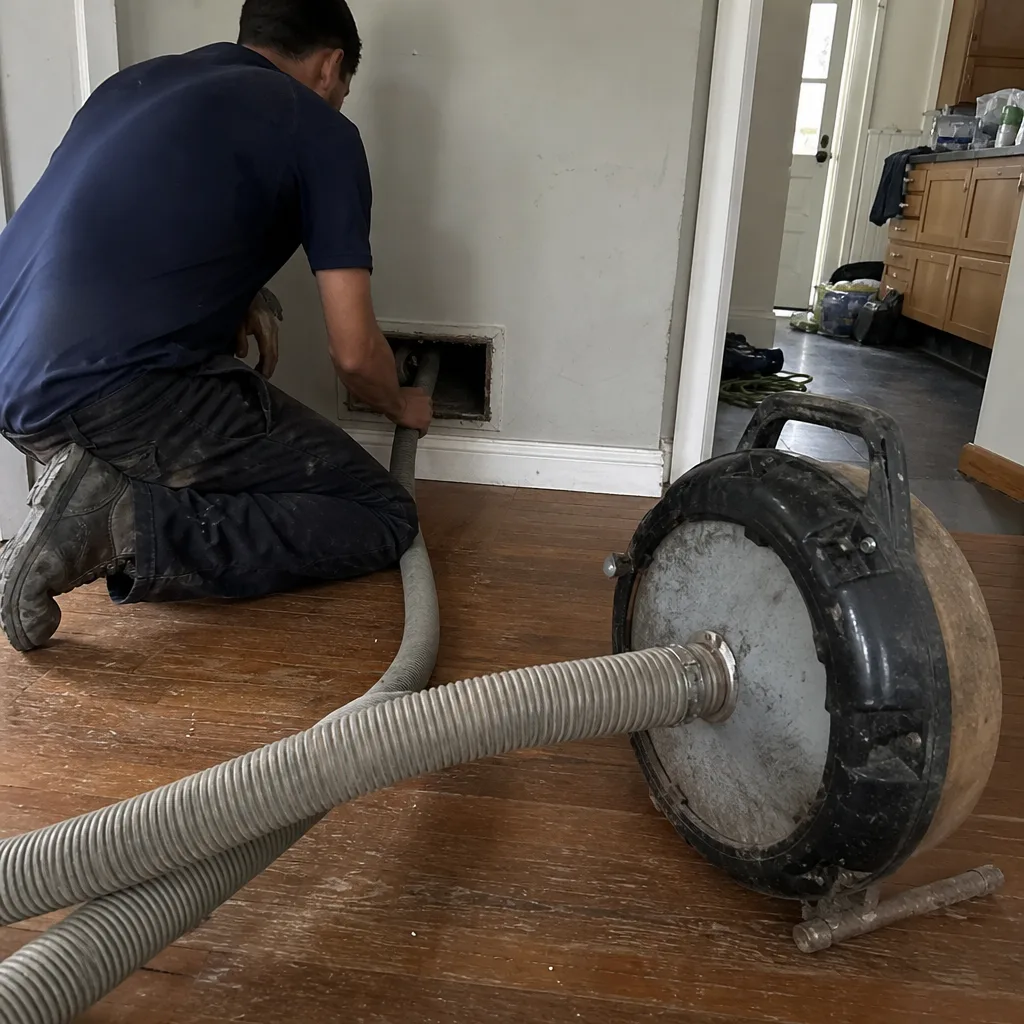 Before
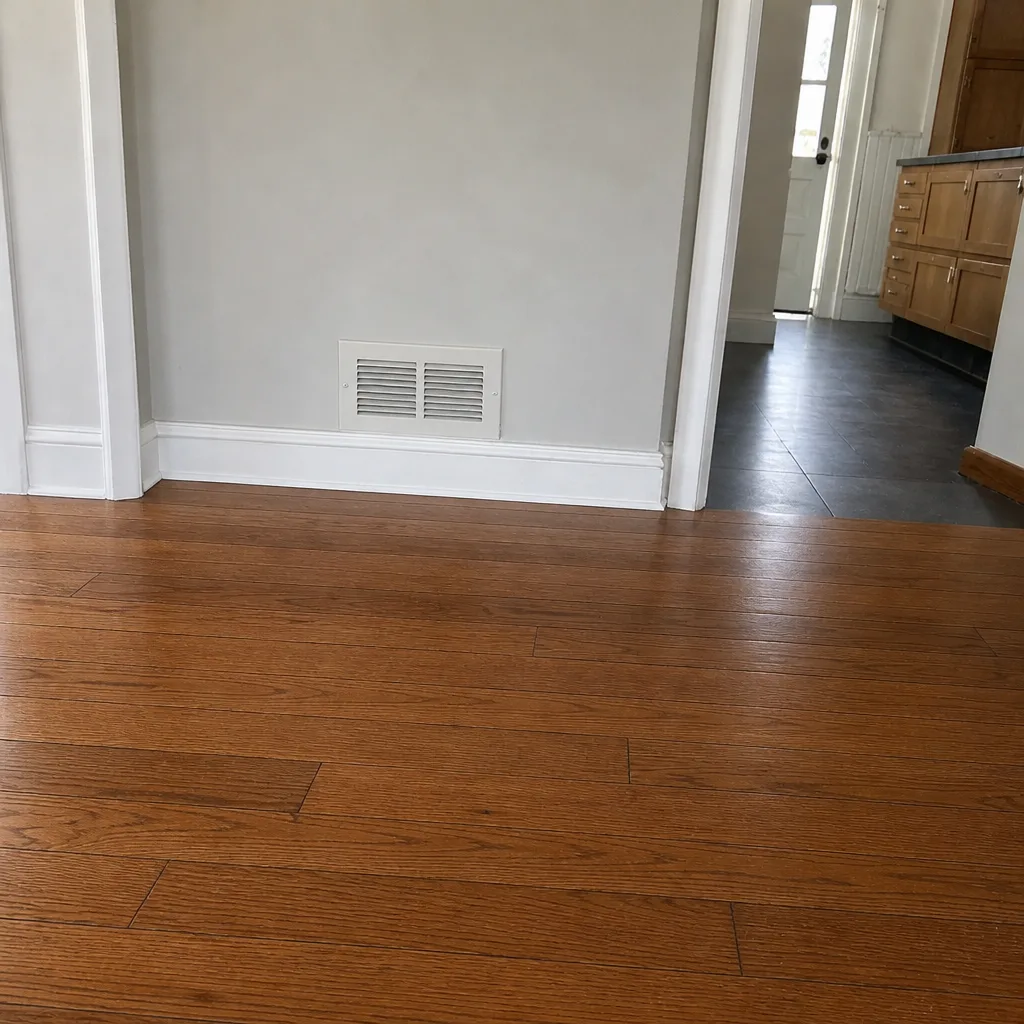 After
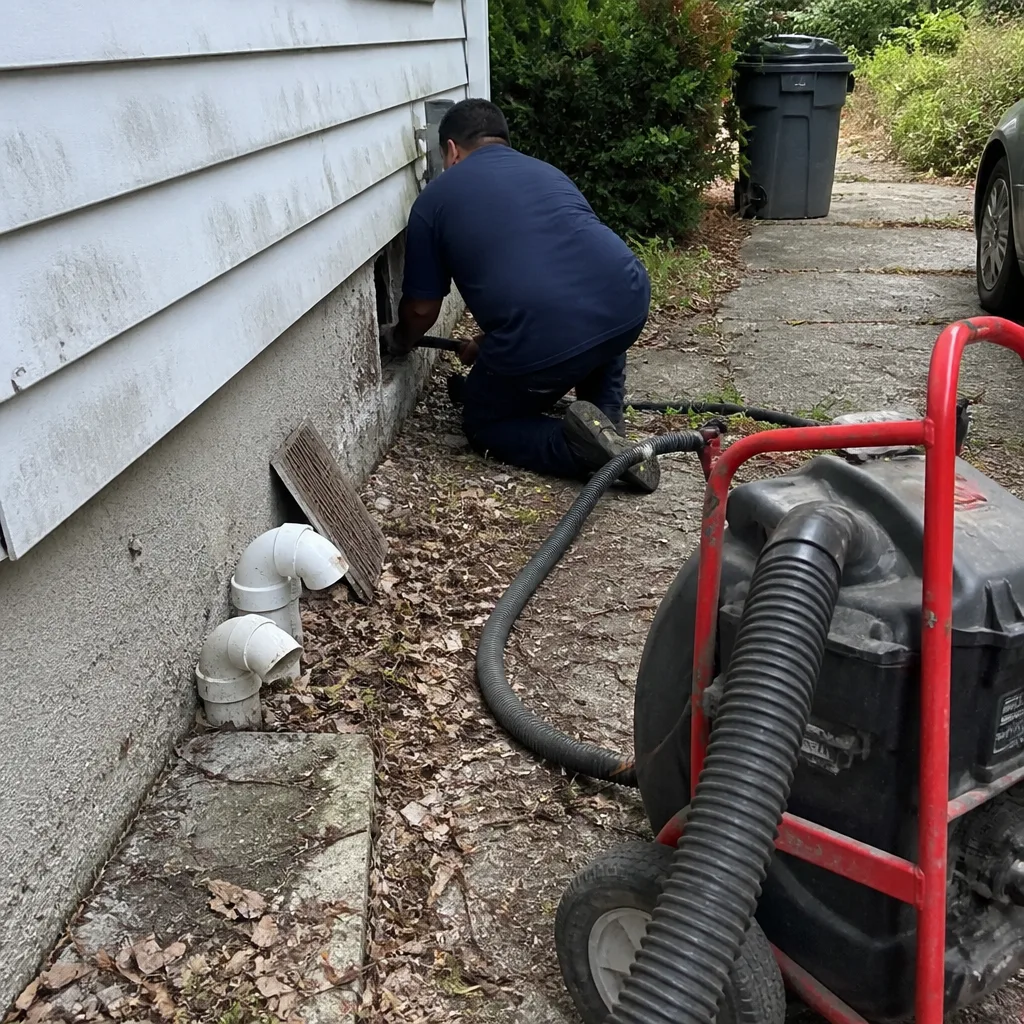 Before
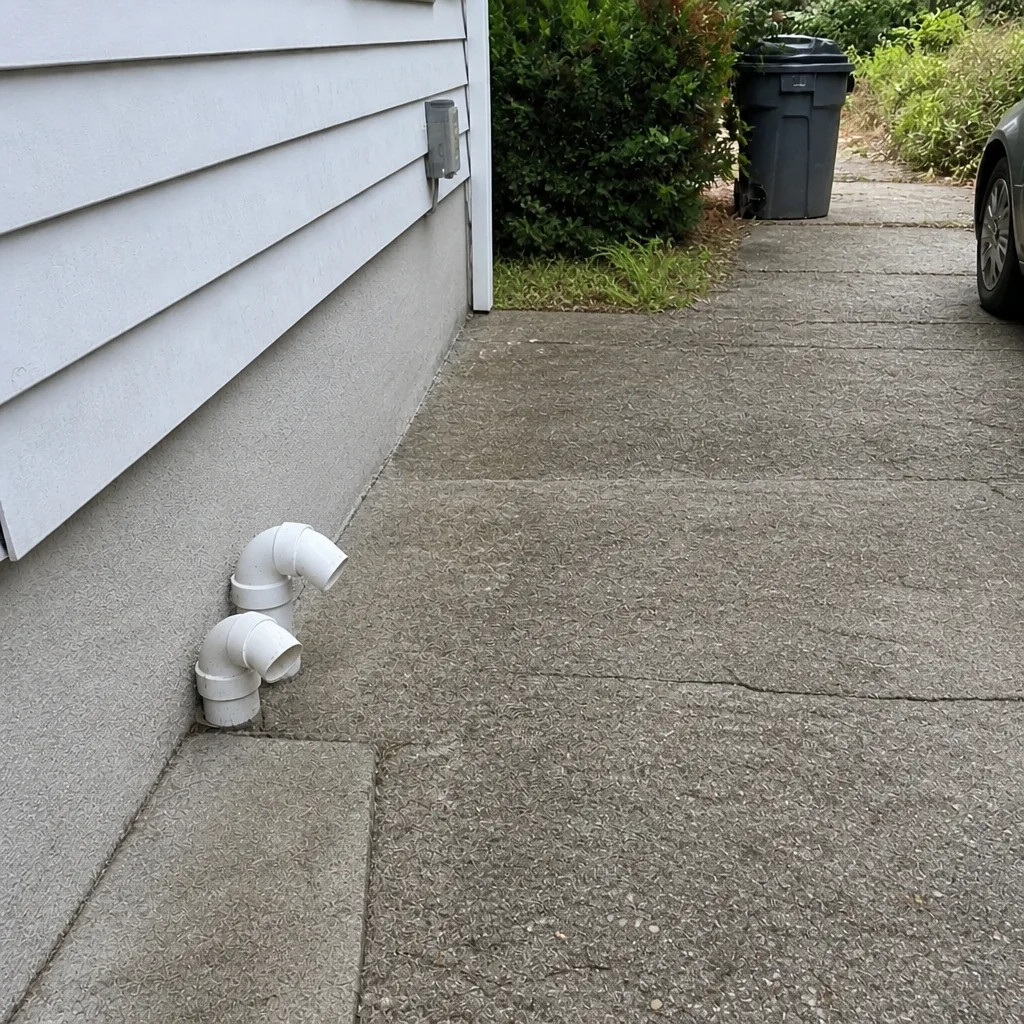 After
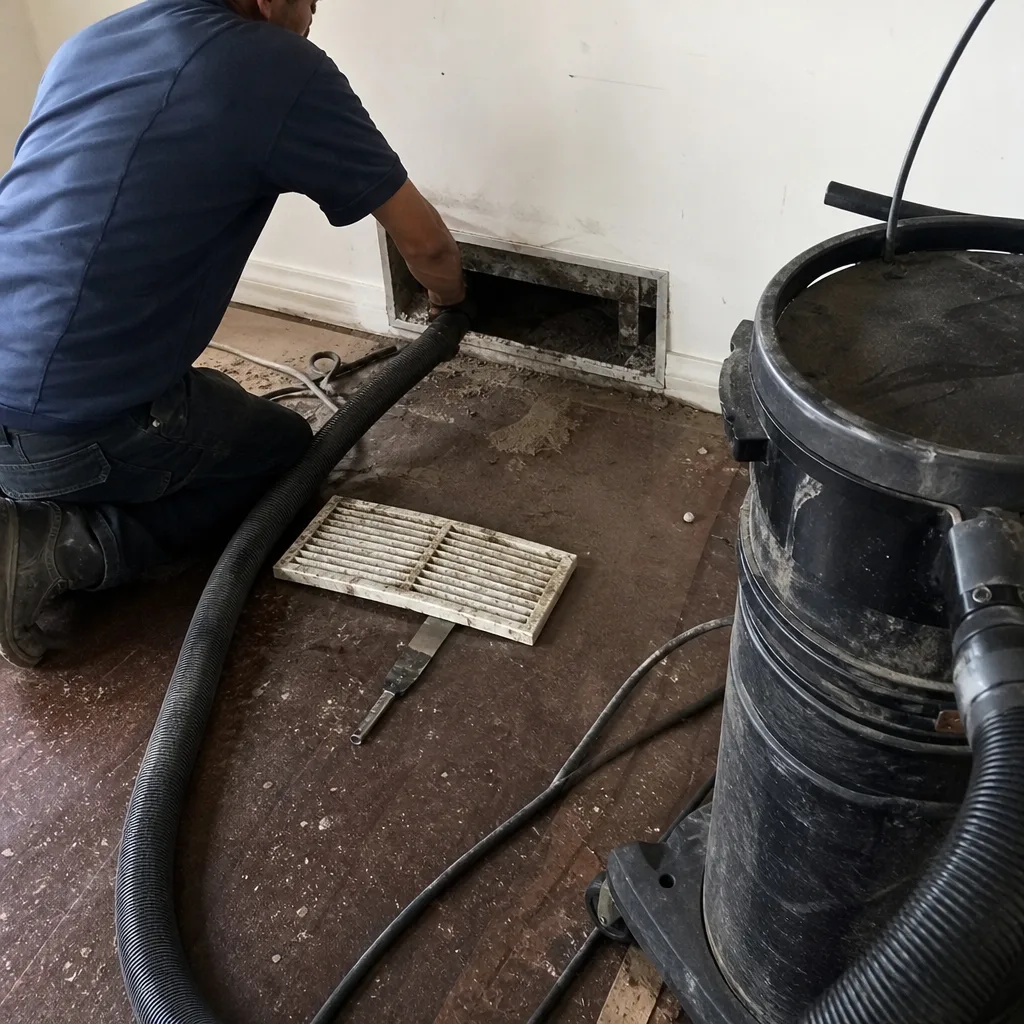 Before
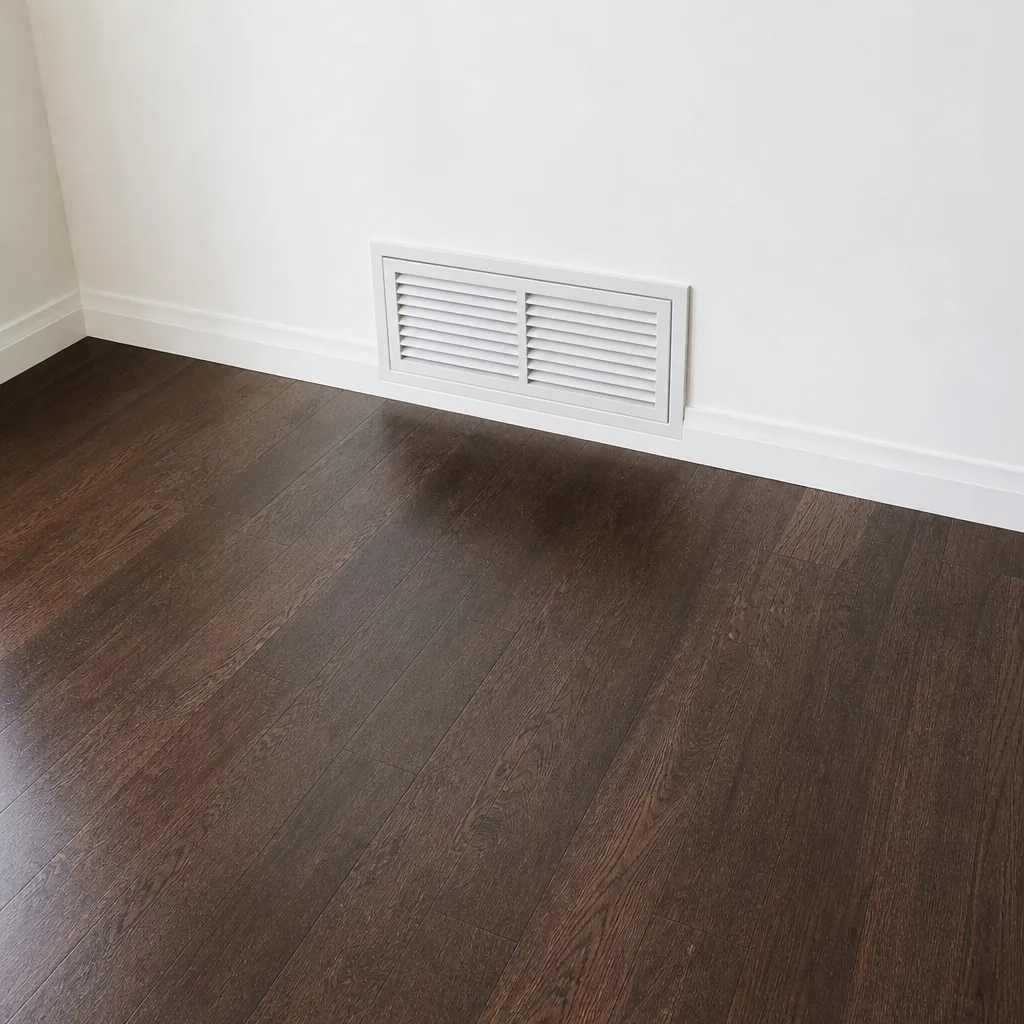 After
When to Call a Professional
Some signs point clearly to a professional visit. Visible dust puffing from the registers when the system kicks on. A musty or stale smell that lingers in the rooms the HVAC serves. Dust settling faster than it used to. A recent renovation that sent debris through the return lines. Microbial growth spotted on a register or grille. And in Williamsburg’s older converted buildings, a system you’ve never had inspected, where ductwork was retrofitted and leaks are common. If you’re also noticing lint buildup behind the dryer, schedule dryer vent cleaning at the same time so you’re not booking two visits.
Air Duct Cleaning Williamsburg offers free estimates in Williamsburg. Call (833) 508-9915. We answer 24/7. Fast dispatch from 7am to 7pm, Sunday through Friday, closed Saturday.
Frequently Asked Questions
Air duct cleaning in Williamsburg is priced per job, not per vent, and a written estimate sets the final price once we’ve seen the system. There’s no fixed rate because a converted loft’s retrofitted ductwork isn’t the same job as a brownstone with long runs between floors. Call (833) 508-9915 for an exact quote – estimates are free.
The cheapest quotes usually skip the parts that matter: professional vacuum strength, HEPA-grade filtration, negative air, mechanical agitation of the trunk lines, and post-job verification. A low flat-rate number is often a door-opener for add-ons once the technician is on site. Compare written scopes line by line, then call (833) 508-9915 – estimates are free.
A legitimate contractor includes post-job verification in the process, so you see the condition of the ducts after cleaning, not just the promise before it. Ask what the inspection protocol is before you book. We document before-and-after and treat the verification as part of the job. Call (833) 508-9915 for a free estimate.
There’s no single number that fits every home. The right interval depends on the building, pets, recent renovations, and what the inspection finds. A system that’s been contaminated or never inspected warrants a check; a clean system on a tight schedule needs less. Have it assessed rather than booked on a fixed timetable, and call (833) 508-9915 for a free estimate.
Yes, and in a co-op or condo you should also check the building’s own requirement, which often asks that the COI name the building as an additional insured. Confirm the contractor’s general liability and workers’ comp coverage directly with the insurer before work starts. Call (833) 508-9915 and we’ll walk you through our COI.
They can be scoped together. A proper process inspects first, cleans the whole air system, then seals leaks and addresses sanitizing where it’s needed, all within one provider’s scope. That’s how we structure air duct cleaning in Williamsburg alongside HVAC cleaning, so you don’t coordinate separate contractors. Call (833) 508-9915 for a free estimate.
The Bottom Line
New York State doesn’t license air duct cleaning, so the badge on a contractor’s ad proves less than the answers they give when you ask. Screen on the things that can’t be faked: named equipment, with the vacuum’s pulling power, filtration standard, and agitation method all explained; a written scope of work broken into line items; insurance verified directly with the insurer; and a defined post-job inspection. Compare the process from one contractor to the next, not just the price, and the low-bid vacuum crews screen themselves out. Whether you book air duct cleaning elsewhere or with us, that process is what protects you. For a free estimate from a Williamsburg team that answers equipment questions up front, call (833) 508-9915. We answer 24/7. Fast dispatch from 7am to 7pm, Sunday through Friday, closed Saturday.
Written by the team at Air Duct Cleaning Williamsburg.