
Last updated November 22, 2026
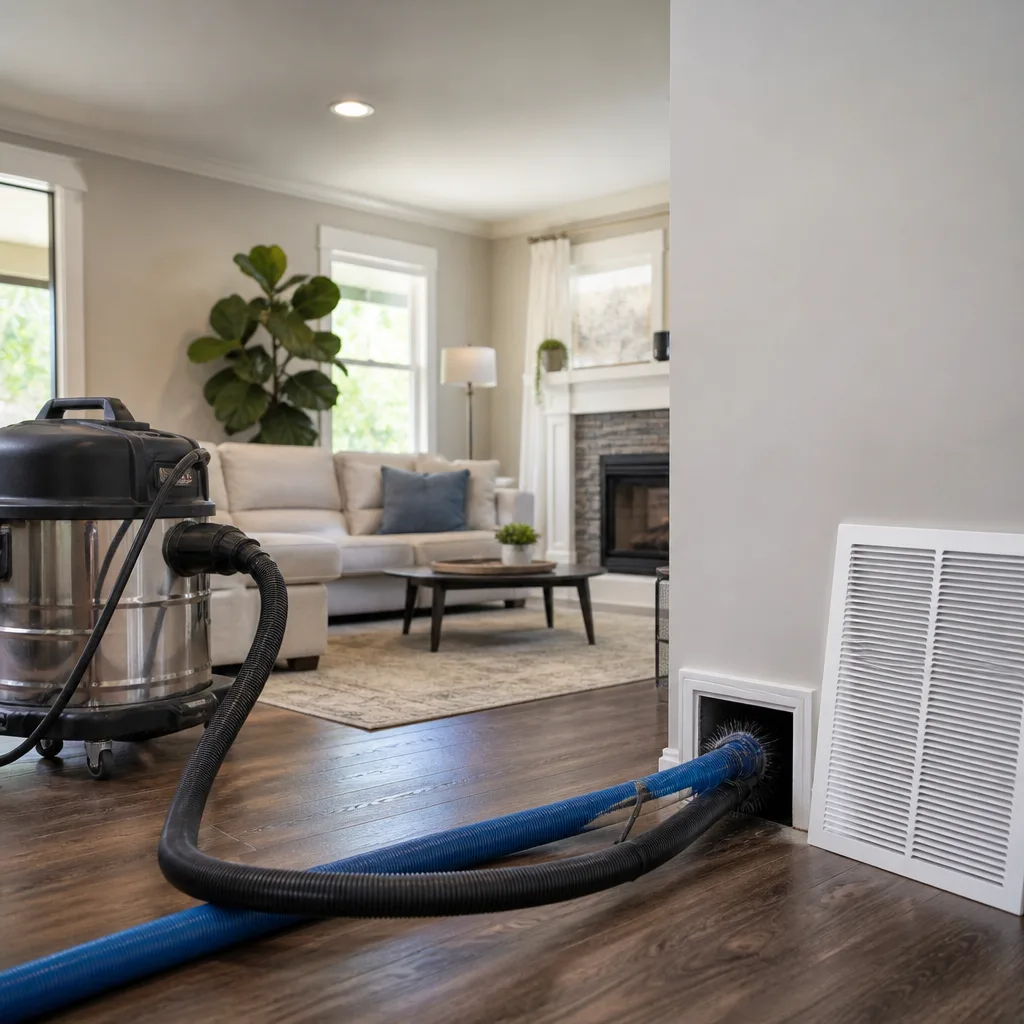 Whole-home duct cleaning
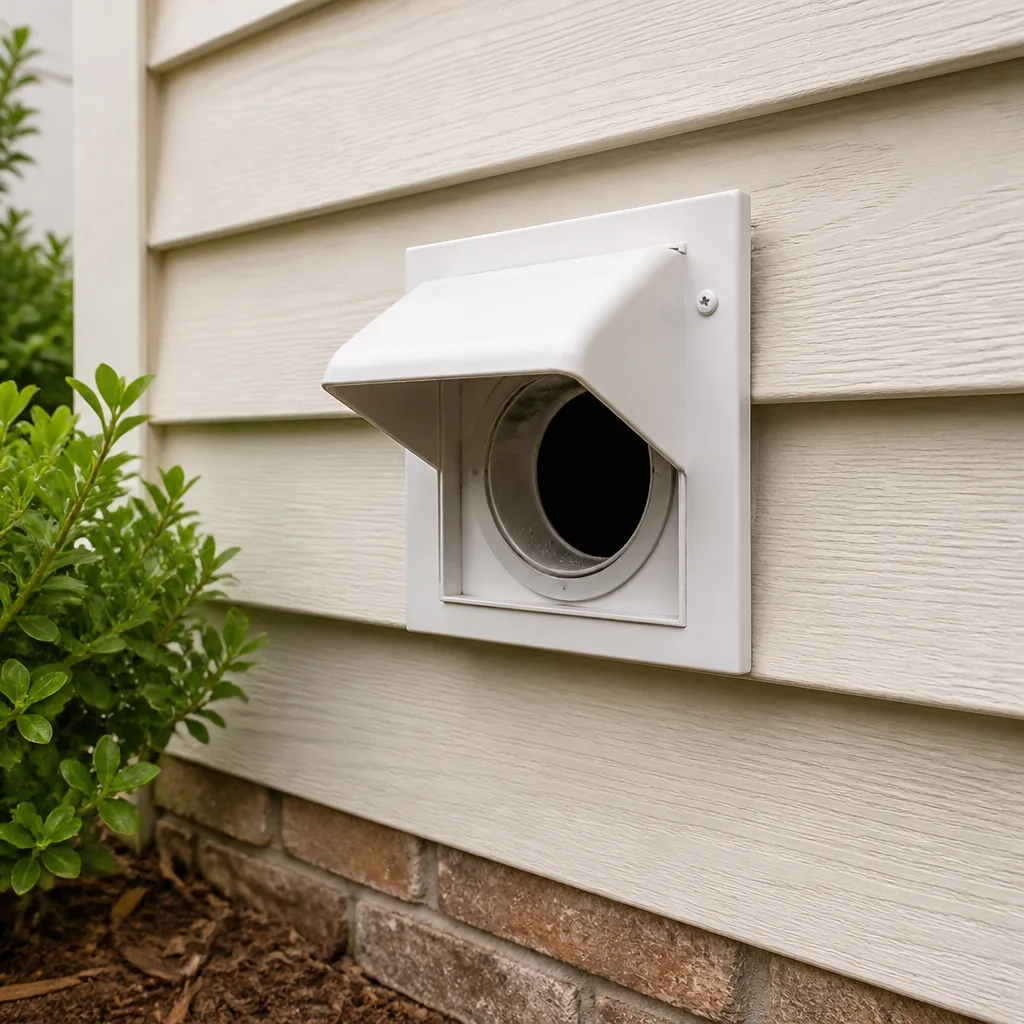 Dryer vent cleaning
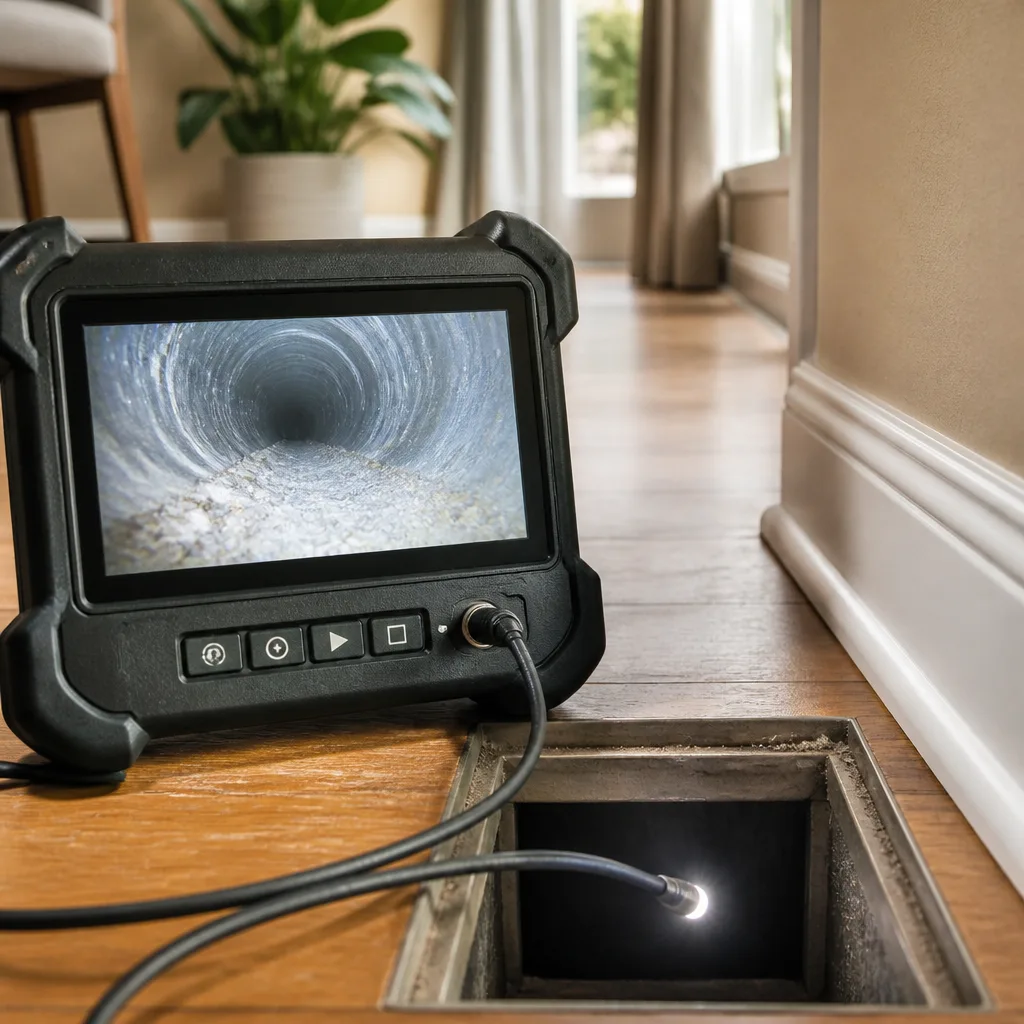 Camera inspection
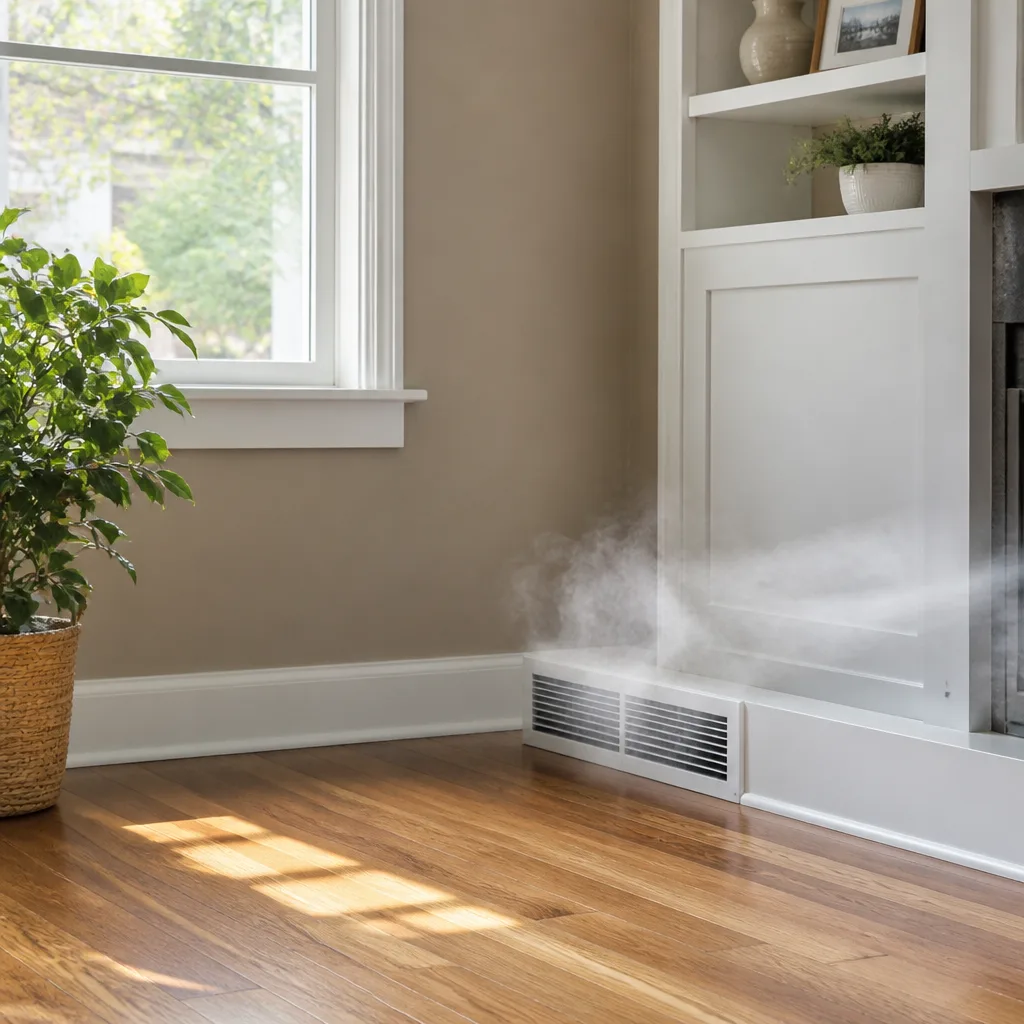 Sanitizing & deodorizing
Whole-system duct and dryer vent check with before-and-after photos - you see exactly what came out of your vents
That "$99 whole-house special" is a bait ad - the real number appears once they are in your hallway, or the "clean" is a shop-vac at the register. We photograph the inside of your ducts before and after instead.
Air Duct Cleaning Emergency Preparedness Guide for Williamsburg Homes
When the apartment above you floods and water runs down through your return air chase, you have a narrow window. Roughly 48 to 72 hours is what we work with before microbial growth in that ductwork turns a cleaning job into a remediation job. Most air duct emergencies in Williamsburg aren’t sudden failures at all. They’re the predictable result of a specific event: a water leak above the ductwork, a kitchen fire, or a neighboring unit’s mold remediation that pushes spores into shared return air. This guide prepares you to respond to those scenarios before they become permanent contamination problems, from the first hour to the insurance follow-up.
Quick Answer
An air duct emergency in a Williamsburg home almost always follows one of three events: water intrusion into ductwork, fire or smoke contamination, or mold from an adjacent unit reaching your system through shared return air. The first 24 to 72 hours decide whether the ductwork can simply be cleaned or whether it needs remediation-level treatment. Shut the system down, photograph everything with timestamps, and call a professional who inspects, cleans, repairs, and seals rather than one who only vacuums.
Styles & brands we work with
- Whole-home duct cleaning
- Dryer vent cleaning
- Camera inspection
- Sanitizing & deodorizing
Table of Contents
- Why Duct Emergencies in Williamsburg Are Event-Driven
- Water Intrusion: What to Do in the First 24 Hours
- Fire and Smoke Contamination in Ductwork
- Mold Remediation in Neighboring Units
- How to Document Duct Contamination for Insurance
- Vetting a Contractor Under Time Pressure
- Prevention: Preparing Your System Before the Next Event
- What Happens After Emergency Cleaning
Why Duct Emergencies in Williamsburg Are Event-Driven
In our experience, homeowners expect a duct emergency to announce itself with a bang. It rarely does. Ductwork fails quietly and reacts loudly. The system itself has no moving parts in the ducts; the damage comes from something outside the system entering it. Three events account for nearly every urgent call we handle in Williamsburg: water intrusion, fire and smoke, and cross-contamination from a neighboring unit.
Williamsburg’s housing stock makes all three more likely than they’d be in a suburb full of single-family detached homes. Dense multi-unit buildings share return air pathways, stack vertically, and put a lot of plumbing directly above and alongside ductwork. When something goes wrong a few floors up, the air path carries it down to you.
Why does speed matter so much? Because the difference between a cleaning job and a remediation job is measured in hours, not weeks. Water in a galvanized duct or a flex run creates a damp, dark, insulated environment that favors microbial growth. Soot coats duct walls and, unlike dust, bonds chemically until it’s neutralized. Mold spores that enter through shared return air settle and colonize wherever moisture is already present. Each of these can be corrected cheaply at the start and expensively after the problem establishes itself.
The good news is that event-driven problems are also predictable problems. Because we know what causes them, we know what you should do first. That’s what the rest of this guide covers, scenario by scenario.
What “Emergency” Actually Means for Ductwork
- Not an HVAC breakdown. If the furnace or AC has failed, that’s an equipment call, not a duct call.
- A source of contamination entering the system. Water, soot, or spores reaching the ducts is the trigger.
- A time-sensitive window. The 48 to 72 hour mark is the practical ceiling before cleaning escalates to remediation.
- A documentation event. Emergencies are almost always insurance claims, so the response has to include records, not just cleaning.
Water Intrusion: What to Do in the First 24 Hours
The single most important thing you can do after water reaches your ductwork is stop the system from moving air through it. A running system turns damp ductwork into a distribution network for moisture and whatever grows in it. Shut the system down at the thermostat first, then at the breaker if you can safely reach it.
Here is the sequence we recommend when water intrusion reaches ductwork in a Williamsburg home:
- Stop the air handler and shut off the system. Thermostat to off, then the breaker. Never open an electrical panel yourself if water is anywhere near it; call a licensed electrician for that.
- Stop the source. If the leak is above you, notify building management or the neighboring unit immediately. Water that keeps coming makes every other step pointless.
- Isolate the wet zone. Close supply registers in the affected area and keep people out of rooms where water has pooled around vents.
- Photograph everything before you clean up. Wide shots of the room, close-ups of stained ductwork, ceilings, and insulation, and a timestamp on every image. More on this in the documentation section.
- Contact your insurer and your building’s management the same day. Both need a record that the event happened promptly.
- Call a professional for inspection. Water gets into places a towel can’t reach: duct insulation, flex runs, plenum boxes, and the interior of the air handler.
Don’t run a household fan or a space heater aimed at the vents to “dry them out.” Pushing air through wet ductwork spreads moisture and contaminates more of the system.
This is where proper equipment earns its keep. We use Nikro vacuum and negative-air equipment during service so that contaminated material is captured rather than blown into your living space, and Rotobrush rotary brush systems to reach duct walls that a vacuum alone misses. Air duct cleaning Williamsburg treats a water event as an inspection first: how far the water traveled decides the scope.
Fire and Smoke Contamination in Ductwork
Soot in ductwork is not dust with a bad smell. It’s a different problem that requires a different process. Dust is particulate sitting on a surface; it can be vacuumed and brushed away. Soot includes acidic residues that bond to metal and flex duct surfaces, and it carries odor compounds that re-release into the air every time the system runs. Vacuuming a soot-contaminated duct can temporarily reduce the visible residue while leaving the chemistry that keeps producing odor.
A kitchen fire contained to one unit still contaminates the ductwork of that unit, and sometimes the shared system above and below it. The visible smoke damage in the kitchen isn’t the whole picture. Smoke travels through the air path, and the air path is the ducts.
What Safe Recovery Requires
- The system stays off until it’s been assessed. Running a soot-contaminated system circulates acidic particles through the home.
- Mechanical cleaning of the entire air path. Supply, return, and trunk lines, not just the registers you can see.
- Chemical neutralization. Soot residue needs chemistry that neutralizes it, not just a mechanical pass.
- A sanitizing step afterward. This is where Guardsman-grade cleaning and protection products come into the process.
- Air quality follow-up. Filtration upgrades such as Honeywell or Aprilaire products can help keep the air clean once the ductwork is restored.
Keep people, especially anyone with respiratory sensitivity, out of the affected rooms until the system has been assessed and cleaned. Fire and smoke contamination is one of the cases where we treat ductwork with the same filtration standard used in professional remediation projects; that’s what our Abatement Technologies filtration equipment is for.
Mold Remediation in Neighboring Units
Here’s a scenario unique to dense housing: the unit next door or two floors up begins a mold remediation, and suddenly your air starts to smell musty or your family starts reacting to it. How does that happen? Shared return air pathways and stack effects move air between units in many Williamsburg buildings. When a neighbor’s remediation disturbs mold colonies, spores can be aerosolized and pulled into your system through those shared paths.
In our experience, the telltale signs that spores have entered your system include:
- A musty or earthy smell that appears when the HVAC system runs, not just when it’s off.
- Visible dark spotting on registers, grilles, or the interior of the air handler.
- Family members reporting irritation or allergic symptoms that worsen indoors.
- Condensation or dampness on or near ductwork, which gives spores somewhere to settle.
Testing is worth doing when you have symptoms but no visible evidence. A professional air quality assessment can establish what’s in the air before you spend money on cleaning that may not be needed. If a neighbor’s remediation is underway, ask building management whether the remediation contractor is using containment and negative air pressure; that’s what keeps spores from spreading. Our air duct cleaning service includes inspection that can confirm whether contamination has reached the system, and our sanitizing step addresses microbial growth on duct surfaces once the source is removed.
How to Document Duct Contamination for Insurance
Insurance adjusters approve claims based on evidence, not descriptions. If you can document a duct contamination event with clear, timestamped records, you’re far more likely to have the cleaning or remediation covered. What they actually need is simpler than most homeowners expect.
What to capture, in this order:
- Wide-angle photos of the affected rooms. Include ceilings, walls, floors, and any visible water staining.
- Close-ups of ductwork, registers, and grilles. Photograph the contamination itself: soot, staining, mold spotting, or water lines.
- Timestamps on every image. A photo’s time is part of the evidence. Keep the metadata intact.
- Notes on the source and cause. Where the water came from, when it started, and who else was involved (building management, a neighboring unit).
- A contractor report. A written assessment of scope and contamination, from the professional who inspected the system.
- The cleaning invoice. Detailed line items, not a lump sum, so the adjuster can match charges to scope.
Insurance requirements vary by policy, so check with your insurer about what’s needed for your claim. In our experience, adjusters respond well to contractor reports that include before-and-after photos of the ductwork, because they show the scope was real and the work was completed. We provide those photos as part of our service, and we can work with your insurer on the documentation side.
For building-wide events, get management involved early. If multiple units are affected, a coordinated claim with a single report is easier to process than a dozen separate ones.
Vetting a Contractor Under Time Pressure
When you need duct service within 24 hours, you don’t have time for background checks and reference calls. What you do have time for is three questions. Ask them before you book, and you’ll sort capable contractors from opportunists quickly.
The Three Questions
- “What equipment will you use, and will you use negative air pressure?” A professional answer names real equipment: Rotary brush systems, HEPA vacuums, negative-air machines. A vague answer (“the best equipment”) means consumer-grade equipment. We use Rotobrush rotary brush systems and Nikro negative-air equipment because they keep contamination contained during the work.
- “Will you inspect, clean, repair, seal, and sanitize, or just vacuum?” Emergency cleaning without sealing leaves leaks that let contamination back in. Emergency cleaning without sanitizing leaves microbial growth that was the reason for the call. A contractor who offers all of it is a contractor who can solve the actual problem.
- “How will you document the work for my insurance and show me it was done?” The answer should include photos, a written report, and a clear scope. If there’s no answer, keep calling.
Add one more habit: ask whether the contractor works with professional-grade equipment brands. Mentioning Abatement Technologies filtration or Honeywell and Aprilaire filtration products is a sign they operate at a level above a shop vacuum. If they can’t name a single brand, they’re probably not set up for emergency-level contamination. HVAC cleaning is another service to ask about, because contamination often spreads beyond the ducts into the air handler and coils.
Ask about dryer vent cleaning while you’re at it if your event involved a fire. Lint and heat are a separate and related hazard, and getting both handled in one visit saves you a second appointment.
Prevention: Preparing Your System Before the Next Event
Once you’ve lived through one duct emergency, the next one gets easier if you prepare. The goal isn’t to prevent every event; it’s to make sure you’re not starting from scratch when one happens. Preparation is cheap, and it shortens the response window.
- Know where your shutoffs are. Locate the breaker that controls the air handler before you need it. If you can’t identify it, have an electrician label your panel.
- Keep a document kit. A folder (physical or digital) with your policy number, building management contacts, and a recent photo of your ductwork and registers. A “before” photo makes a “before and after” claim much stronger.
- Schedule a system inspection. A professional inspection can find the leaks, gaps, and unsealed joints that let contamination travel in the first place. Duct repair and sealing fix them.
- Watch for warning signs. Musty smells when the system runs, visible dust around registers, and condensation on ductwork are worth a call before they become a problem.
- Know your building’s shared systems. Ask management which units share return air paths with yours, so you know when a neighboring event could affect you.
If you’re in a Williamsburg building with shared return air, a sealing and inspection visit from our team is the most useful preventive step available. It closes the paths that let contamination travel between units.
What Happens After Emergency Cleaning
Emergency cleaning resolves the acute problem; what comes after determines whether it stays resolved. A proper sequence looks like this:
- Inspection confirms the scope was matched. Any remaining contamination gets addressed before the system goes back on.
- Repairs and sealing close the paths the contamination used. This is what prevents a repeat in the same spot.
- The system is sanitized. Guardsman-grade cleaning and protection products address the microbial and odor side of the problem.
- Filtration upgrades are considered. Honeywell and Aprilaire products help keep the air clean going forward.
- Documentation is delivered. Before-and-after photos and a written report for your insurer and your records.
You can verify the outcome with a follow-up air quality assessment if you want confirmation rather than a promise. Air quality you can verify, not just claim, is the standard we hold ourselves to. We use the same rotary-brush and negative-air equipment professionals rely on, not portable shop vacuums, because emergency contamination doesn’t leave room for shortcuts.
Common Mistakes to Avoid
- Running the system after water reaches the ducts. A running system spreads moisture and contamination through the whole air path. Shut it down first, then assess.
- Cleaning up before photographing. The evidence is part of the claim. Take the photos with timestamps before you touch anything.
- Vacuuming soot and calling it done. Soot needs chemical neutralization, not just mechanical cleaning. Skipping neutralization leaves the odor and acidic residue behind.
- Assuming smoke and mold problems stay in the affected unit. In a Williamsburg multi-unit building, shared return air can carry contamination across walls. Ask what’s shared before deciding you’re unaffected.
- Hiring the fastest responding contractor without any vetting. Speed without the right equipment just moves the problem around. The three questions in this guide take five minutes.
- Skipping the repair and sealing step. Cleaning without sealing leaves the leaks that let contamination in the first place.
- Letting an event go undocumented for your insurer. A claim filed late with weak evidence is harder to approve than one filed the same week with photos and a contractor report.
See the difference
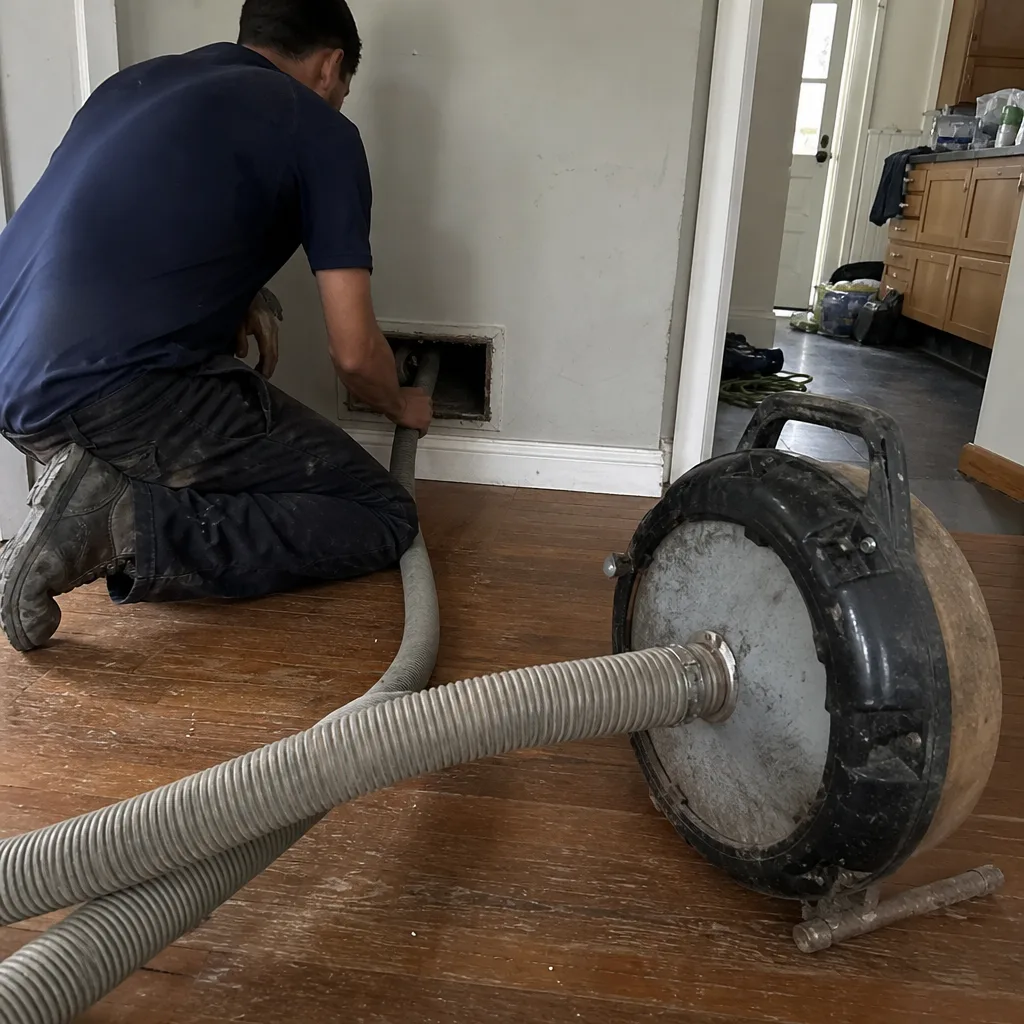 Before
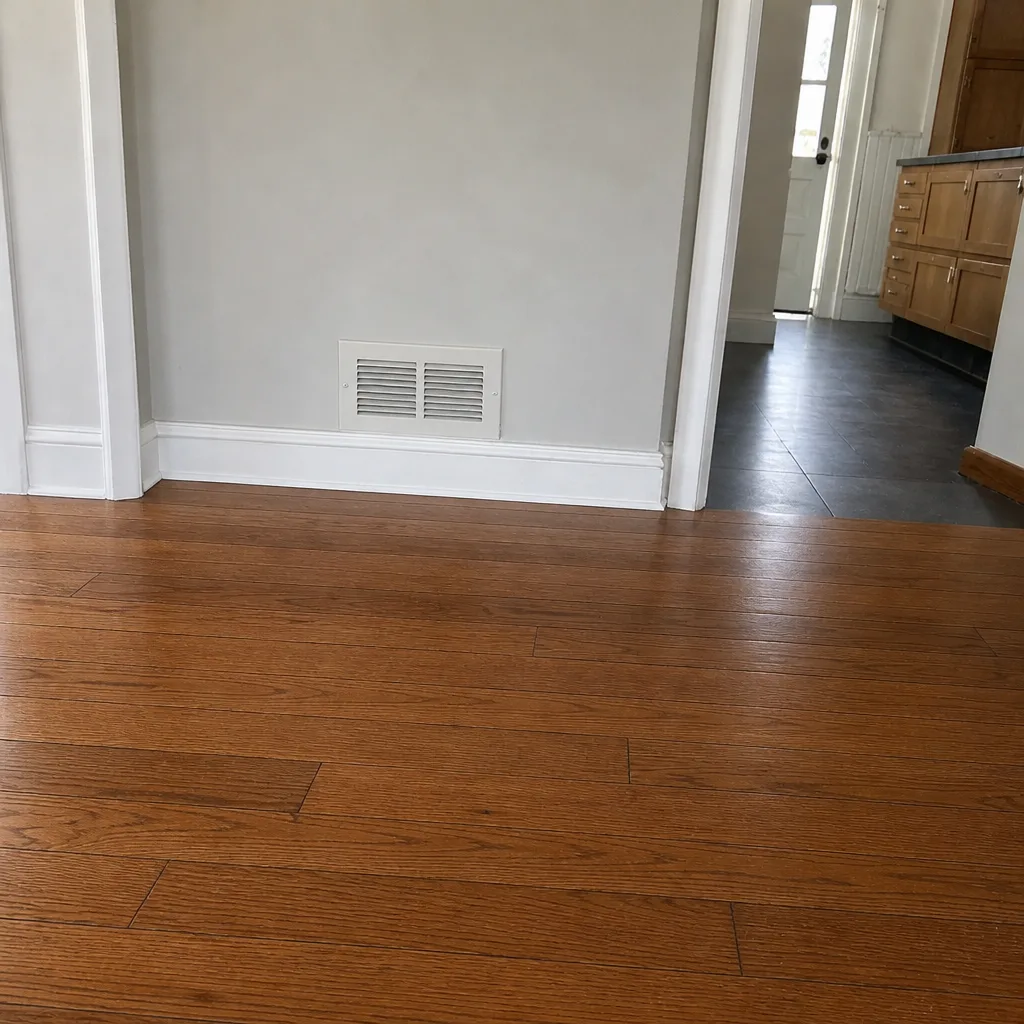 After
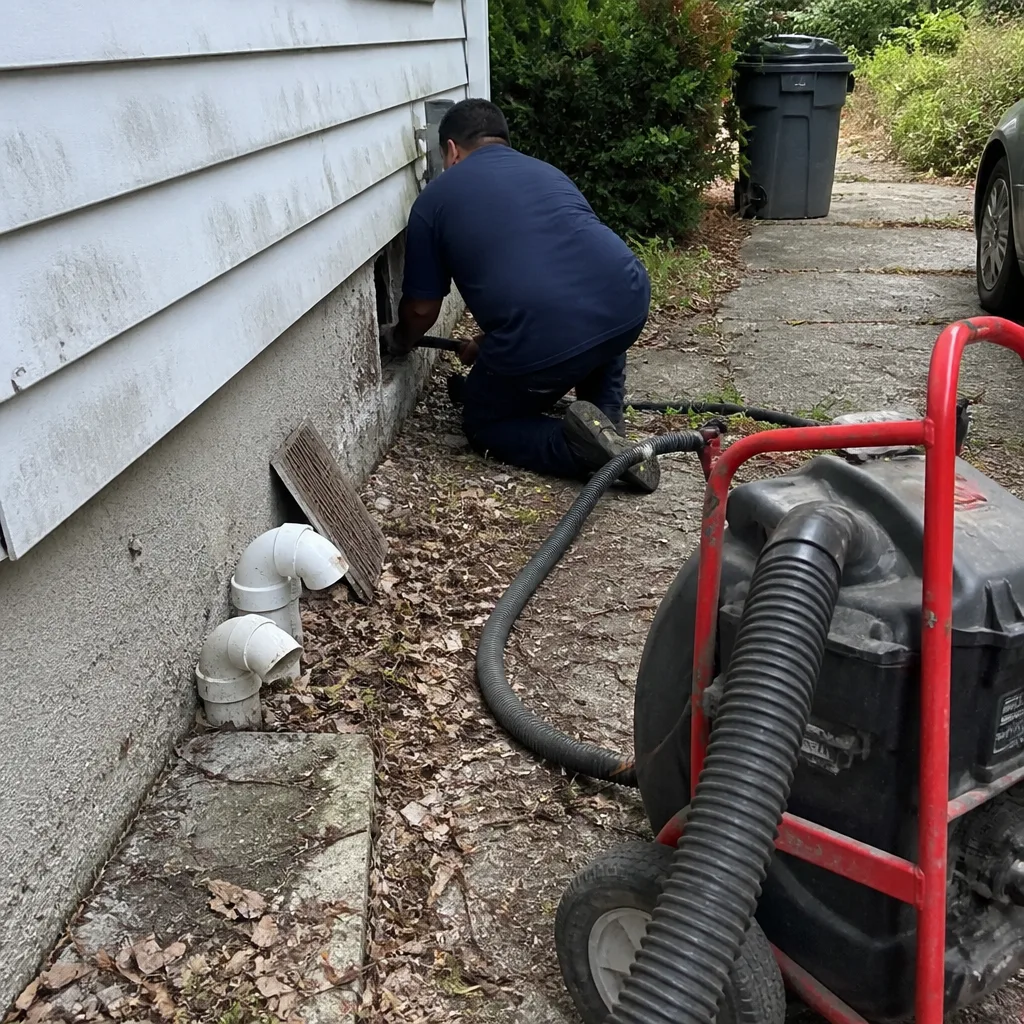 Before
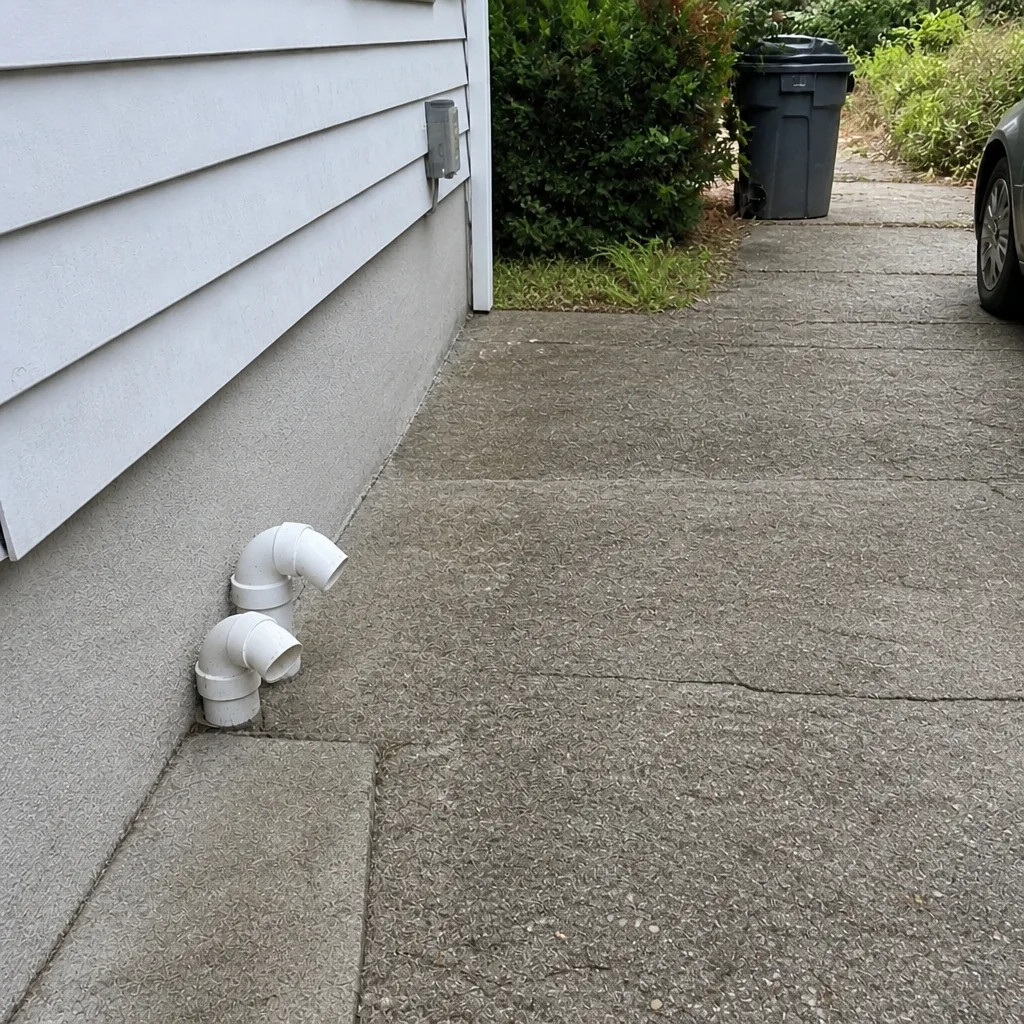 After
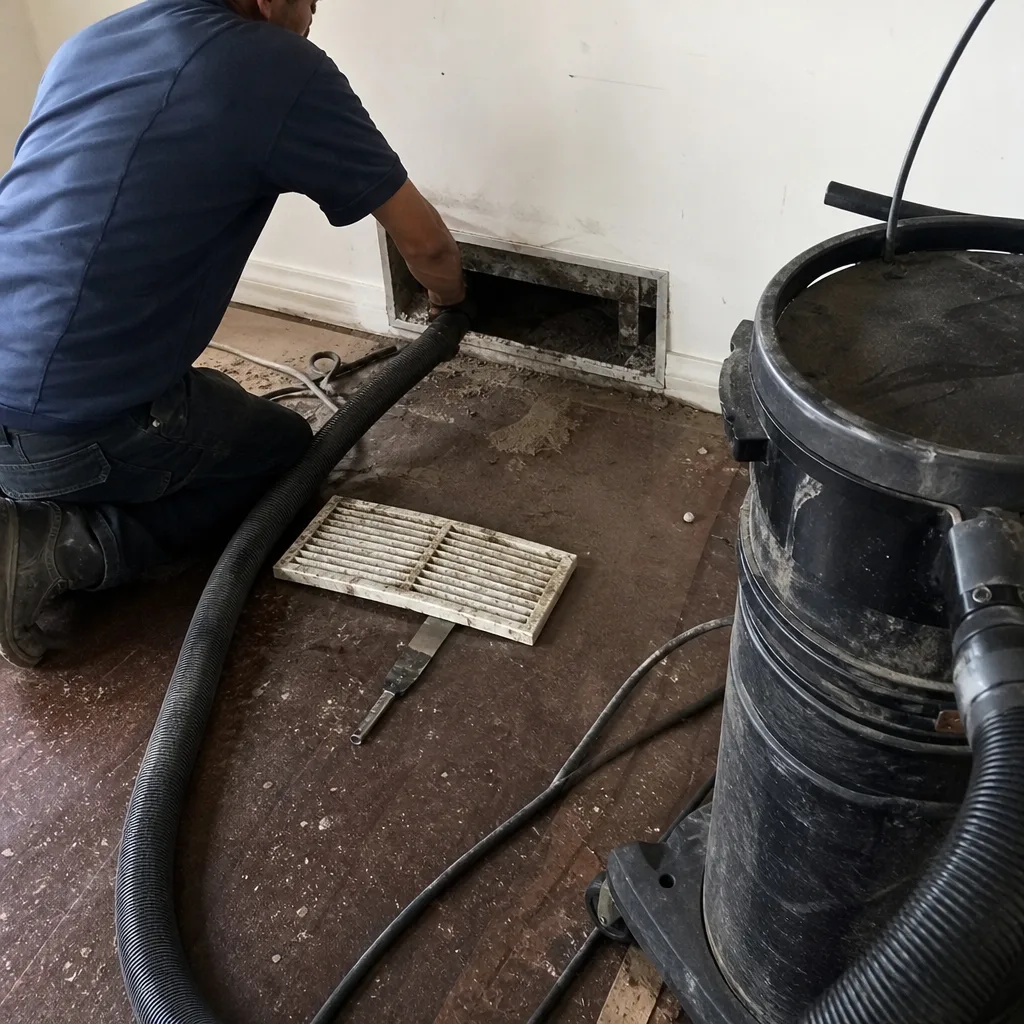 Before
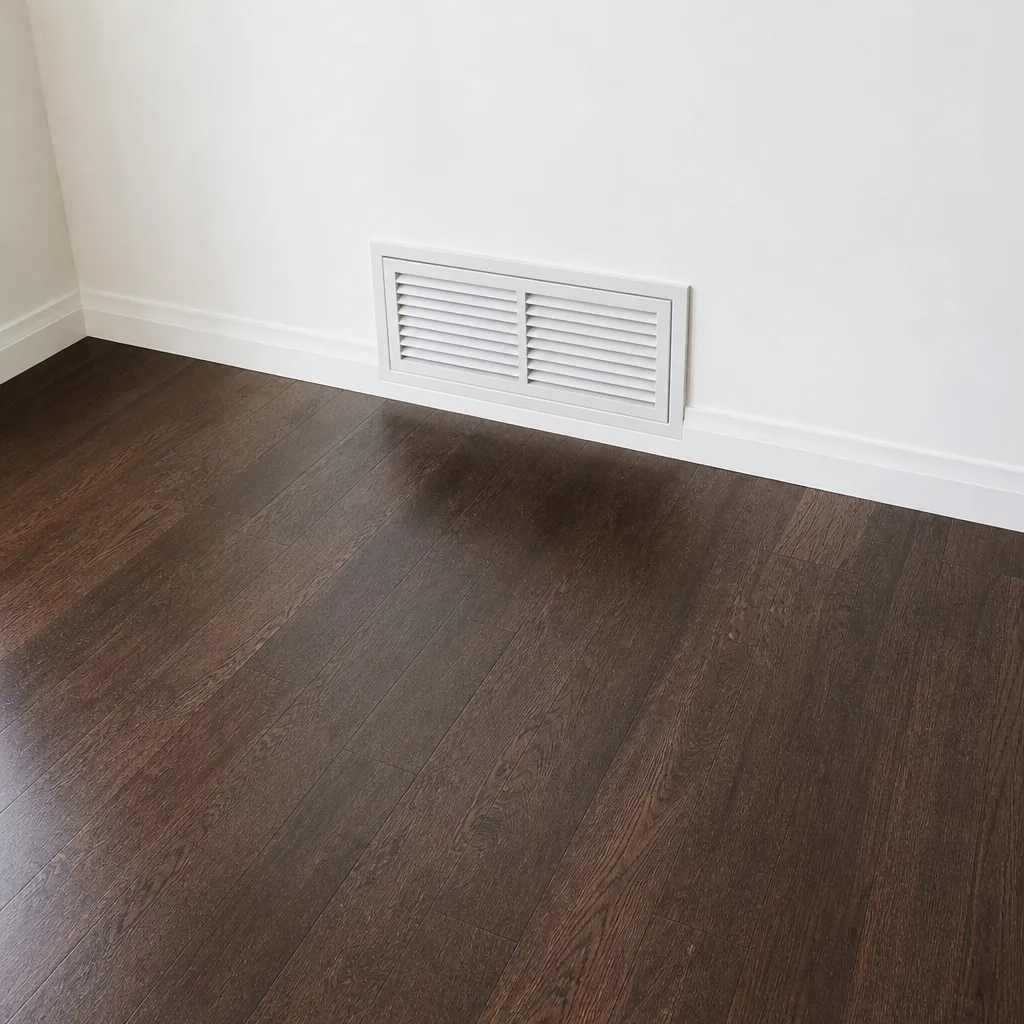 After
When to Call a Professional
Call a professional when water, soot, or a musty smell has reached the ductwork, when a neighboring unit is undergoing mold remediation and your system runs nearby, or when visible staining or spotting appears on registers and you can’t confirm what it is. You should also call when your insurance claim needs a contractor report, because a written scope is part of the evidence. We help with all of these in Williamsburg. Air Duct Cleaning Williamsburg offers free estimates in Williamsburg, so call (833) 508-9915 for an exact quote before anything gets worse.
Frequently Asked Questions
Within 48 to 72 hours. Water in ductwork creates damp conditions that favor microbial growth, and that window is the practical difference between cleaning and remediation. Shut the system off first, then call a professional for inspection. Call (833) 508-9915 for an exact quote. Estimates are free.
No. Soot is chemically different from dust and bonds to duct surfaces, so household vacuuming reduces visible residue without neutralizing the source. It can also spread contamination. Soot requires mechanical cleaning of the whole air path plus chemical neutralization. Call us for an exact quote.
Look for a musty smell that appears when your HVAC runs, visible dark spotting on registers or the air handler, and symptoms that worsen indoors. If a neighbor’s remediation is underway, ask management whether the contractor is using containment and negative air pressure. An inspection confirms it either way; call (833) 508-9915 for a free estimate.
Pricing depends on scope: how far contamination traveled, whether repair and sealing are needed, and whether sanitizing is part of the job. We price per system, not per vent, and the written estimate sets the final price. Call (833) 508-9915 for an exact quote; estimates are free.
We’re closed Saturday, so dispatch runs Sunday through Friday, 7am to 7pm. If an event happens late in the week, call and we’ll book you into the next opening. We answer 24/7 at (833) 508-9915.
Coverage depends on your policy, so check with your insurer. What helps a claim is documentation: timestamped photos of the contamination, notes on the source, a contractor report, and a detailed invoice. We provide before-and-after photos and can work with your insurer on the documentation.
The Bottom Line
Air duct emergencies in Williamsburg homes are almost always event-driven, and the events are predictable: water intrusion, fire and smoke, and mold from an adjacent unit reaching shared return air. What separates a cleaning job from a remediation job is time, and the window is 48 to 72 hours. Shut the system down first. Photograph everything before you clean up. Hire a contractor who inspects, cleans, repairs, seals, and sanitizes, and who can show you verification rather than a promise. Have a plan in place before the next event, and the recovery gets simpler.
Call (833) 508-9915. We answer 24/7. Fast dispatch from 7am to 7pm, Sunday through Friday.
Written by the team at Air Duct Cleaning Williamsburg.