
Last updated November 22, 2026
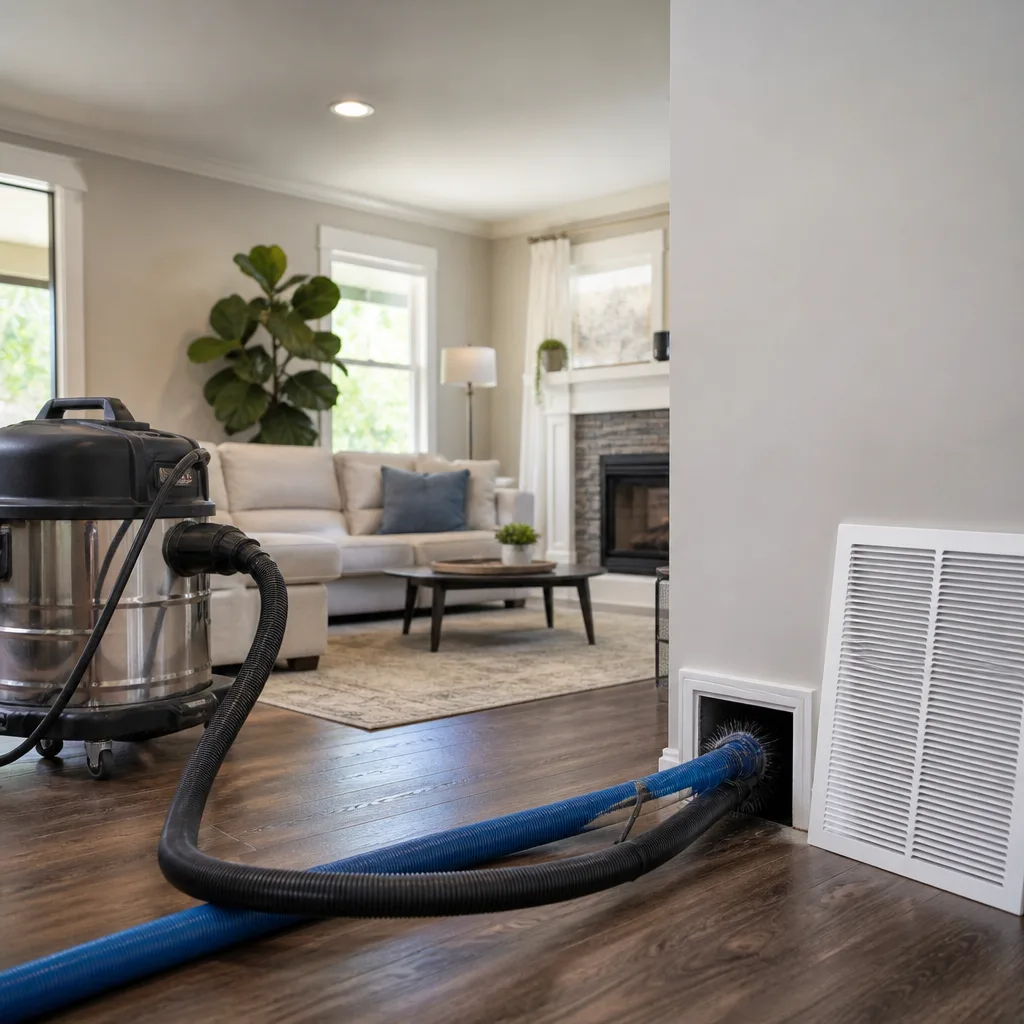 Whole-home duct cleaning
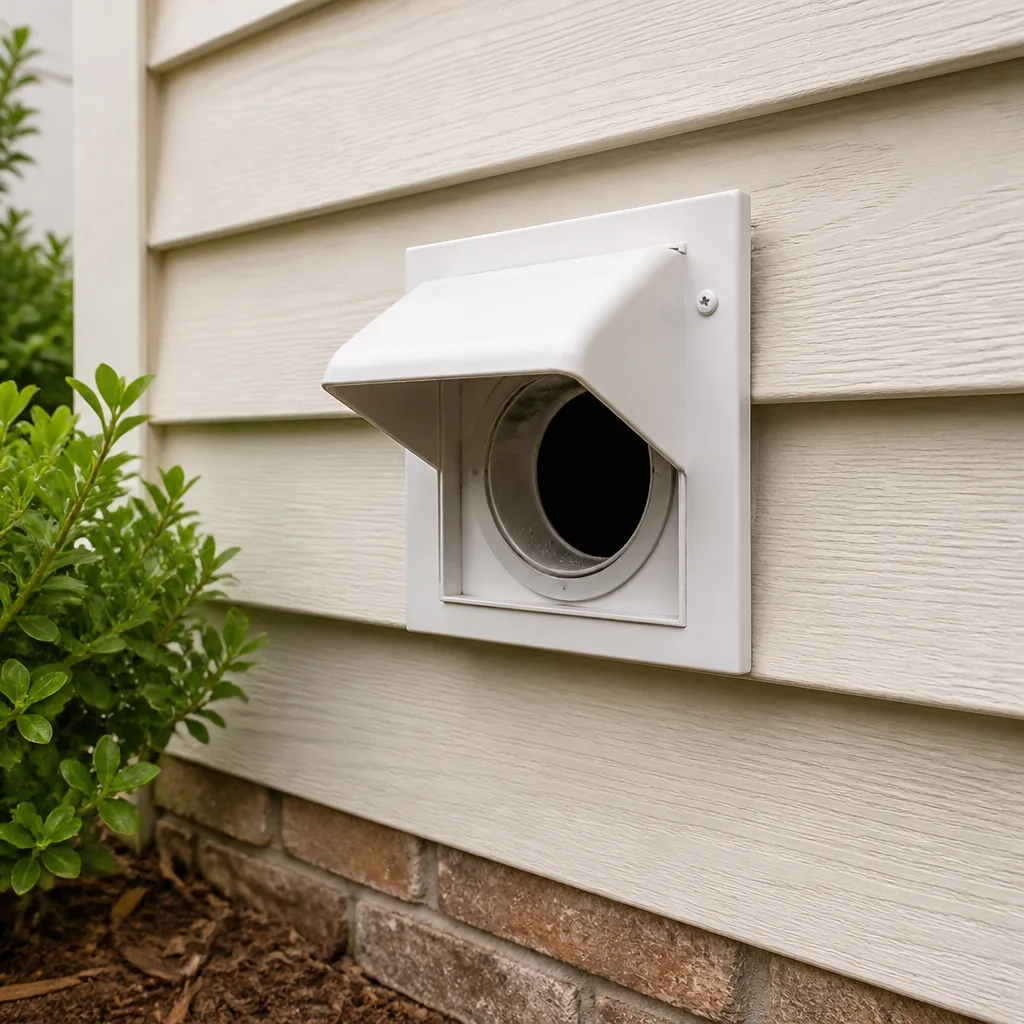 Dryer vent cleaning
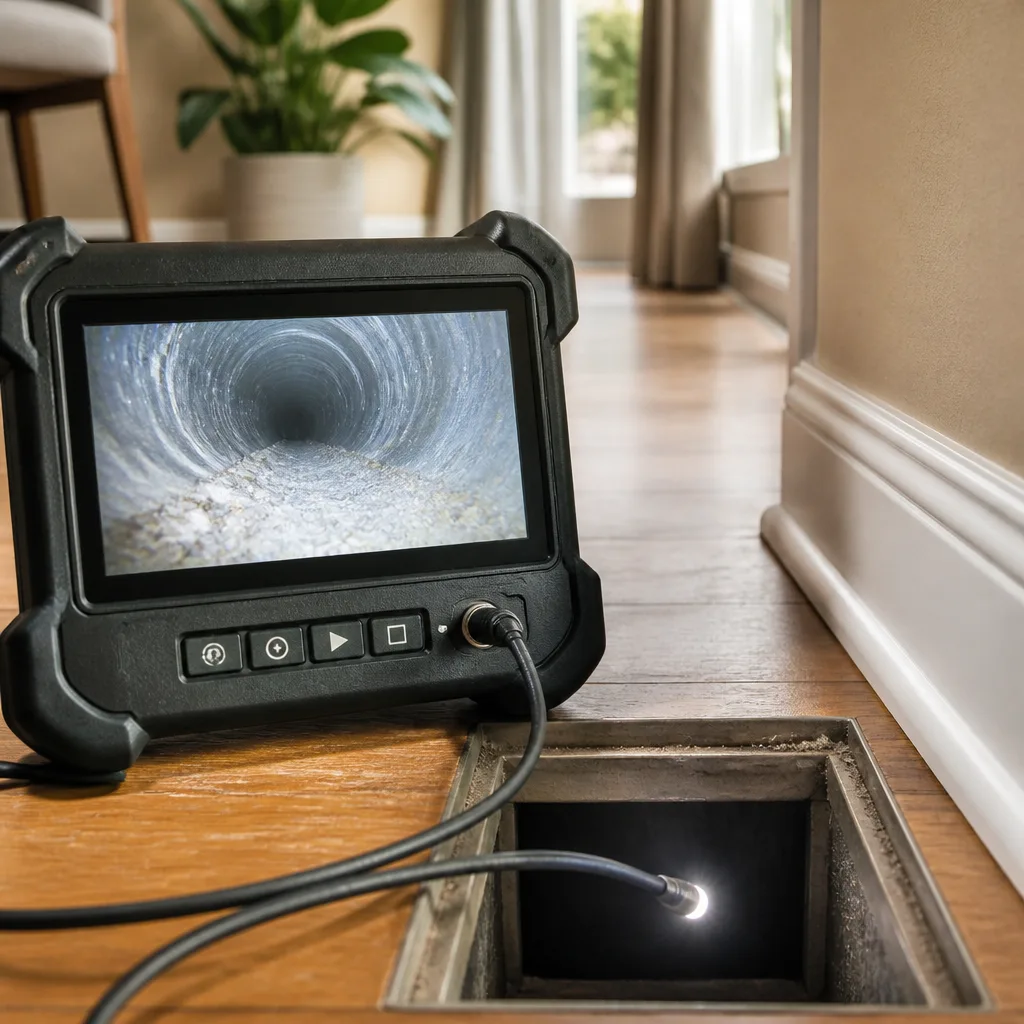 Camera inspection
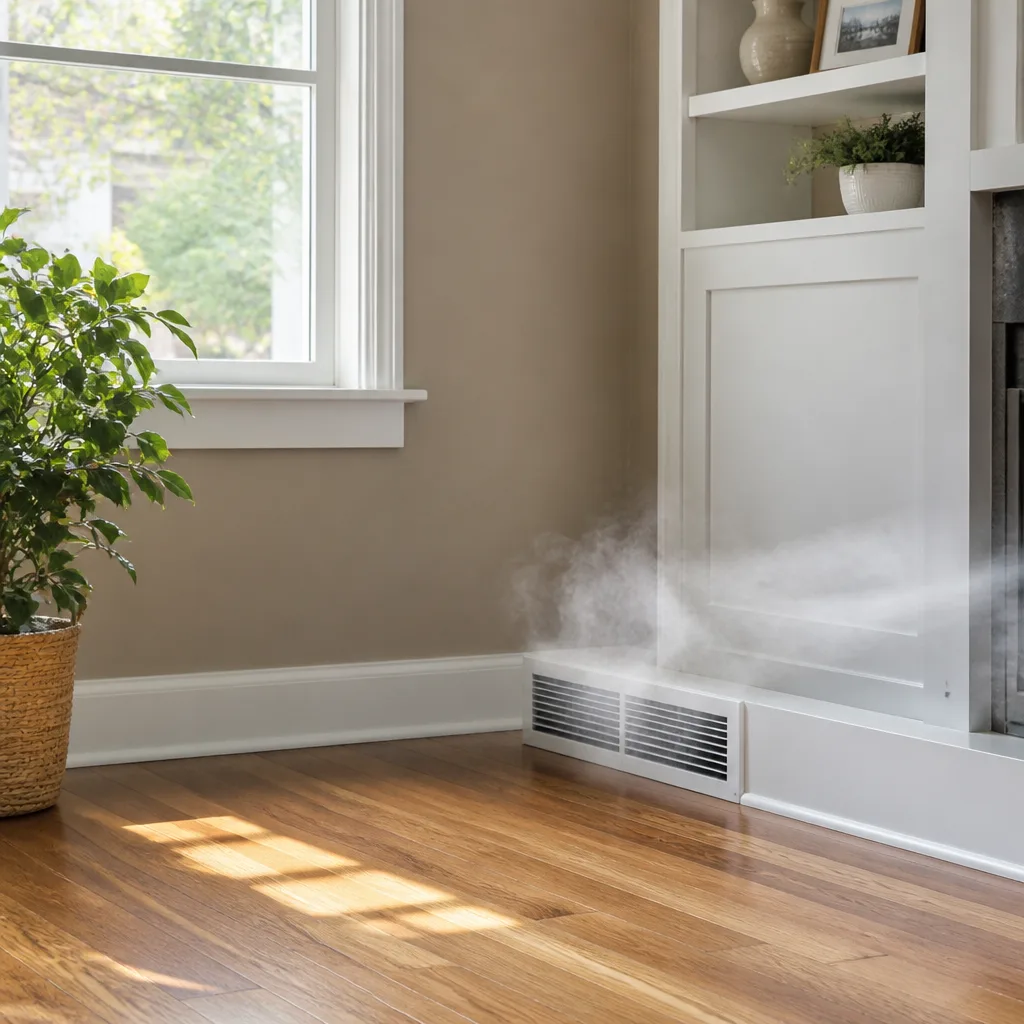 Sanitizing & deodorizing
Whole-system duct and dryer vent check with before-and-after photos - you see exactly what came out of your vents
That "$99 whole-house special" is a bait ad - the real number appears once they are in your hallway, or the "clean" is a shop-vac at the register. We photograph the inside of your ducts before and after instead.
Air Duct Cleaning Warning Signs: A Williamsburg Homeowner’s Reference Guide
By the time dust is visibly blowing from your registers, you’re not catching a problem early. You’re already dealing with a backlog that’s been building for months inside the ductwork. The signs most guides list, dust and musty odors, are late-stage indicators, which is why so many homeowners in Williamsburg discover a contamination problem only after it has spread through the entire system. This reference guide focuses on the quieter signals: the ones that show up in airflow, filter loading, odor timing, and register discoloration long before you notice anything obvious. We’ll walk through what each sign means, why it points to a specific problem, and when it’s time to bring in professional equipment.
Quick Answer
The earliest warning signs of a duct problem in Williamsburg are airflow asymmetry (one room running noticeably hotter or colder than the rest), filters that turn gray in weeks instead of months, odors that appear specifically when the system first kicks on, and dark tracking lines around supply registers. These signals point to contamination, blockage, or leaks upstream of the filter and warrant a professional inspection before the problem reaches the obvious dust-and-odor stage.
Styles & brands we work with
- Whole-home duct cleaning
- Dryer vent cleaning
- Camera inspection
- Sanitizing & deodorizing
Table of Contents
- Airflow Asymmetry: The Signal Most Homeowners Miss
- Filter Loading Rate: What Your Filter Is Telling You
- Odor Timing: Why “Only When It Kicks On” Matters
- Register Discoloration: Normal Dust vs. Bypass Tracking
- Post-Renovation Indicators in Williamsburg Homes
- How Williamsburg Housing Shapes Duct Problems
- Duct Leaks, Sealing, and Why Cleaning Alone Isn’t Enough
- How to Verify the Work Was Actually Done
Airflow Asymmetry: The Signal Most Homeowners Miss
One room is consistently warmer in summer, colder in winter, while the rest of the house behaves. Homeowners often assume the HVAC system is undersized or that the thermostat is inaccurate. In our experience, uneven airflow across rooms is more often a duct problem than an equipment-sizing problem. If a trunk line is blocked, a flex duct has collapsed, or a branch has disconnected at a fitting, the room at the end of that run loses its supply of conditioned air while every other room gets more than its share.
The trick is reading the pattern. A single room that never reaches temperature, especially one at the far end of a long run or above a garage, points at that branch of the system. Two adjacent rooms that are both underperforming suggest a section of trunk line is compromised. A whole floor that runs warm all summer may mean the return side is starved, not the supply side.
How to test it without a meter
- Close the door to each room for an hour and note the temperature with any thermostat or wall thermometer.
- Hold a tissue against each supply register. Compare how strongly it flutters from room to room. A weak flutter is a signal.
- Do the same at the return grille. A return that’s noticeably weaker than its neighbors can point at a blockage upstream.
- Write down the pattern. That mapping is the single most useful thing you can hand a technician when you call.
In Williamsburg, many homes were built with ductwork routed through unconditioned spaces or tight ceiling chases, and those runs are the ones most likely to have separated or crushed over the years. If you’ve ruled out a blocked filter and the pattern persists, a professional inspection of the duct runs themselves is the next step. Our technicians have up to 13 years of experience reading exactly this kind of airflow map.
Filter Loading Rate: What Your Filter Is Telling You
A MERV-8 filter in a well-running system should last somewhere in the 60- to 90-day range before it needs replacing. If yours is visibly gray within three weeks, the contamination source is upstream of the filter, meaning the ductwork itself. Ambient room air cannot load a filter that fast. That kind of loading happens when the system is pulling dusty, contaminated air from the duct cavity or the return plenum through the filter instead of from clean return air.
This is one of the earliest signals, and one of the most ignored, because it costs nothing to observe. The filter is doing its job. It’s just being asked to do far more of it than it should have to.
What different loading patterns mean
- Uniform gray across the whole filter in weeks: contamination is being drawn through the entire return path. A full duct inspection is warranted.
- One side or corner loading first: a compromised return connection or a leaky fitting near that side is pulling air from an unintended source.
- Heavy loading on the return grille itself, before the filter: the return cavity is dirty; cleaning the grille won’t fix it.
- Filter stays clean for months, but rooms still feel dusty: the contamination is bypassing the filter entirely, often through unsealed duct joints downstream.
If you’re seeing any of these patterns in a Williamsburg home, it’s worth scheduling an inspection before the next filter change. A professional cleaning with equipment like Rotobrush rotary brushes, which reach the interior walls of the duct rather than just pulling air through, is designed to remove the source rather than reset the clock on the next filter. You can read more about our air duct cleaning process for the full sequence of what that inspection covers.
Odor Timing: Why “Only When It Kicks On” Matters
A musty smell that lingers all day points at one set of causes. A musty smell that appears specifically in the first 30 to 60 seconds after the system kicks on, then fades, points at a different one. The timing is the diagnostic. If the odor is concentrated in the startup window, you’re smelling accumulated debris heating up at or near the heat exchanger, or the initial rush of air passing over a contaminated surface deep in the ductwork.
In the heating season, that first burst of warm air drives off volatile compounds from the dust and organic material that has settled on the exchanger and its surroundings. In cooling season, the same burst passes over an evaporator coil that may be holding moisture and microbial growth. The smell follows the air, and the air comes from the duct.
Reading the timing
- Odor in the first minute, then gone: debris on or near the heat exchanger or evaporator coil. Highly actionable.
- Odor that comes and goes with weather: moisture cycling in the ductwork or the coil pan.
- Odor only in certain rooms: local contamination or a disconnected run pulling from a wall cavity or crawl space.
- Chemical or adhesive smell after work in the house: post-renovation dust and vapors pulled into the return; common in Williamsburg homes after renovation.
Odor timing is one of the reasons we treat sanitizing as a separate service step. Cleaning removes the physical debris; sanitizing addresses the microbial growth and odor source that survive on the duct surfaces. Guardsman-grade cleaning and protection products are part of that process, and the two steps together are what actually changes what you smell, not just what you see.
Register Discoloration: Normal Dust vs. Bypass Tracking
Every supply register collects some dust. A thin, even film that wipes off easily is normal settling, and nothing to act on. What matters is the pattern. Dark tracking lines, or streaks radiating from the perimeter of the grille or along its fin edges, are a different signal. Those lines are formed by air moving at a different velocity or direction than the main airstream, and they typically indicate a duct connection that isn’t tight. The system is pulling bypass air from a return cavity or a wall void every time it runs, and that bypass air is depositing what it carries right at the register face.
If you can trace a shadowy outline around the register frame with your finger, and the dust seems to grow back within days of wiping it, the register isn’t the problem. The supply connection behind it is. This is one of the clearest visual signs available and one of the least understood.
What to look for
- Even film on the grille face: normal dust settling.
- Dark outline or halo around the register frame: bypass air filtering through a gap.
- Streaking between fins: irregular airstream direction, often a damaged or loose connection.
- Discoloration on the ceiling or wall within a foot of the register: possible leakage from the boot or connector.
This is where cleaning and repair have to be done together. Cleaning the duct removes the source contamination, but if the loose connection stays loose, the bypass tracking comes right back. Our duct repair and sealing service exists because we’ve seen the pattern enough times to know that the register is telling you about a fitting you can’t see.
Post-Renovation Indicators in Williamsburg Homes
Renovation is the single most common trigger for the duct problems we inspect in Williamsburg. Drywall dust is far finer than the dust the system was designed to handle. It hangs in the air for hours, it settles into open ductwork, and it slips through filters that would catch ordinary household dust. When you cut into a wall or ceiling and open a duct run in the process, construction debris, drywall scrap, and insulation fragments can end up inside the duct cavity.
The signals to watch for after a renovation are specific:
- Visible drywall dust inside the return grilles. Shine a light in with the system off. If you see a white powder coating on the grille fins or the duct behind them, the dust has already entered the system.
- Construction adhesive or paint smell from the supply registers. This means solvent vapors have been drawn into the return and are being distributed through the house. It’s a sign the duct air path picked up far more than dust.
- Spiking allergy symptoms in otherwise healthy occupants. If family members who had no prior sensitivity suddenly complain of itchy eyes or congestion within a week or two of renovation, the timing points at the ducts.
- A filter that loads within days of the renovation ending. This is the same upstream-contamination signal described earlier, just at a home in the middle of active work.
The fix is a full cleaning of the supply and return runs after the work is finished, plus a sealing pass on any duct connections that were opened during the renovation. Professional filtration equipment like Abatement Technologies is the right standard for this kind of post-construction debris because the load is heavier than typical household dust and needs negative-air capture during the cleaning. If you’re planning a renovation, having the ducts inspected on the back end is the single most useful thing you can schedule. For the full range of services that fit around renovation work, see our air duct cleaning Williamsburg hub.
How Williamsburg Housing Shapes Duct Problems
Williamsburg has a huge variety of building stock, and the age and construction of the house change what duct problems look like. Older row houses and brownstones often have ductwork retrofitted into spaces that weren’t designed for it: low ceiling chases, wall cavities shared with plumbing, and short runs between floors. Those runs are the first to crush, kink, or disconnect when a wall is opened for something else, and the first to show the airflow asymmetry described above. They’re also the hardest to inspect, which is why a technician who understands the housing type matters more than the cleaning equipment alone.
Newer condo and apartment buildings in Williamsburg tend to have smaller, tighter duct systems, more shared plenum space, and a much higher ratio of returns to supplies. In that layout, a single clogged filter or a single compromised return can starve two or three rooms at once. The visible signs are less local, and the odor signal (startup-only) is often the first thing the occupant notices.
Converted commercial buildings add a third pattern: the ductwork was sized for a retail or workshop footprint, not residential occupation. The system may move far more air than a house needs, which masks flow problems until the contamination is well advanced. If your Williamsburg home doesn’t match any of those patterns, that’s useful information in itself, and a technician can usually tell from a short walkthrough which category your building falls into. You can see the broader picture on our Williamsburg air duct cleaning page.
Duct Leaks, Sealing, and Why Cleaning Alone Isn’t Enough
Most duct problems in Williamsburg aren’t just a dirty-duct problem. They’re a leaking-duct problem, or a disconnected-duct problem, or a damaged-duct problem. Cleaning removes the contamination, but if the duct itself has a gap or a crushed section, the contamination comes back. This is the single biggest difference we see between a thorough service and a vacuum run through the registers.
Air leaks in a duct system cost energy and degrade air quality in two directions. They let conditioned air escape into walls and attics (so the system runs longer and harder), and they pull unconditioned air into the supply, which is where most of the dust, allergens, and odors originate. Sealing the leaks is what makes the cleaning durable.
What a repair-and-seal pass involves
- Locate the leaks. A visual inspection of every accessible joint, plus a pressure test or a smoke test on runs that are hidden behind drywall.
- Repair structural damage. Reconnect separated runs, replace crushed flex sections, and patch damaged rigid duct.
- Seal the joints. Mastic or foil tape on accessible joints and connections, sized to the duct material.
- Re-test the airflow. Confirm that the rooms that were underperforming have regained their supply.
We offer duct repair and sealing alongside cleaning for exactly this reason. If you’re calling about a cleaning, the same visit can address the leak pattern. Our technicians use Rotobrush and Nikro equipment for the cleaning side and add the repair and sealing work where the inspection calls for it. For homeowners who also want a hybrid approach, our HVAC cleaning service covers the system components beyond the ducts themselves, including the equipment that moves and conditions the air.
How to Verify the Work Was Actually Done
The most common complaint we hear about the duct cleaning industry is that the work was quoted one way and delivered another, or that the customer never saw evidence the ducts had been cleaned at all. The way to avoid that is to know in advance what you should expect to see at the end of the job. A professional service gives you something to check.
What to ask and check
- Before-and-after photos of the ducts themselves. Ask for them up front, before any work starts. Any professional service can provide them.
- A written scope of work and a per-system price. The price should be per system, not per vent, and it should be agreed before any technician starts.
- Evidence of the equipment used. Rotary brush systems like Rotobrush and negative-air vacuums like Nikro are visibly different in operation from a shop vacuum. Ask which equipment will be on site.
- A walkthrough at the end. A short pass with the technician to show that each register has been cleaned and that nothing has been left disconnected.
- A written scope for any repair or sealing. If the technician recommends repair, the scope and the reason should be in writing before the work is done.
When you call, ask about the process. Any hesitation on the photo or the per-system price is a sign to keep looking. We’ve been called into a lot of situations where the previous service was a shop-vac pass through the registers and nothing more, and we’d rather you know the difference before you spend the money.
Common Mistakes to Avoid
- Treating a filter change as a fix. A new filter that loads within weeks is a symptom, not a solution. The source is upstream, and a filter swap just resets the clock. Pull the filter and look at it before you replace it.
- Assuming a hot room needs a bigger HVAC unit. In most Williamsburg homes, the room is hot because the duct run is compromised, not because the unit is undersized. Replacing equipment without checking the ducts is where the money gets wasted.
- Ignoring the startup odor. A musty smell in the first minute is the clearest sign you’ll get of contamination near the heat exchanger or coil. Waiting for it to become an all-day smell means waiting too long.
- Skipping the inspection after renovation. Drywall dust and construction debris in the return are the number one cause of early filter loading we see. Have the ducts cleaned and inspected on the back end of any renovation, not the front.
- Booking per-vent pricing without a scope. A low per-vent price can end up higher than a per-system price once the technician is on site. Ask for the whole-system number and the written scope before you book.
- Cleaning without sealing. A cleaned duct system with an unsealed leak re-contaminates quickly. If the inspection finds gaps, the repair should be part of the same visit.
- Wiping registers instead of inspecting them. The dust on the face of the grille is the least useful information. The tracking lines around the frame and any dust behind the grille are what tell you whether the system has a leak.
See the difference
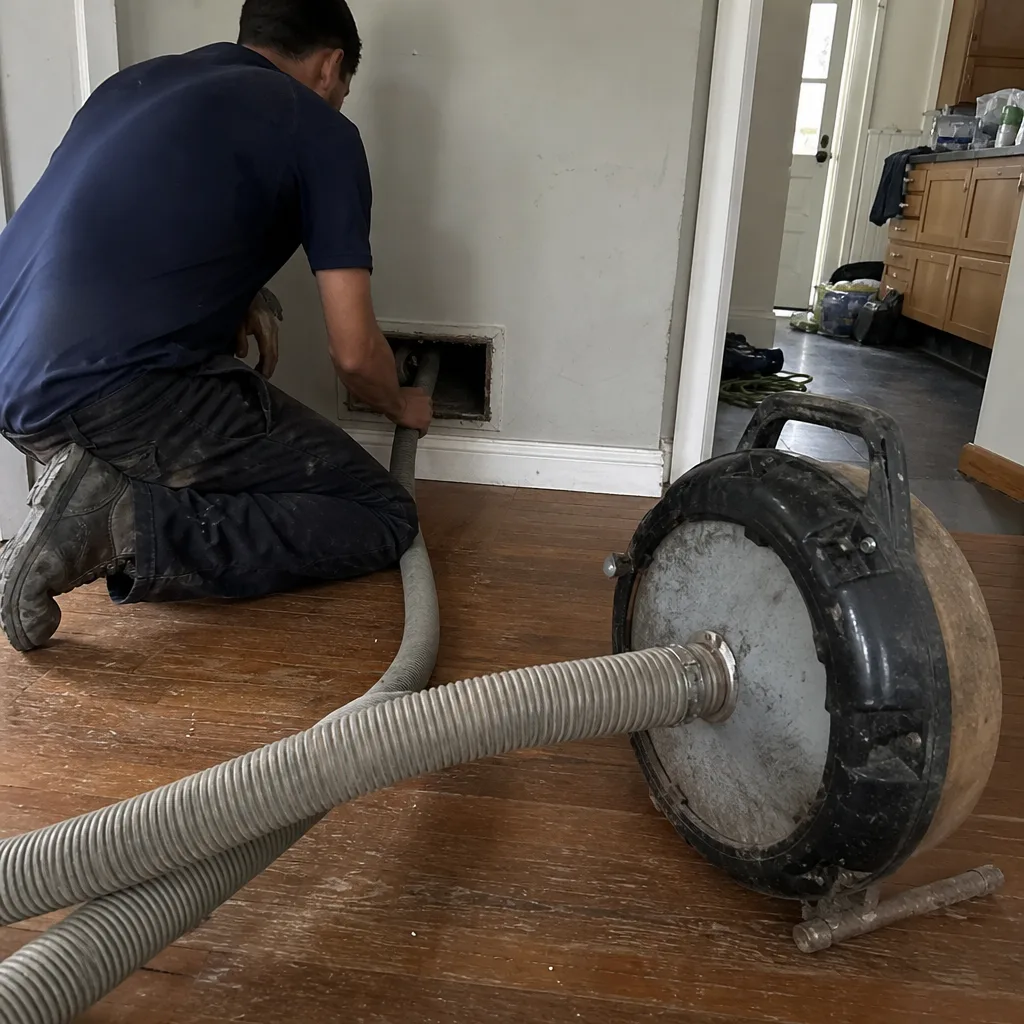 Before
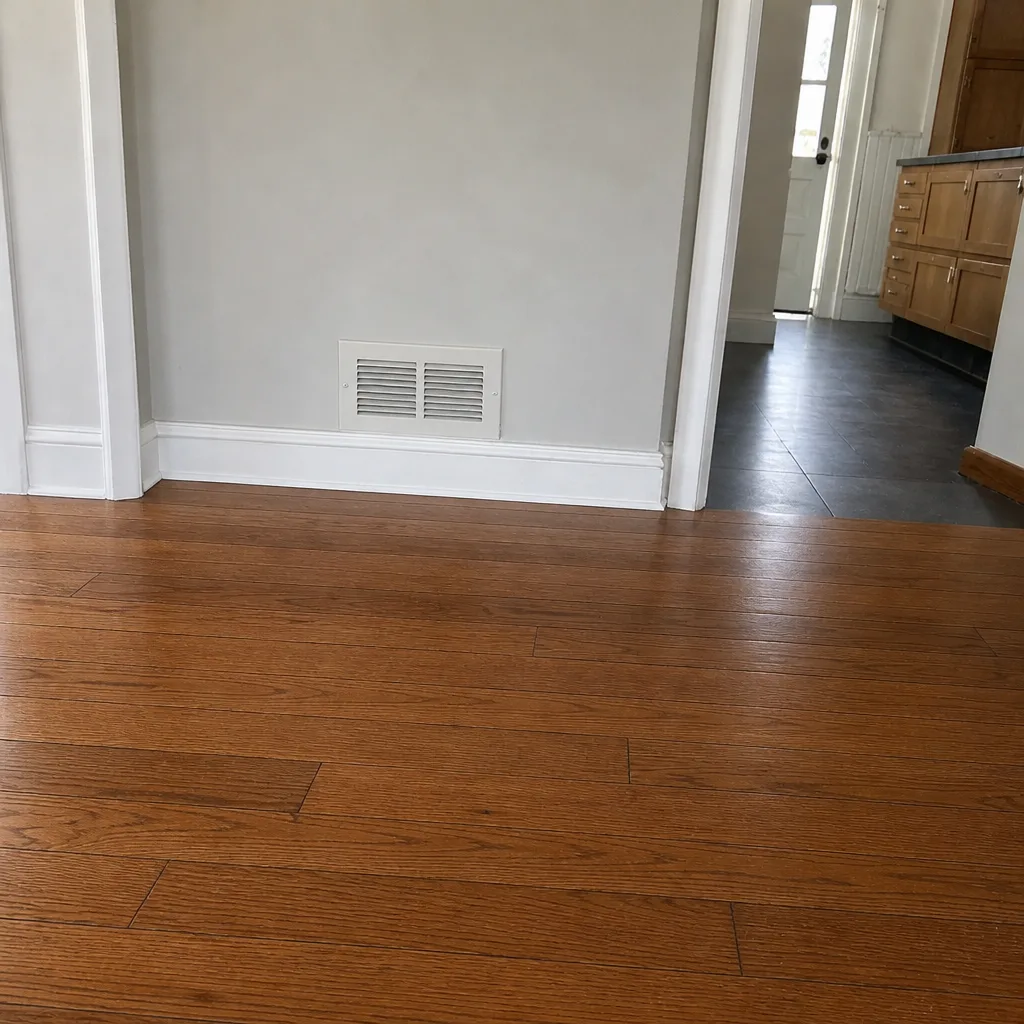 After
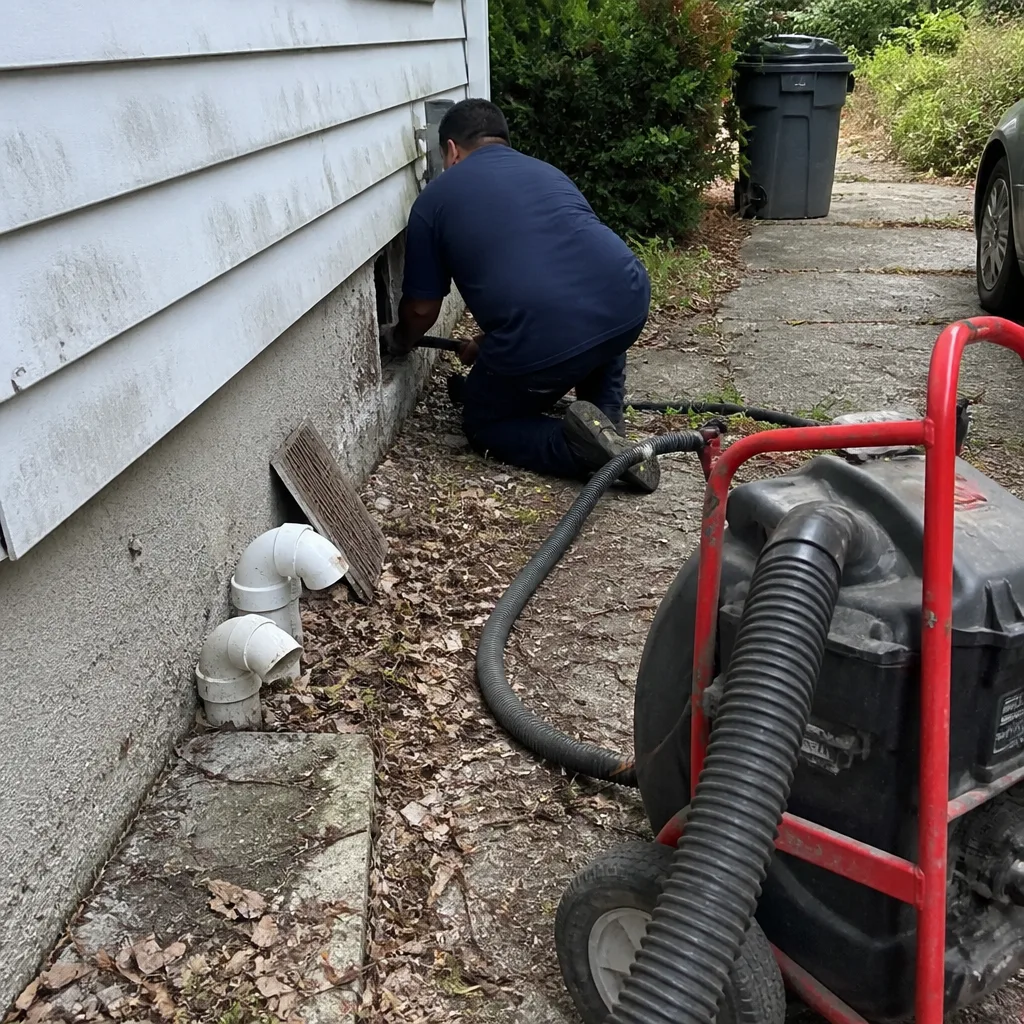 Before
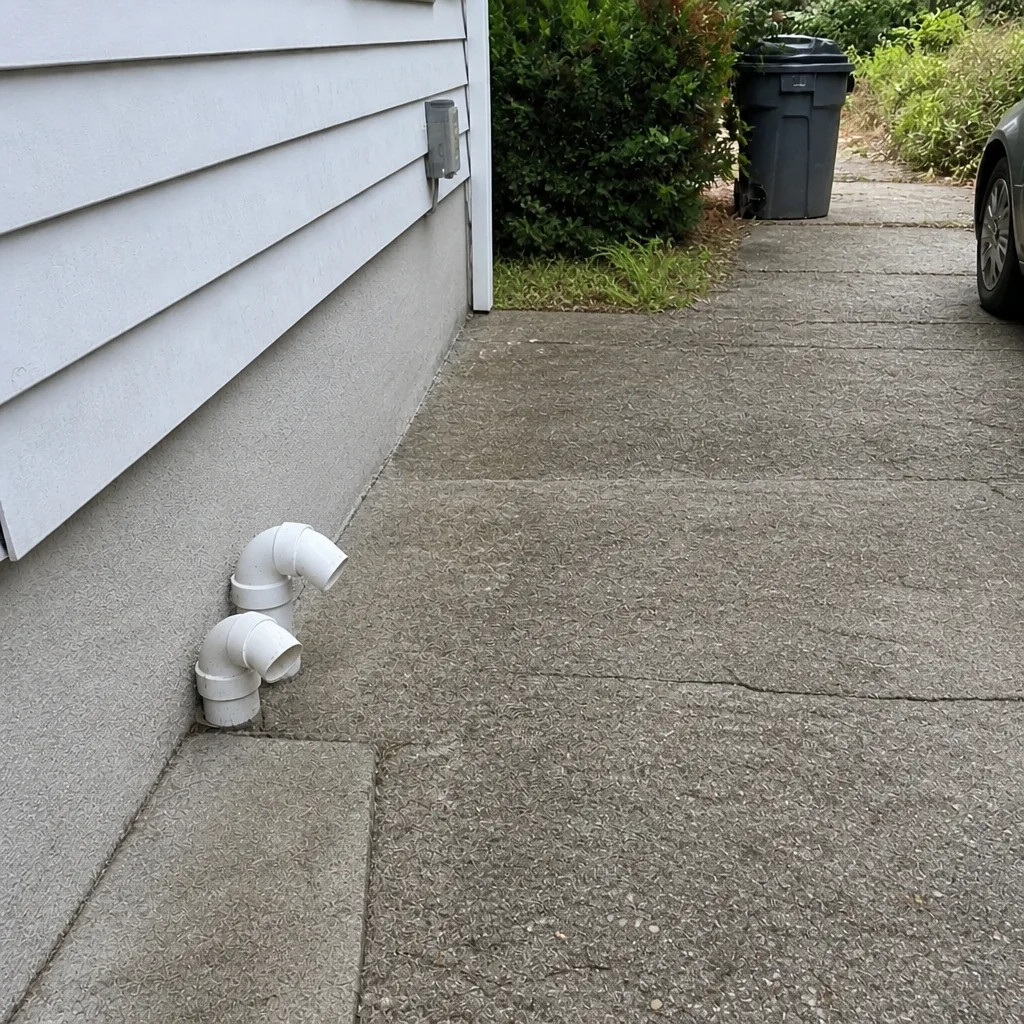 After
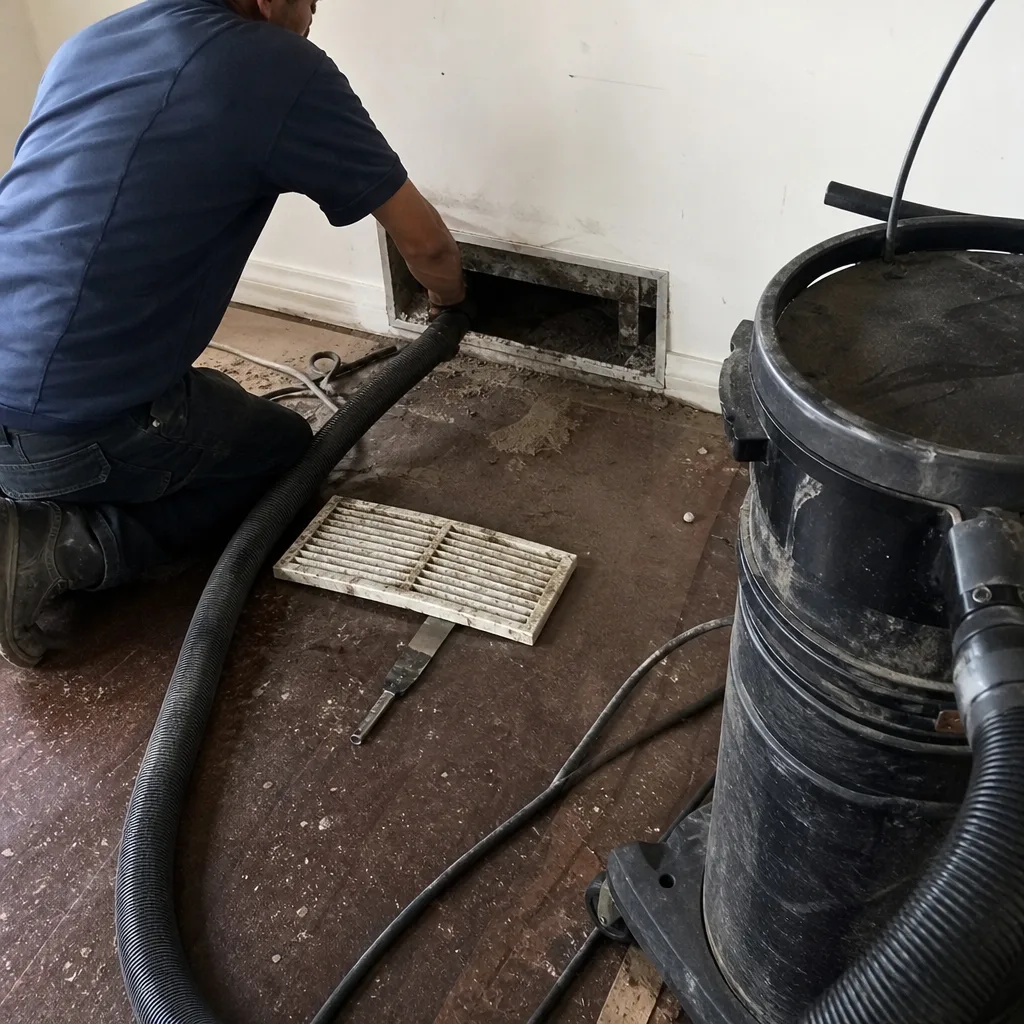 Before
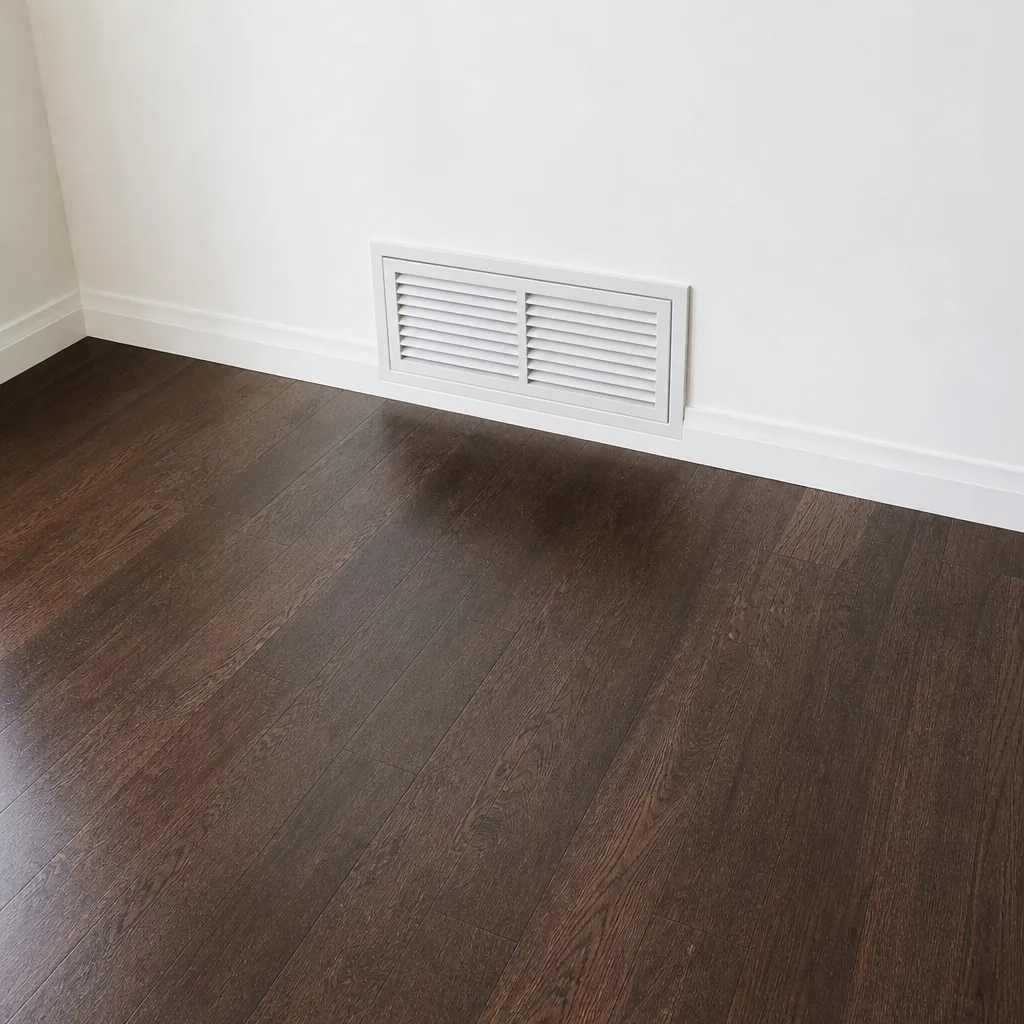 After
When to Call a Professional
If you’re seeing any two of the signals in this guide, an inspection is worth scheduling. The strongest triggers are airflow asymmetry that’s persisted across a season, a filter that loads in weeks instead of months, an odor that appears specifically at system startup, or visible drywall dust in the return grilles after renovation. A professional inspection with the right equipment will tell you what’s actually happening in the ductwork, what the source is, and whether cleaning, repair and sealing, or both are called for. Air Duct Cleaning Williamsburg offers free estimates in Williamsburg. Call (833) 508-9915. We answer 24/7. Fast dispatch from 7am to 7pm, Sunday through Friday.
Frequently Asked Questions
The earliest signs are airflow asymmetry, filters that load in weeks instead of months, odors that appear only in the first minute after the system kicks on, and dark tracking lines around the register edges. Visible dust and persistent musty smells are later-stage indicators. If you notice any of the early signals, schedule an inspection. Call (833) 508-9915 for an exact quote. Estimates are free.
Most homes benefit from an inspection every few years, with actual cleaning driven by what the inspection finds rather than a fixed calendar. Homes with pets, recent renovations, allergy-sensitive occupants, or a history of filter-loading issues tend to need it more often. The honest answer is that the housing type matters, and a quick inspection tells you more than a general schedule would. Call (833) 508-9915 for an exact quote. Estimates are free.
The cheapest quotes are usually per-vent prices that don’t cover a whole-system scope, and the final invoice can run higher than a per-system quote once cleaning, repair, and sanitizing are added on site. A professional service quotes one flat price per system before work starts, includes before-and-after photos, and tells you what the inspection found in writing. Call (833) 508-9915 for an exact quote. Estimates are free.
Ask for before-and-after photos of the ducts themselves before the visit, confirm the written scope and the per-system price up front, and walk through the registers with the technician at the end of the job. A brief inspection pass after cleaning is standard for any professional service. Call (833) 508-9915 for an exact quote. Estimates are free.
Often yes, but not always. A startup-only odor usually points to accumulated debris at or near the heat exchanger or coil, which cleaning addresses directly. If the coil itself has microbial growth, sanitizing is a separate step and is needed alongside the cleaning to change what you smell. Our air quality and sanitizing service covers that second step. Call (833) 508-9915 for an exact quote. Estimates are free.
Usually yes, because drywall dust and fine debris travel through the air and settle into any duct that was open at any point during the work, even briefly. Covering helps, but a post-renovation inspection of the return grilles is the only way to know. If you can see white dust inside the return fins, the ducts should be cleaned. Call (833) 508-9915 for an exact quote. Estimates are free.
Duct cleaning and dryer vent cleaning are separate services, but they share the same principle: every pathway that moves air through the home should be clean and clear. If you’re already scheduling a duct visit, having the dryer vent checked at the same time makes sense. Our dryer vent cleaning service covers that side of the system. Call (833) 508-9915 for an exact quote. Estimates are free.
The Bottom Line
The most valuable warning signs in Williamsburg are the ones that show up before you can see dust or smell a steady musty odor. Airflow asymmetry tells you a duct run is compromised. Filter loading rate tells you the source of contamination is upstream. Odor timing tells you where the contamination sits. Register discoloration tells you whether the duct connection is tight. Post-renovation drywall dust and adhesive smells tell you the ducts need a cleaning even if nothing else looks wrong. Read the pattern, write down what you find, and bring that information to a professional inspection. Cleaning, repair and sealing, and air quality sanitizing all belong on the same visit when the signs add up.
If you’re seeing these signals in your Williamsburg home, call (833) 508-9915 for a free estimate. We answer 24/7. Fast dispatch from 7am to 7pm, Sunday through Friday.
Written by the team at Air Duct Cleaning Williamsburg.