
Last updated November 22, 2026
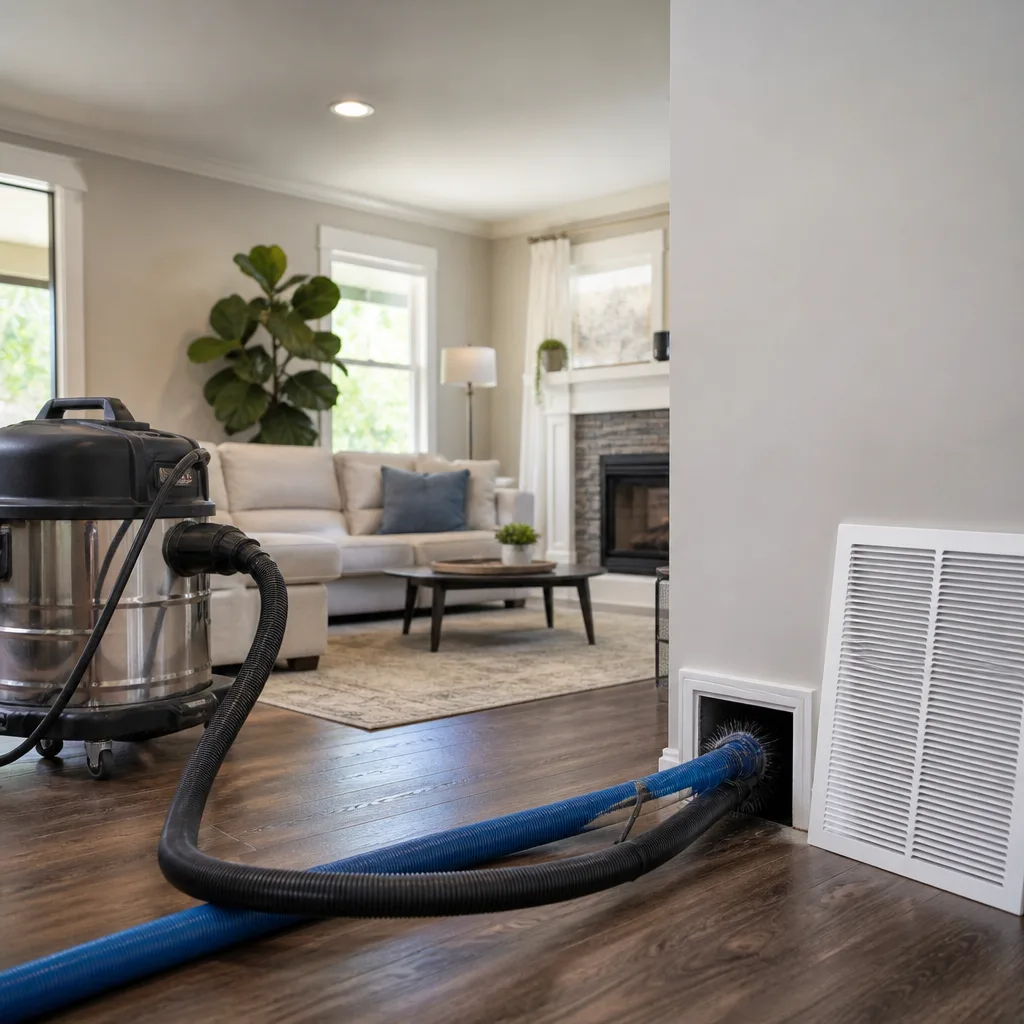 Whole-home duct cleaning
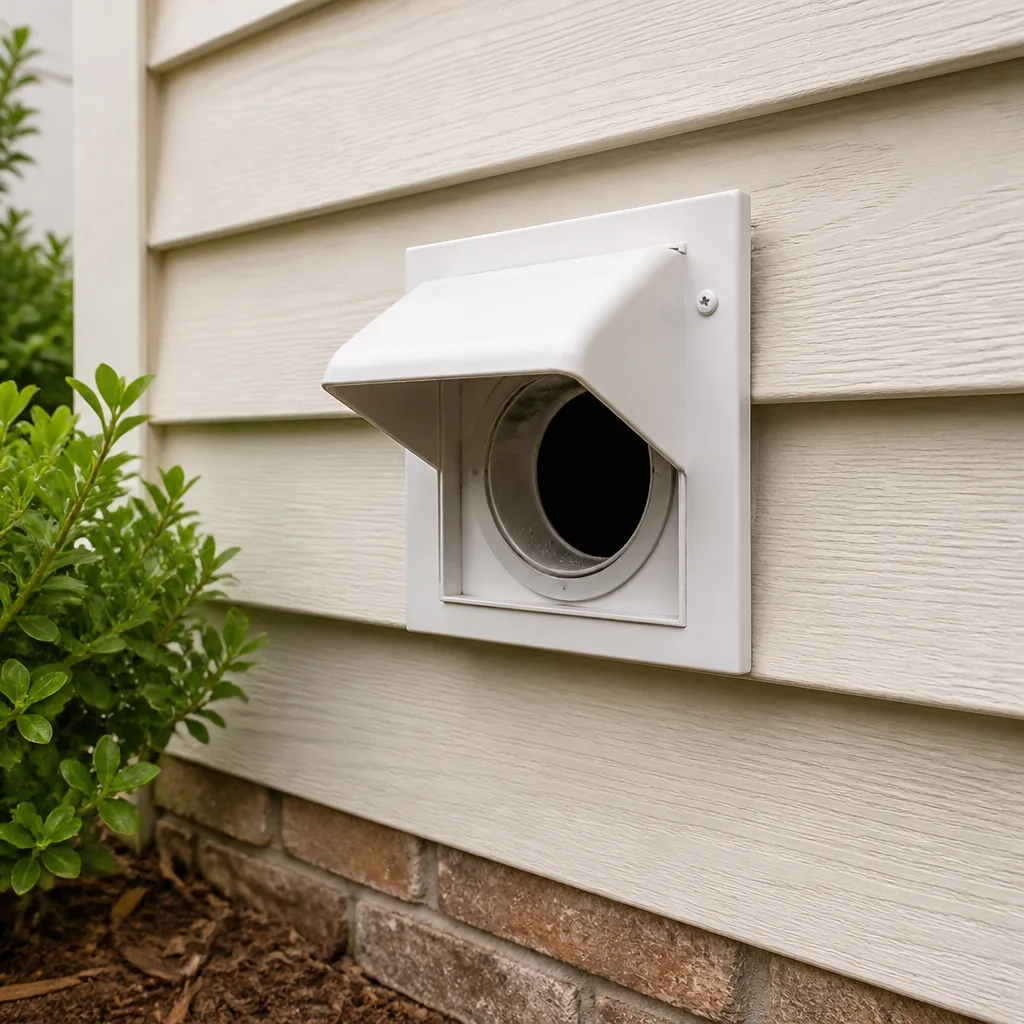 Dryer vent cleaning
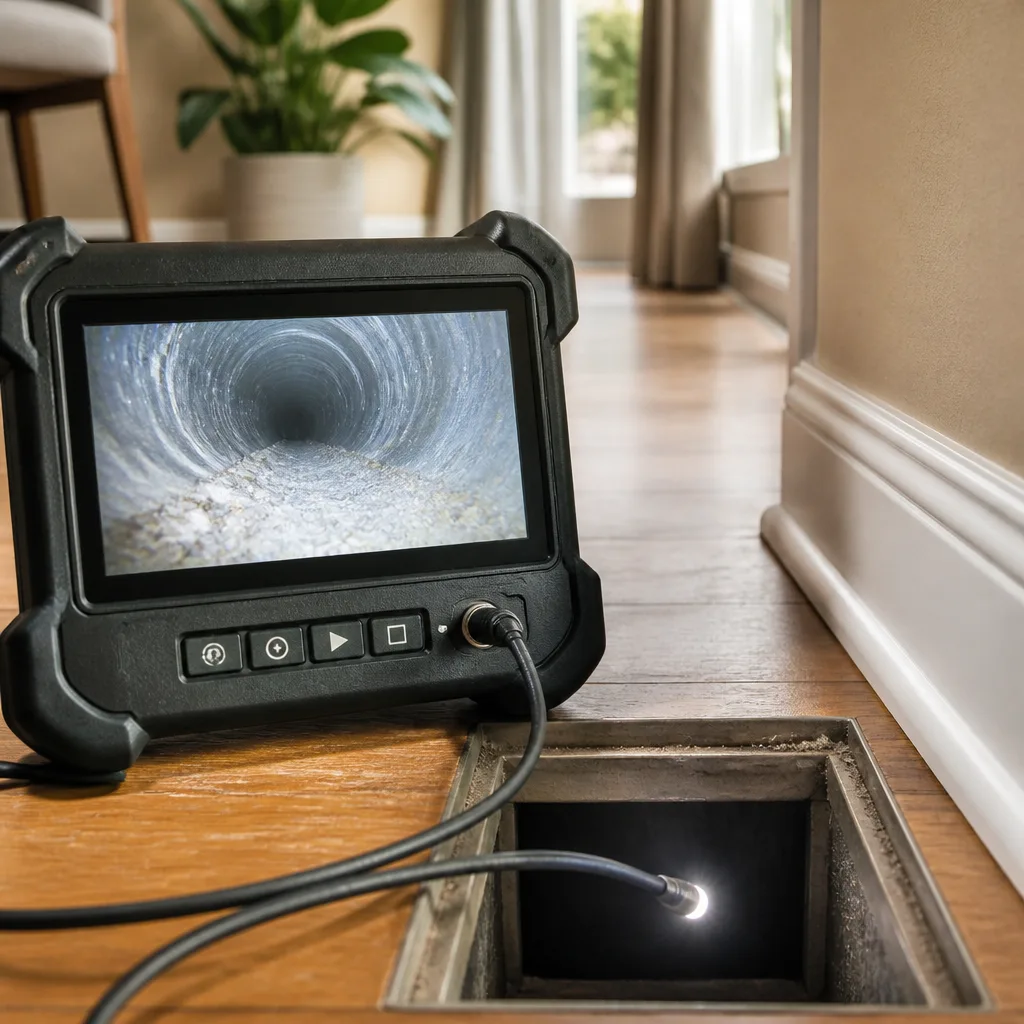 Camera inspection
 Sanitizing & deodorizing
Whole-system duct and dryer vent check with before-and-after photos - you see exactly what came out of your vents
That "$99 whole-house special" is a bait ad - the real number appears once they are in your hallway, or the "clean" is a shop-vac at the register. We photograph the inside of your ducts before and after instead.
Air Duct Cleaning Troubleshooting in Williamsburg: Common Problems and How to Fix Them
If your ducts were cleaned six months ago and you’re still wiping dust off surfaces weekly, the problem isn’t how recently they were cleaned. It’s that the root cause was never identified. Most people treat duct cleaning as a reset button: pay once, breathe clean air, done. But a vacuum pulls debris out of a system that’s still leaking, still bypassing its filter, still pushing air through a torn liner. What comes back is not a cleaning failure. It’s a system failure nobody diagnosed. This guide teaches you to read what your ductwork is actually telling you, from the tissue-paper test at your registers to the meaning of a musty smell that survives a cleaning. We’ll walk through the common problems we troubleshoot in Williamsburg homes and how each one points to a specific fix.
Quick Answer
Most recurring duct problems in Williamsburg are not caused by dirty ducts alone. They come from duct leakage, filter bypass, torn interior liner, or unbalanced airflow between branches, and each of those needs repair or sealing, not another vacuum pass. Troubleshoot in this order: check airflow at each register with the tissue test, look at the filter fit, and find where dust returns after a cleaning. If dust, odor, or uneven airflow comes back, the fix is usually sealing, liner repair, or a section replacement.
Styles & brands we work with
- Whole-home duct cleaning
- Dryer vent cleaning
- Camera inspection
- Sanitizing & deodorizing
Table of Contents
- Is It Dirty Ducts or Leaking Ducts? The Tissue-Paper Test
- Why Only Some Rooms Stay Dusty After a Cleaning
- Why Musty Odors Come Back After Cleaning
- Filter Bypass: The Re-Contamination Problem Nobody Checks
- What Negative-Air Equipment Actually Does During Service
- When a Finding Should Escalate from Cleaning to Sealing or Replacement
- Dryer Vent Symptoms That Look Like Duct Problems
- How to Verify the Work Was Actually Done
Is It Dirty Ducts or Leaking Ducts? The Tissue-Paper Test
Here’s the first thing to understand: a dirty duct and a leaking duct look almost identical from inside your house. Both leave dust on the return grille. Both can make a room feel stale. The difference is that a dirty duct is a cleaning problem and a leaking duct is a pressure problem, and until you know which one you have, you’re guessing.
You can run a useful test yourself. Take a single square of tissue paper, hold it against the face of a supply register while the system fan is running, and let go.
- If the tissue clings to the grille and stays put, air is being pushed out with real pressure. That register is feeding properly.
- If the tissue flutters and falls away, the register is starved of air. Something upstream is losing pressure before it gets there.
- If the tissue gets pulled toward the grille from a few inches away, you have a strong return or an unusually high-flow supply, which is fine in itself but worth noting.
- Repeat at every supply register in the house and write down which ones hold and which ones fail. The pattern matters more than any single result.
What you’re looking for is inconsistency. If most registers hold the tissue tight and two flutter, you don’t have a whole-house dirt problem. You have leakage or a blockage on the branch feeding those two registers. In Williamsburg, the housing stock is a real factor here: a lot of homes are older masonry buildings where renovation over the decades added rooms, dropped ceilings, and new supply runs that were never balanced against the original system. That kind of layered retrofit is where airflow problems hide, because each addition was sized for itself, not for the whole.
If three-quarters of your registers fail the test, the issue is upstream of the branches, likely a restricted filter, a failing blower, or a collapsed main trunk. That’s a different call, and it’s worth having a technician look at the whole system. We’ve seen enough of these to tell the difference quickly with the right equipment. For a full overview of how a professional cleaning works, see our Air Duct Cleaning Williamsburg page.
What the tissue test tells you
- All registers hold: airflow is healthy, so any dust problem is contamination, not pressure. Cleaning is the right answer.
- A few registers fail: branch-level leakage, a disconnected run, or a closed damper. Investigate that branch specifically.
- Most registers fail: system-level restriction. Look at the filter, the blower, and the main trunk before anything else.
- One room is cold or stuffy but its register holds: that points to a return-air problem, not a supply problem. The room can’t get rid of air, so it can’t take new air in.
The test takes about ten minutes and saves you from paying for the wrong service. If you’re unsure how to read the results, call us and describe the pattern. It’s one of the fastest diagnostic conversations we have with Williamsburg homeowners.
Why Only Some Rooms Stay Dusty After a Cleaning
When one or two rooms stay dusty after a full cleaning, the cause is almost always found in one of three places: a specific branch, a return-air gap, or a room sealed off from the rest of the system.
Start with the branches. A duct system is a tree. The main trunk splits into branches that feed individual rooms, and every split has a takeoff fitting. Those fittings are where leakage concentrates, because each one is a joint, and joints move, dry out, and separate over time. A leaky takeoff doesn’t just lose air; it draws air from whatever space it’s sitting in. If that space is a wall cavity or a basement, the room downstream gets a mix of conditioned air and whatever dust the cavity contains. That’s why the dust keeps coming back in that one room no matter how many times it’s wiped.
Next, look at the return path. Every room needs a way for air to leave as well as enter. In old Williamsburg homes, return ducts were often added later, or the room was retrofitted with a door undercut that isn’t wide enough to pass the supply air back out. When a room can’t return air, it pressurizes slightly, and the supply duct serving it sees higher resistance. The result is weak flow, more settling dust, and a room that always feels a little stale.
Then consider a related possibility: an unsealed segment. A run that has come loose at a joint, or a section that pulled apart behind drywall, dumps conditioned air into the structure and pulls in dust from the cavity at the same time. This is where a general HVAC cleaning inspection during the same visit pays off, because the technician can trace the branch from takeoff to register and see where the path breaks.
Map the rooms to the branches
- List the problem rooms and the registers that feed them.
- Find which branch or branches feed those registers. In most homes, a single branch feeds two or three rooms.
- Note whether the problem rooms share a branch or share a return.
- If they share a branch, suspect that branch’s takeoff fitting and run for leakage.
- If they share a return, suspect the return path, not the supply.
- If a single room fails alone, suspect that room’s own run or its door undercut, not the trunk.
This mapping is the kind of thing that separates a real diagnosis from a guess. A good duct service should be willing to trace the branches and tell you what it finds. Our air duct cleaning work always includes this inspection step before anyone starts cleaning.
Why Musty Odors Come Back After Cleaning
A musty smell that returns after a cleaning is not a sign that the cleaning was incomplete. It’s a sign that the moisture source inside the duct system was never addressed, and that source is usually the liner or the insulation, not the dust.
Here’s the mechanism. Many duct systems, especially older ones in Williamsburg, use fiberglass-lined interior insulation or flexible duct with an internal plastic liner. That liner can tear, delaminate, or sag after years of temperature cycling and airflow. Once it’s damaged, the exposed fibrous material holds moisture. Dust settles into it. And the moisture-plus-dust combination gives microbial growth a place to establish, right where the airflow passes every day. A rotary brush cleaning can remove surface dust from the duct walls, but it can’t repair a torn liner, and in some cases brushing a damaged liner makes it worse by fraying the edges further.
If the musty smell lives in one or two rooms, the damaged liner is probably in the branch serving those rooms. If the smell is strong at the return grille or the main trunk, the damage is likely upstream of the branches.
This is where sanitizing becomes more than a finishing step. A dedicated air quality treatment using Guardsman-grade products can knock down the microbial load, but it only holds if the damaged liner is repaired or replaced. That’s why the fix is often a two-part job: sanitize to resolve the current problem, then repair or replace the damaged section so the moisture has nowhere to settle. In our experience, odor complaints that come back after a plain cleaning almost always point to this combination.
What to look for when you open the grille
- Flaking or peeling material: a failing liner. Replacement is usually the answer.
- Dark staining along one side: past moisture or a leak upstream. The clean itself won’t fix it.
- Visible mold: treat as a contamination problem, not a dirt problem. Use a professional air quality treatment with the right equipment, and address the moisture source first.
- Musty smell only when the system runs: the microbial load is in the duct path, not the room. Cleaning plus sanitizing is the right call.
- Musty smell all the time: the source may be outside the ducts, in a crawlspace or wall cavity. Worth ruling out before cleaning.
Air quality and sanitizing is a service step we take seriously, using professional products rather than a fragrance or a spray-on freshener. For the full process, our guide to air duct cleaning lays out each stage.
Filter Bypass: The Re-Contamination Problem Nobody Checks
Filter bypass is the single most common reason ducts get re-contaminated between service visits, and it’s almost never checked by the homeowner. The idea is simple: your HVAC filter only works if all the air actually goes through it. If the filter doesn’t seal tightly in its slot, air takes the path of least resistance around the filter edges, carrying unfiltered dust straight into the evaporator coil and downstream into the supply ducts.
In Williamsburg homes, filter bypass shows up for a few predictable reasons. Filter slots in older air handlers are often a rough sheet-metal frame with no gasket. The homeowner inserts a filter that’s a quarter-inch undersized, and air sneaks around all four edges. In some systems, the filter is in a return plenum with no frame at all, so air simply flows over the top of the filter rather than through it. And in tight basements or closets, the filter may be sitting at an angle, leaving a gap at one edge.
How to check for filter bypass
- Turn the system off at the thermostat before touching the filter.
- Slide the filter out and look at the frame or slot it sits in. Look for dust streaks around the outside edge of the filter itself. Streaks mean air was passing around it.
- Inspect the filter slot for gaps wider than the thickness of a credit card.
- Look at the blower compartment and coil for dust accumulation, which is the downstream evidence of bypass.
- Note whether the filter is the right size and clean. A dirty filter is easier to spot; a loose one is not.
If you find bypass, the fix is usually small: a correctly sized filter with a well-fitted frame, or a gasket-sealed filter holder. In some systems, a Honeywell or Aprilaire filter cabinet makes the whole thing cleaner, because it’s designed to hold the filter with a proper seal rather than a friction slot. This is one of the air quality upgrades we recommend at the point of service, because it closes the loop between cleaning and staying clean. A filter that fits is not a luxury; it’s the difference between a system that stays clean and one that re-soils its own ducts every month.
If you’ve noticed a dusty blower or coil, the right sequence is a proper HVAC cleaning followed by fixing the bypass, then a fresh filter. Cleaning without fixing the seal just repeats the problem.
What Negative-Air Equipment Actually Does During Service
One of the troubleshooting questions we get most often is how to tell whether a duct cleaning was done properly. The answer usually comes down to one piece of equipment: the vacuum and the negative-air setup. Not the noise, not the truck in the driveway, but whether the system was held under negative pressure while the ducts were mechanically agitated, so the debris went into a HEPA-rated machine rather than into your living room.
Here’s how a proper job is built, in our process:
- Inspection first. Identify the branch layout, the filter and coil location, and any obvious damage before the equipment goes on.
- Connect a negative-air vacuum to the main trunk. Nikro vacuum and negative-air equipment is what we use to pull the entire system to below room pressure, so anything loosened inside the ducts travels toward the machine, not into the room.
- Use a rotary brush system (we use Rotobrush) to mechanically agitate the duct walls and the branch runs. The brush reaches surfaces a straight vacuum cannot, and the rotation lifts stubborn deposits off the duct wall.
- Contain the work area. Abatement Technologies air filtration equipment handles the fine particulate that escapes during service, the same standard used on professional remediation projects.
- Sanitize if indicated. Where microbial growth or odor is present, an air quality treatment with Guardsman-grade products goes on after cleaning, not before.
- Verify. Re-run the tissue test at the registers, check that branches are flowing, and show you the before-and-after photos of your own ducts.
The difference between this and a shop-vac or a single-pass truck-mounted blower isn’t marketing. It’s whether the air inside your ductwork was under controlled negative pressure during the whole job. If it wasn’t, dust moved from the ducts into the house while the “cleaning” was going on, and you’ll see it settle in the days after. That’s one of the reasons air duct cleaning done right costs more than the door-to-door version. If you want the detailed service overview, the Air Duct Cleaning Williamsburg page lists what each stage involves.
When a Finding Should Escalate from Cleaning to Sealing or Replacement
Not every duct problem is a cleaning problem. Part of troubleshooting well is knowing when to stop cleaning and start repairing. Here’s the escalation rule we use: if the problem is contamination that lives on the duct surfaces, clean it. If the problem is a failure in the duct structure itself, seal it or replace it. Cleaning a leaking duct doesn’t fix the leak; it strips the inside and leaves the pressure problem exactly where it was.
Escalate to sealing when
- The tissue test shows weak airflow at some registers but not others, and the branches are otherwise clean.
- You can see or feel air escaping at a takeoff fitting, joint, or register boot.
- Dust returns in a specific room or two within weeks of cleaning.
- You find a disconnected run or a joint that has pulled apart.
- The system has been cleaned more than once and the same rooms keep getting dusty.
Sealing a duct system is not a matter of running a line of duct tape along the joints. Proper sealing identifies the leaks and closes them with the right material for the fitting, including the hidden ones behind drywall. This is where we see the biggest air-quality gain in Williamsburg homes, because the leak wasn’t just losing conditioned air; it was drawing in dust and cavity air and delivering it to the same rooms the homeowner was trying to keep clean.
Escalate to section replacement when
- The interior liner is torn, delaminated, or collapsed.
- Flexible duct has crushed or kinked sections that restrict flow.
- A section is contaminated with microbial growth that cleaning and sanitizing can’t fully address.
- The duct run has been physically damaged (from renovation, pest activity, or a collapse) rather than just dirty.
Replacing a section is usually cheaper than repiping the whole system, and it’s the right answer when the failure is structural. Our dryer vent cleaning visits often turn up the same pattern in the vent run, because a crushed or disconnected vent behaves like a crushed or disconnected duct: the machine is fine, the pathway isn’t.
In Williamsburg, the combination of older construction and heavy renovation means we see a lot of retrofitted runs that should have been sealed at the time and weren’t. That’s not a cleaning problem. That’s a repair that should have happened years ago.
Dryer Vent Symptoms That Look Like Duct Problems
Some complaints that sound like duct problems turn out to be dryer vent problems. The symptom set overlaps: lint in the room, a smell that only shows up when the system is running, and a house that feels dusty despite recent cleaning. The fix is different, and the stakes are a little higher.
A clogged dryer vent forces the dryer to work harder and can push lint back into the room or into the wall cavity. If you’re seeing lint on the floor around the dryer, or if the dryer needs a second cycle to dry a load, that’s a vent issue, not an HVAC duct issue. The same goes for a musty or burnt smell near the laundry area while the dryer runs. You can note whether the outside vent flap opens strongly while the dryer is on; if it doesn’t, or if airflow at the flap is weak, the run is restricted.
We treat a dryer vent as part of the same system-of-air-paths perspective, because it is. Every pathway that moves air through your home is connected to indoor air quality, and lint in a dryer vent is a fire risk in a way duct dust is not. Our dryer vent cleaning service handles the whole run from the dryer connection to the exterior flap. If you’re unsure which problem you have, describe the symptoms and we’ll tell you which service to book. It’s rare that both need attention on the same visit, and we won’t push a service you don’t need.
How to Verify the Work Was Actually Done
The single best way to verify any duct service is to see the before-and-after photos of your own ducts, not a generic stock image, and not a video of a different house. Ask for that as part of the estimate, so you know the standard before anyone starts.
Beyond photos, here’s what a thorough job should leave behind:
- Photos of your own ducts, taken before and after cleaning, including the branches, not just the main trunk.
- A re-run of the airflow test at the registers, with the results you can see for yourself.
- Notes on findings, especially anything that needed repair or sealing, so you know what was done and why.
- A recommendation on filter fit and the next service point, rather than a sales pitch for a follow-up you don’t need.
- A clear answer to the question of what was cleaned, what was repaired, and what was left alone.
We use professional equipment because the equipment is what makes verification possible, but the report matters just as much. One flat price per system, agreed before work starts, no per-vent counting, and photos of your own ducts at the end. That’s the standard we hold ourselves to, and it’s the standard you should ask of anyone you hire in Williamsburg.
Common Mistakes to Avoid
- Booking a cleaning for a leakage problem. If the tissue test shows weak airflow at some registers, cleaning won’t fix it; the branch needs sealing or repair. Paying for a clean before diagnosing is the most common wasted visit we see in Williamsburg.
- Assuming a musty smell means “not cleaned enough.” Odor that survives a cleaning usually points to a torn liner or wet insulation. Cleaning a damaged liner can fray it further, so the liner needs inspecting before any brush goes in.
- Ignoring the filter fit. A quarter-inch gap around a filter lets a steady stream of unfiltered dust into the coil and supply ducts. Fix the seal before booking a cleaning, or the ducts re-soil within a few months.
- Treating a crushed flexible duct run as “just dirty.” A kinked or collapsed section restricts flow regardless of how clean it is. It needs replacement, not vacuuming.
- Hiring on a coupon price. A teaser rate that becomes a much larger invoice once the technician is on site is the signature of the bait-and-switch model. Insist on one flat price per system, agreed before work starts.
- Confusing dryer vent symptoms with duct symptoms. Lint near the dryer and slow drying are vent problems, not duct problems. The wrong service leaves the fire risk in place.
- Skipping the post-service verification. No photos of your own ducts, no re-run of the airflow test, no findings report means you have no way to know the work happened.
See the difference
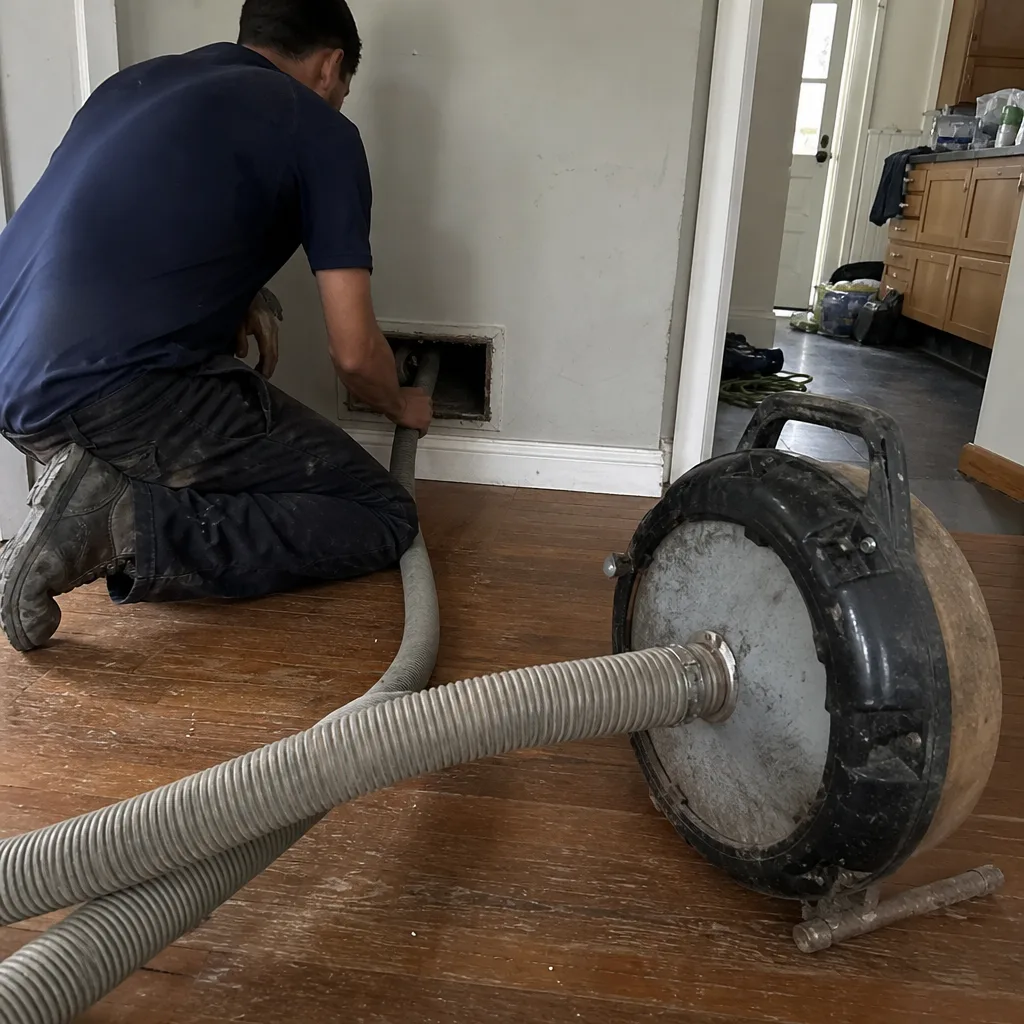 Before
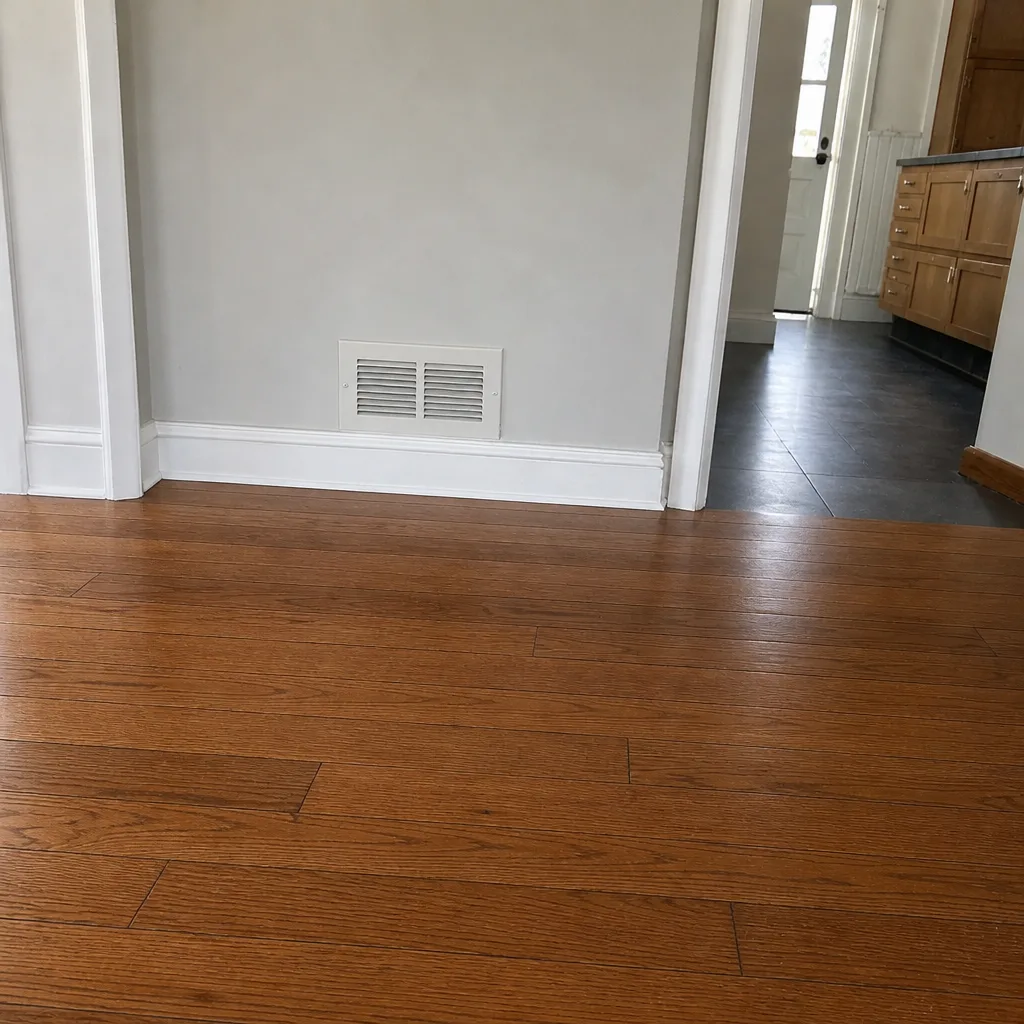 After
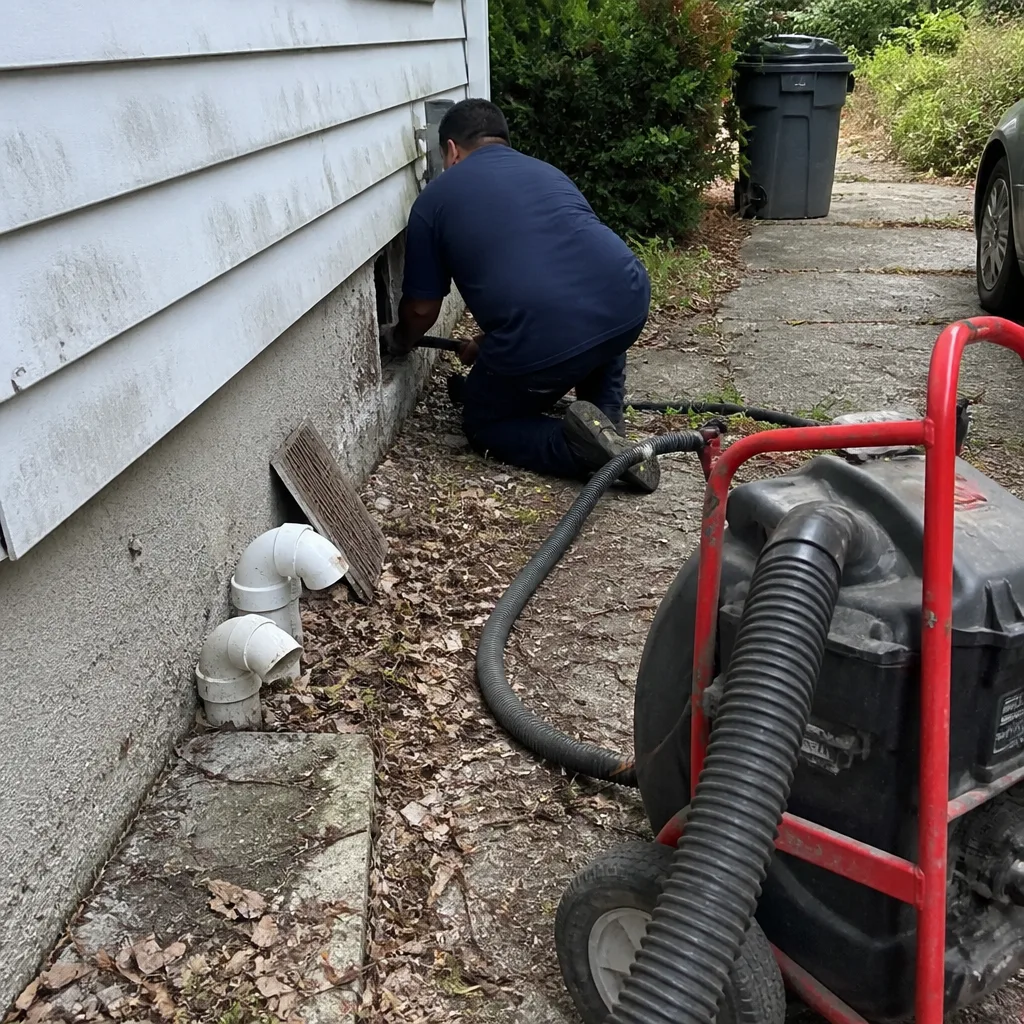 Before
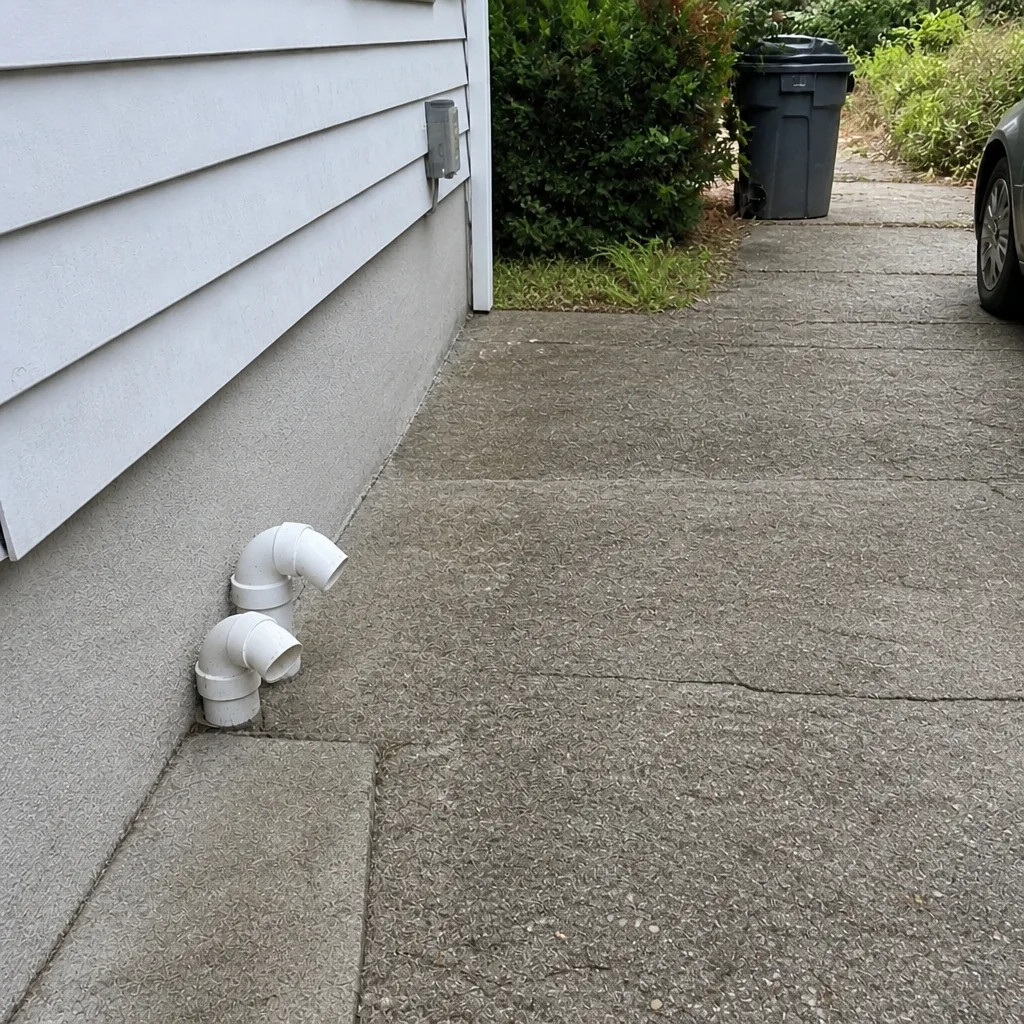 After
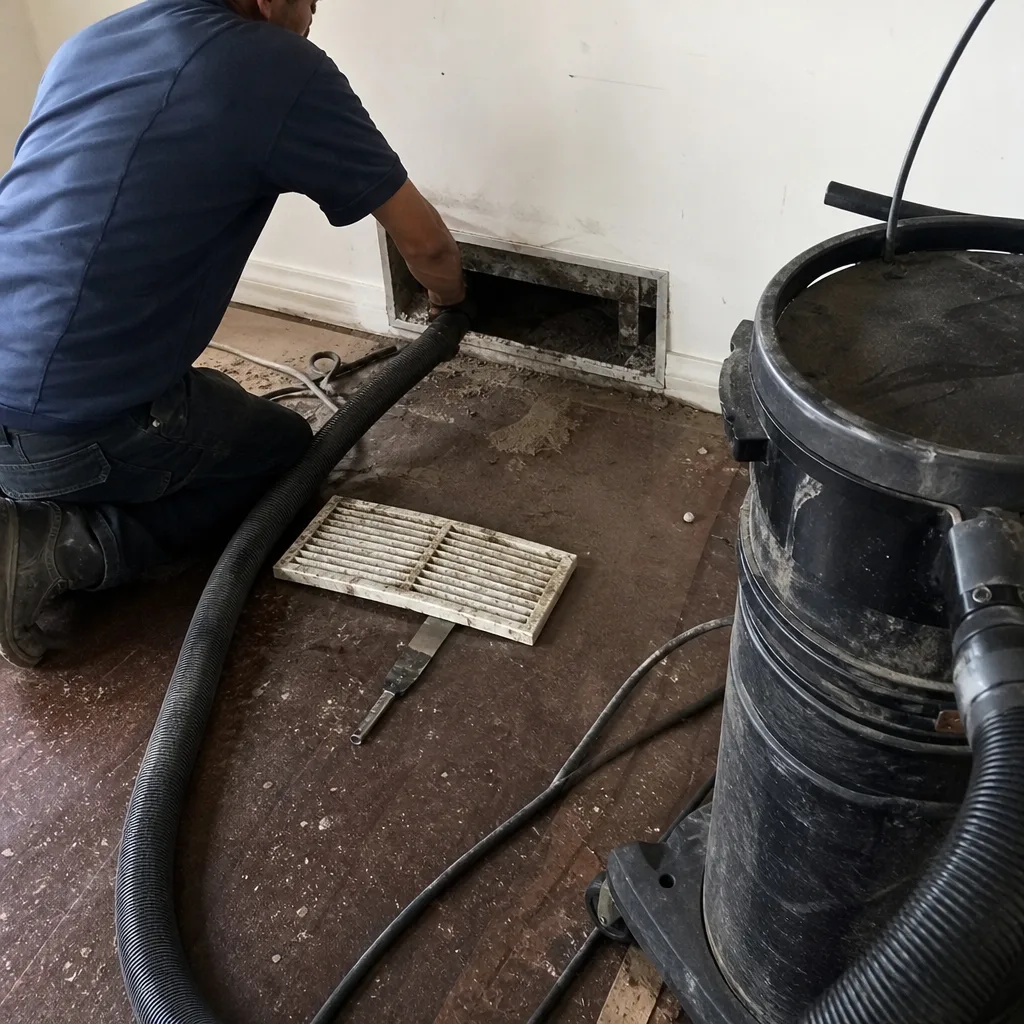 Before
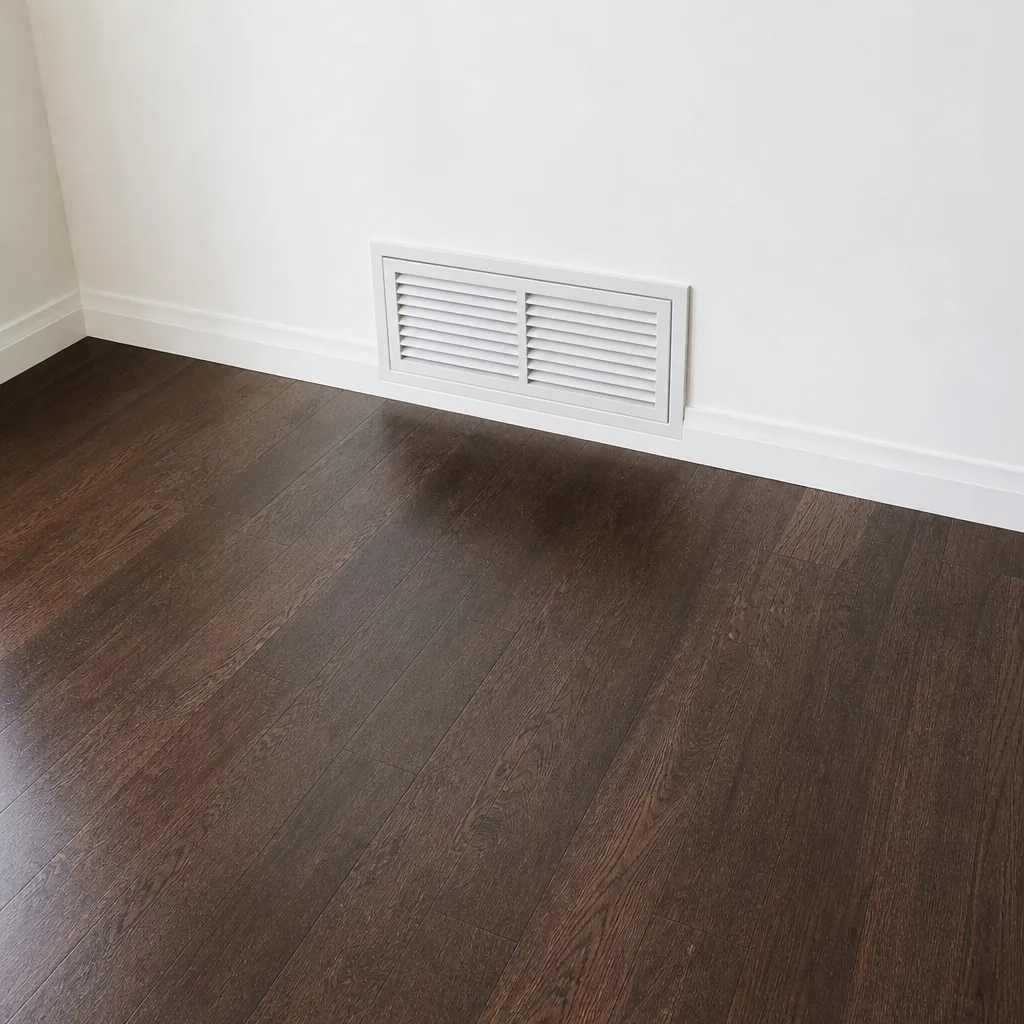 After
When to Call a Professional
Call a professional when the tissue test shows weak airflow at some registers but not others, when a musty smell returns after a cleaning, when you can see dust streaks around a filter edge or a dusty blower, when a room stays dusty after the whole system was cleaned, or when you find a crushed or disconnected duct section. Any of those points to a structural problem that a cleaning alone will not fix. If your own visual inspection shows torn interior liner or visible microbial growth, stop and call before touching anything; those are jobs for trained hands and the right equipment. Air Duct Cleaning Williamsburg offers free estimates in Williamsburg. Call (833) 508-9915. We answer 24/7. Fast dispatch from 7am to 7pm, Sunday through Friday. Our technicians have up to 13 years of experience and will tell you what the system actually needs, not what’s easiest to sell.
Frequently Asked Questions
Typical estimated pricing for a whole-home duct cleaning in Williamsburg runs roughly $350 to $700 for a standard residential system, with larger or more complex systems higher. The written estimate sets the final price, and it’s one flat price per system, not a per-vent count. Call (833) 508-9915 for an exact quote. Estimates are free.
Cheap quotes usually cover only a single vacuum pass on the visible registers, not mechanical cleaning of the branches and main trunk, and they often skip repair, sealing, and verification. The low number is a door-opener; the final invoice arrives once the technician is on site. Ask before you book: is the price per system or per vent, is the work photo-documented, and do they repair and seal as part of the estimate. Call (833) 508-9915 for a written estimate with those answers upfront.
Ask for before-and-after photos of your own ducts, not stock images, and for a re-run of the airflow test at your registers after the job. A proper service will also leave a short findings report on anything that needed repair or sealing. If a provider can’t show you photos of your own ducts at the end, the work can’t be verified. Call (833) 508-9915 for a free estimate and a clear scope.
Most Williamsburg homes are fine with a cleaning every three to five years, but the real driver is what the ducts are showing: heavy dust return, musty odor, recent renovation, or a new pet can all justify a sooner visit. If dust comes back within weeks, the fix is diagnosis and sealing, not a more frequent cleaning schedule. Call (833) 508-9915 for a free estimate and an honest read on your system.
No. Uneven airflow is a pressure and sealing problem, not a dirt problem, and cleaning will not correct it. Branch-level leakage, a disconnected run, a crushed flexible duct section, or an undersized return are the usual causes, and each needs repair or sealing. Call (833) 508-9915 for a free estimate; the technician will run the airflow test and tell you whether the fix is sealing, replacement, or a return-air change.
Yes. The local pro we connect you with is licensed and insured as their state requires, and you should always ask to see that before work starts. The same goes for anyone you hire. One clear standard to hold them to: one flat price per system agreed before work starts, before-and-after photos of your own ducts, and a satisfaction guarantee in writing. Call (833) 508-9915 for a free estimate.
The Bottom Line
Most duct problems that keep coming back are system problems, not cleaning problems. Read the system before you pay for a vacuum pass: run the tissue test at every register, check the filter fit for bypass, look for a torn liner behind the musty smell, and map the dusty rooms back to the branches and returns that serve them. Cleaning is the fix for contamination. Sealing is the fix for leakage. Replacement is the fix for structural failure. Knowing which one you have is the whole job, and it’s the job we do in Williamsburg homes every week. Our technicians have up to 13 years of experience, and we use Rotobrush and Nikro equipment because thoroughness is what makes a difference here, not the speed of the visit.
If you’re not sure which problem you’re looking at, describe it and we’ll tell you. One flat price per system, agreed before work starts. Before-and-after photos of your own ducts. A satisfaction guarantee in writing. The local pro is licensed and insured as their state requires, and every estimate is free. One call can cover cleaning, repair, sealing, and air quality, so you’re not coordinating separate contractors. Call (833) 508-9915 for a free estimate. We answer 24/7. Fast dispatch from 7am to 7pm, Sunday through Friday.
Written by the team at Air Duct Cleaning Williamsburg.