
Last updated November 22, 2026
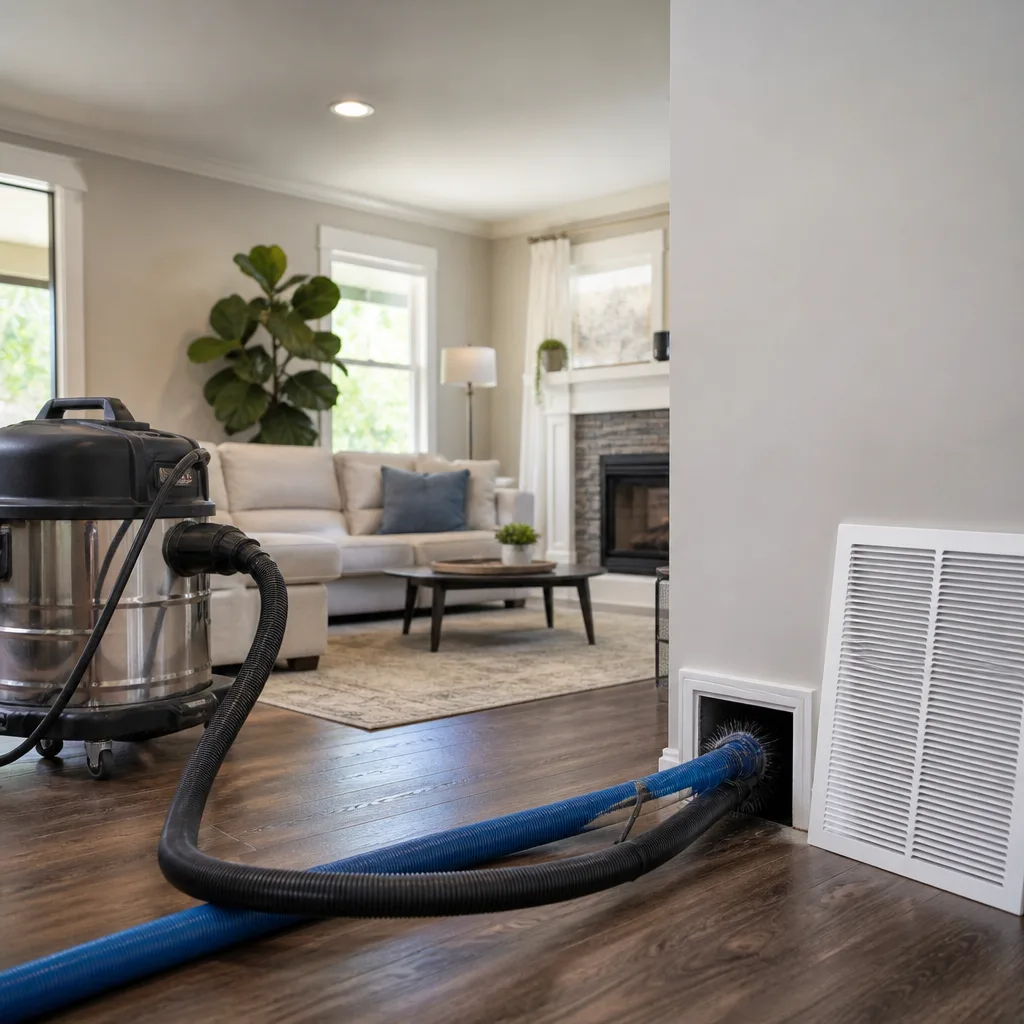 Whole-home duct cleaning
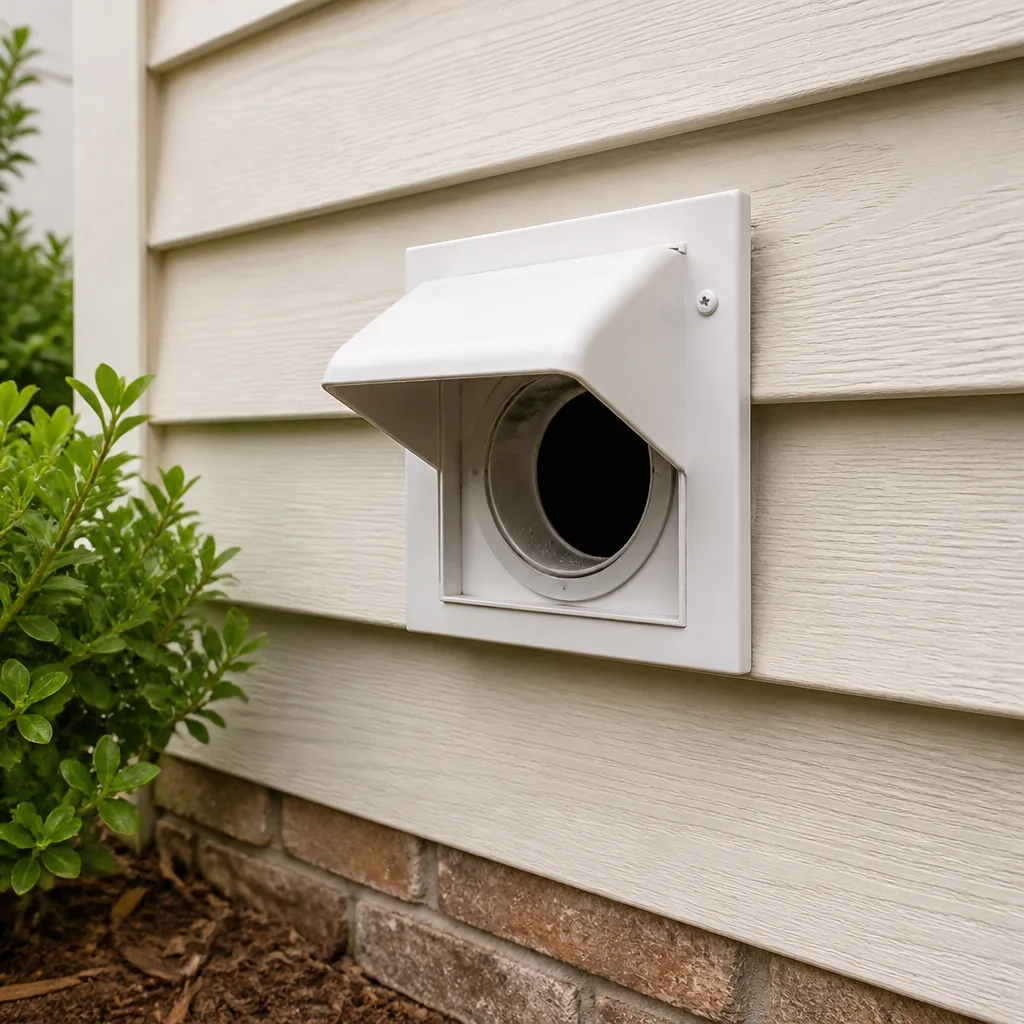 Dryer vent cleaning
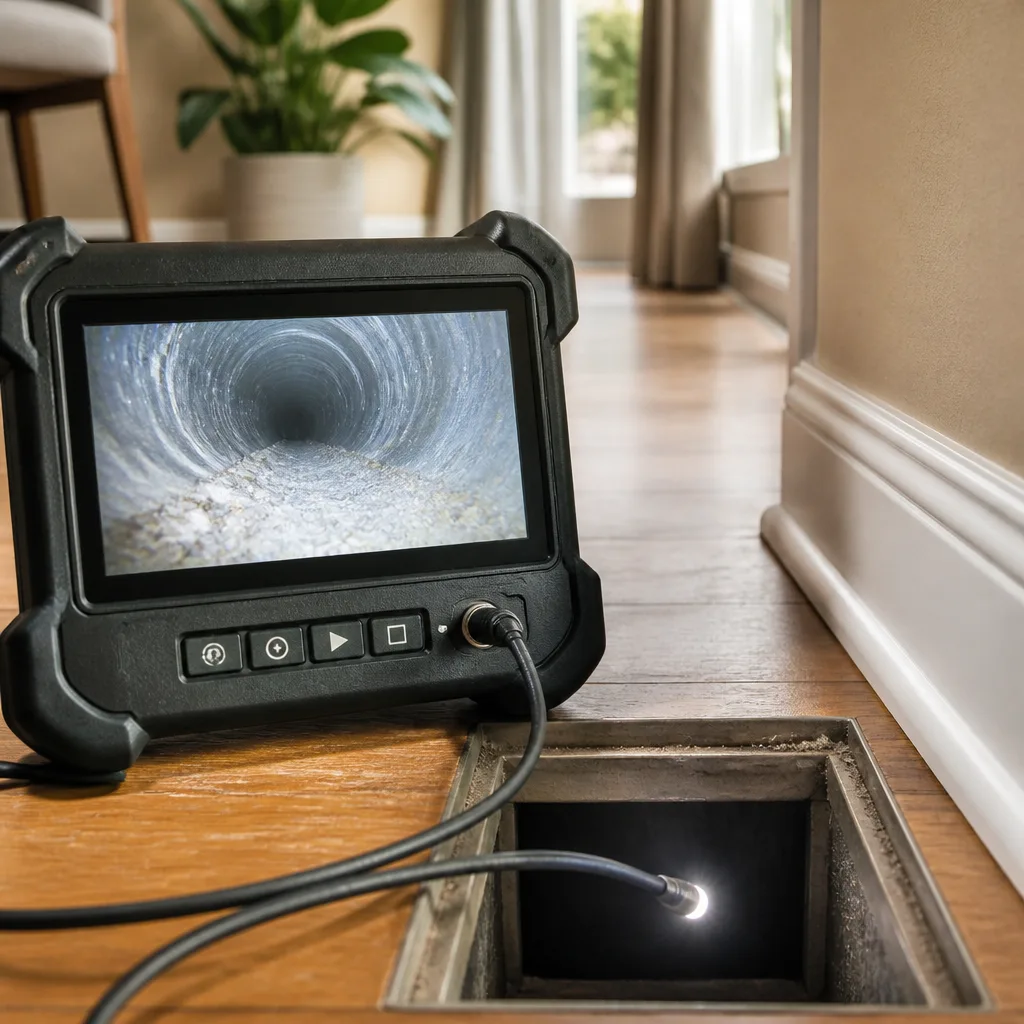 Camera inspection
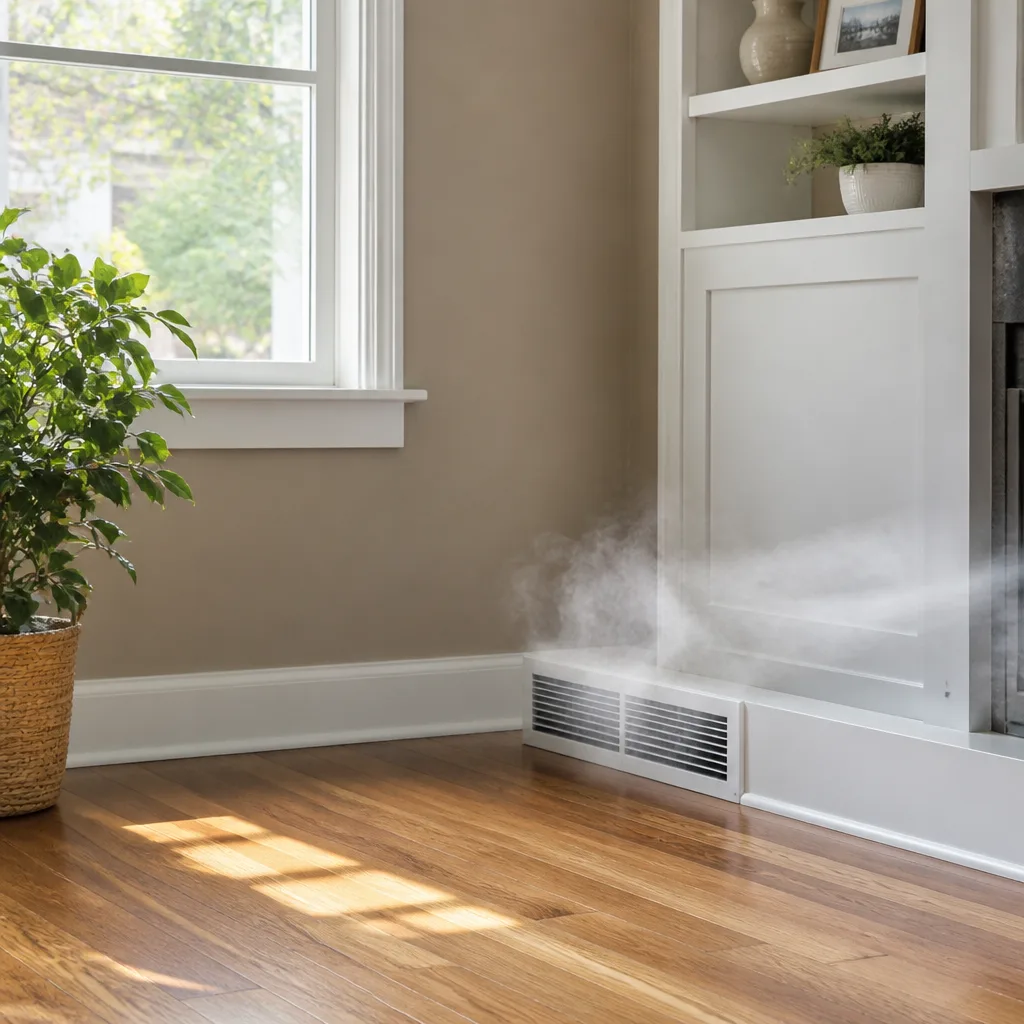 Sanitizing & deodorizing
Whole-system duct and dryer vent check with before-and-after photos - you see exactly what came out of your vents
That "$99 whole-house special" is a bait ad - the real number appears once they are in your hallway, or the "clean" is a shop-vac at the register. We photograph the inside of your ducts before and after instead.
Air Duct Cleaning Permits, Codes & Inspections in Williamsburg, NY: What You Need to Know
Here’s the part most homeowners get backwards: the cleaning itself is the easy half of the paperwork question. No permit is required to vacuum, brush, and sanitize the ducts in your Williamsburg apartment or townhouse. But the moment a technician cuts a new access panel into a trunk line, replaces a crushed section of duct in a co-op kitchen, or wires a UV unit into the air handler, you’ve crossed into work that NYC’s building code treats very differently. That line matters, and it’s the one we watch most closely. This guide walks through where cleaning ends and modification begins, how co-op and condo boards in Williamsburg handle HVAC authorization, what Local Law 97 is doing to duct sealing in larger buildings, how to verify a contractor’s Home Improvement Contractor license, and what happens when unpermitted work surfaces during a sale or an insurance claim.
Quick Answer
Air duct cleaning by itself does not require a permit in New York City. Work that changes the system, such as cutting new access openings, replacing or rerouting duct sections, installing a UV or filtration device in the air handler, or altering airflow in a tenant space, can fall under the NYC Mechanical Code and may require filing. In a Williamsburg co-op or condo, the building’s alteration agreement usually governs approval before any of that repair work starts. Verify the contractor’s Home Improvement Contractor license with the NYC Department of Consumer and Worker Protection, and get the board’s approval in writing.
Styles & brands we work with
- Whole-home duct cleaning
- Dryer vent cleaning
- Camera inspection
- Sanitizing & deodorizing
Table of Contents
- Where Does Cleaning End and Permit-Required Modification Begin?
- How Do Williamsburg Co-op and Condo Boards Handle HVAC Work?
- What Do Local Law 97 and NYC Energy Codes Mean for Duct Sealing?
- How Do You Verify a Contractor’s HIC License?
- What Do Duct Inspections Actually Cover?
- What Happens When Unpermitted Duct Work Is Discovered?
- What Should You Ask Before Any Duct Repair Is Performed?
Where Does Cleaning End and Permit-Required Modification Begin?
This is the question that separates a straightforward maintenance visit from a job that needs a filing. In our experience, the confusion usually comes from one thing: cleaning and repair are often done in the same visit, and the homeowner never realizes they’ve moved from one category into the other.
Cleaning, in the code’s view, is maintenance. A technician removes accumulated dust and debris from ductwork that already exists and doesn’t change how it performs. Neither Chapter 28 of the NYC Building Code nor the Mechanical Code requires a permit for that. Rotary brush and vacuum work through the existing system is maintenance. Sanitizing with Guardsman-grade products is maintenance. Filtering the air as part of the service is maintenance.
Modification is a different story. The following activities typically trigger a review of whether a permit or filing is required:
- Cutting a new access panel or service opening where none existed before
- Replacing a section of damaged duct, especially in a ceiling or wall assembly
- Rerouting duct runs to improve airflow or accommodate a renovation
- Installing a UV system, electronic air cleaner, or added filtration device at the air handler
- Changing the number or placement of supply registers in a unit
- Making any change that affects the mechanical system serving a tenant space in a mixed-use building
None of those activities is automatically denied. They’re simply the ones a Williamsburg homeowner or property manager should confirm with the building’s managing agent and, where the building requires it, a licensed engineer. When we arrive at an apartment and find a crushed flexible duct behind a kitchen soffit or a disconnected run above a bathroom ceiling, we name the repair plainly before any work begins so the property owner can decide whether the job needs a filing. Clean ducts are only part of the job; we inspect, repair, and seal so the system stays clean.
How Do Williamsburg Co-op and Condo Boards Typically Handle HVAC Work?
In a Williamsburg co-op or condo, the board comes before the technician. HVAC work inside a unit usually requires approval under the building’s alteration agreement, and the process can be quicker or far slower than a homeowner expects.
The path generally looks like this:
- Read the alteration agreement or house rules. Almost every Williamsburg co-op has one, and many condos run on similar rules through their managing agent.
- Submit a written request to the managing agent describing the work. Include whether you’re asking for cleaning only or for repair and sealing as well.
- Provide the contractor’s certificate of insurance naming the building as additional insured. Boards routinely require this before anyone touches a ceiling.
- Provide proof of a valid Home Improvement Contractor license where required for the work being performed.
- Get approval in writing before the technician arrives. A verbal “sure, go ahead” from a board member does not protect the owner if the work is later disputed.
Two Williamsburg quirks stand out. Many of the neighborhood’s mid-rise buildings were converted from industrial use, and the ductwork often runs through shared soffits, riser closets, or corridor bulkheads that are technically common elements. Repair work in those zones is board territory, not homeowner territory. Second, a growing number of buildings require contractors to hold specific insurance limits and to submit a work schedule before arriving. A contractor who arrives without that paperwork can stall a job at the door. We ask about alteration agreement requirements before booking, and we’ve learned to expect the building to control the answer more than the homeowner does.
What Do Local Law 97 and NYC Energy Codes Mean for Duct Sealing Work?
Duct sealing is moving from a nice-to-have to a planning requirement in the larger residential buildings around Williamsburg. Local Law 97 sets carbon limits on buildings above a certain size, and leaky ductwork is one of the quieter reasons a building’s energy use runs higher than it should.
The reasoning is straightforward. Air that escapes through a disconnected duct joint or an unsealed boot doesn’t reach the room it’s meant to heat or cool. The HVAC system runs longer to make up the difference, and the building’s energy consumption climbs. NYC’s energy code, meanwhile, expects ductwork in new and altered systems to be sealed against leakage rather than left to leak as a matter of course.
For a Williamsburg property manager, this changes the conversation in three ways:
- A duct cleaning visit is the sensible moment to find leaks, since the technician is already in the system. We carry the sealing step alongside cleaning so problems get handled in the same visit.
- Sealing is documented work. Photos before and after, and a written description of what was sealed, matter when a board or a building owner is tracking its energy obligations.
- Modifications made during an energy-driven retrofit can add up quickly. Anything that changes the system layout rather than just sealing it should be reviewed with the managing agent before work begins.
For individual homeowners in a smaller building, the energy code implications are simpler. Sealing a few loose joints costs less than running a system that leaks, and it extends the benefit of the cleaning you just paid for. When we return a system to service, we use the same equipment professionals rely on, including Nikro negative-air gear to keep dust from drifting into the living room while we work.
How Do You Verify a Contractor’s HIC License?
Before any repair work begins, verify that the contractor is licensed by the NYC Department of Consumer and Worker Protection. The Home Improvement Contractor license is not optional for most home improvement work in the city, and it’s easy to check.
Run this sequence before you book anything beyond a basic cleaning:
- Ask the contractor for their HIC license number in writing. A legitimate contractor gives it without hesitation.
- Look the number up through the NYC Department of Consumer and Worker Protection’s online lookup.
- Check that the license is active and that the business name on the license matches the business on the estimate.
- Ask for a certificate of insurance and confirm it lists general liability coverage. In a co-op or condo building, the managing agent will usually require this before work is approved.
- Keep the license number and insurance certificate with your project records. If you sell the apartment later, this paperwork is the difference between an easy answer and a difficult one.
The same discipline applies to duct repair and sealing work. A contractor who cleans ducts but subcontracts the repair phase to someone else creates a paperwork gap. When we handle a Williamsburg job that involves both cleaning and sealing, the same team manages both phases, so there’s no ambiguity about who performed what. Ask any contractor you’re considering: will the person cutting into my ceiling be an employee or someone you brought in? The answer tells you a lot about how the paperwork will look.
What Do Duct Inspections Actually Cover?
A duct inspection is not a permit filing, and it’s not a code compliance check. It’s a look inside the system to see what’s actually there, and it’s the piece most homeowners skip because they think the cleaning crew covers it. Sometimes they don’t.
A useful inspection covers five things:
- Visibility into the system. Can the technician actually see the duct interior, or is the run boxed in with no access point? If there’s no access panel, the next question is whether adding one counts as a modification.
- Condition of the duct material. Flexible duct that’s been crushed, torn, or disconnected from a boot needs repair, not just cleaning.
- Moisture and contamination. Water staining inside a duct or visible microbial growth in the air handler changes the scope of the job.
- Filter and air handler condition. A neglected filter or a blower that’s caked in dust is a sign the system hasn’t been serviced in a while.
- Leak points. Disconnected joints, torn boots, and gaps at registers are where efficiency goes missing.
In Williamsburg, the inspection story often runs through older buildings where interior ductwork was retrofitted at some point. It’s not unusual to find a chase that was rerouted during a renovation with no documentation. That’s where before-and-after photos earn their keep: they tell the next owner what was done and when, and they answer the question a buyer’s inspector will eventually ask. We take those photos on every job for exactly that reason. Air quality you can verify, not just claim.
What Happens When Unpermitted Duct Work Is Discovered?
Unpermitted duct work tends to surface at the two worst possible moments: a building sale and an insurance claim. Both times, the paperwork question arrives before anyone gets to talk about the work itself.
During a sale, a buyer’s engineer or the building’s managing agent may request records of any HVAC modifications made to the unit. If a duct was cut, rerouted, or replaced without a filing, the seller has to answer for work they may not have authorized. The remedy is rarely dramatic, but it slows the deal and can shift negotiating leverage. In a co-op, the board can also require remedial work before approving a transfer.
During an insurance claim, the question is whether the damage traces back to a modification that wasn’t disclosed. A water-damaged ceiling under a rerouted duct run, for example, raises questions about who performed the work and whether it was approved. Insurers ask for documentation, and if there is none, the claim gets more complicated.
The way to avoid this scenario is to insist on three things on every repair job:
- A written scope listing the specific repair work performed, separate from the cleaning scope
- Photos of the duct before and after, kept with your records
- A copy of any approval from the building’s managing agent or board, if the building required one
A contractor who plans to be around long enough to answer questions will provide all three without being asked. A contractor who doesn’t is telling you something. If your Williamsburg apartment has had duct work done in the past and you can’t produce the paperwork, it’s worth talking through the options with a professional before you list or refinance. For context on the broader service we offer, see air duct cleaning.
What Should You Ask Before Any Duct Repair Is Performed?
The right questions asked early save a lot of headaches later. Here’s what we’d put on the list.
- Will this work change the layout of my duct system, or only clean and seal it as it exists?
- Does my building’s alteration agreement require approval before the work starts?
- What is your HIC license number, and where is your certificate of insurance?
- Who will perform the repair? Is that person your employee or a subcontractor?
- Will I receive photos of the duct before and after, and a written scope of the work?
- If the system has filter access or air quality needs, what filtration product would you recommend?
Two Williamsburg-specific notes. First, in a co-op, ask whether the repair location is a common element. A duct that runs through a shared ceiling is not the same as a duct entirely inside your unit. Second, ask how the contractor handles the system’s other air pathways. A dryer vent that’s clogged or disconnected is a safety matter independent of the duct cleaning scope, and we treat dryer vent cleaning as a separate service that belongs in any full system review. If you’re comparing contractors, our main Williamsburg page lays out the full scope: Air Duct Cleaning Williamsburg.
Common Mistakes to Avoid
- Assuming repair work is covered by the cleaning visit. A cleaning estimate and a repair estimate are two different documents. Ask for both in writing before booking.
- Skipping the managing agent. In a Williamsburg co-op, going straight to the contractor without board approval creates a paperwork problem that can follow the apartment for years.
- Not checking the HIC license. Verification takes a few minutes through the NYC Department of Consumer and Worker Protection. Do it before any repair work begins, not after.
- Relying on a verbal estimate. Get the scope in writing, with the specific repair listed. “Cleaning and whatever else we find” is not a scope.
- Ignoring visible moisture or microbial growth. A duct that’s been wet is a different job than a duct that’s dusty. Address it as a repair, not a cleaning, and expect a different scope.
- Skipping photos. Without before-and-after photos, it’s hard to prove what was done when a future buyer or insurer asks. Ask for photos on every job.
- Treating dryer vents as part of the HVAC system. A dryer vent is a separate pathway with its own safety considerations. Give it its own visit and its own records.
See the difference
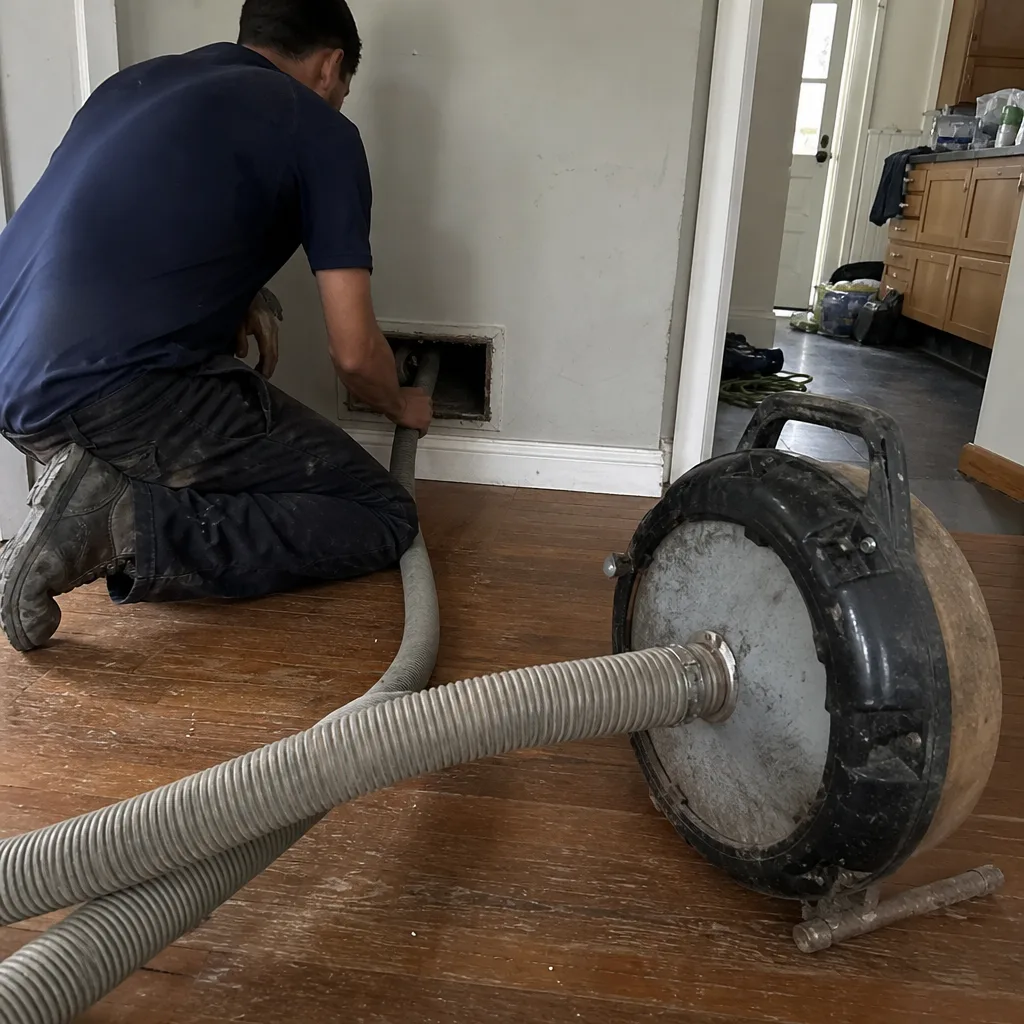 Before
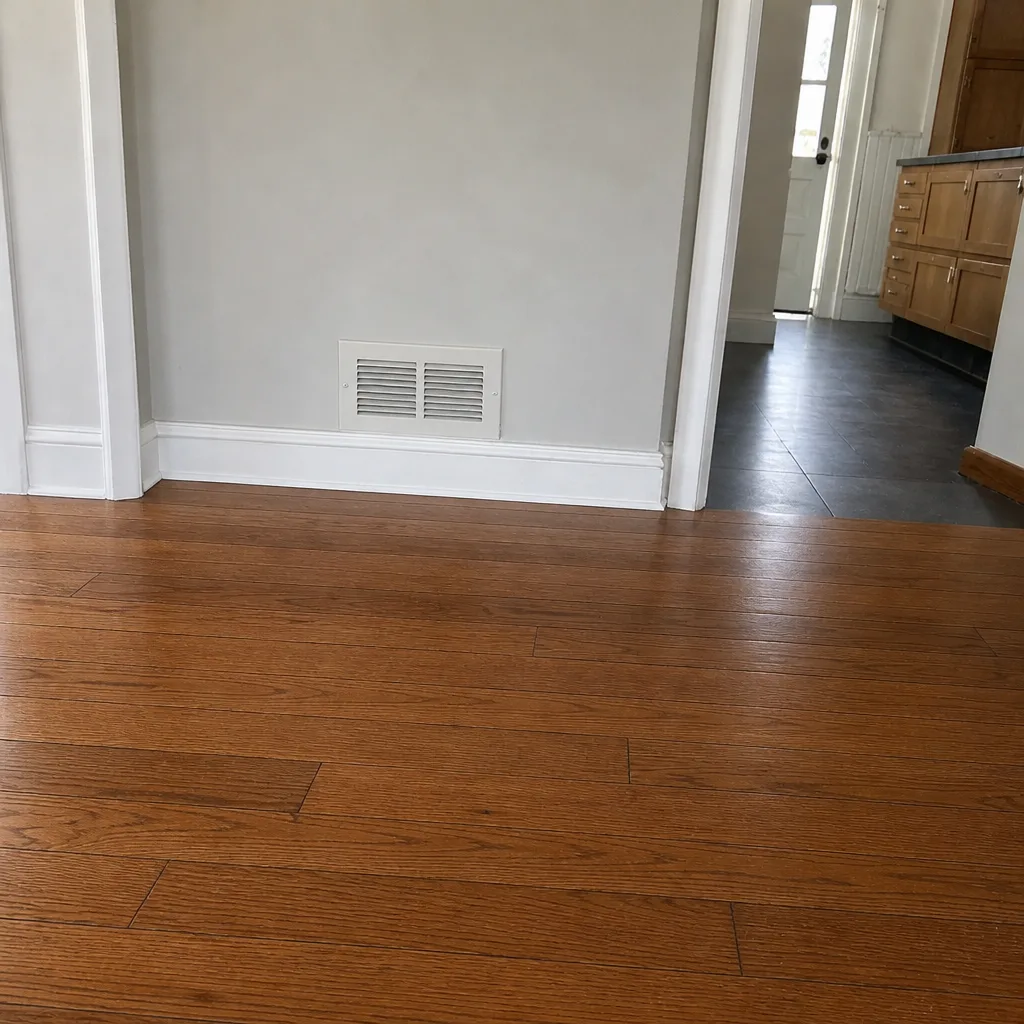 After
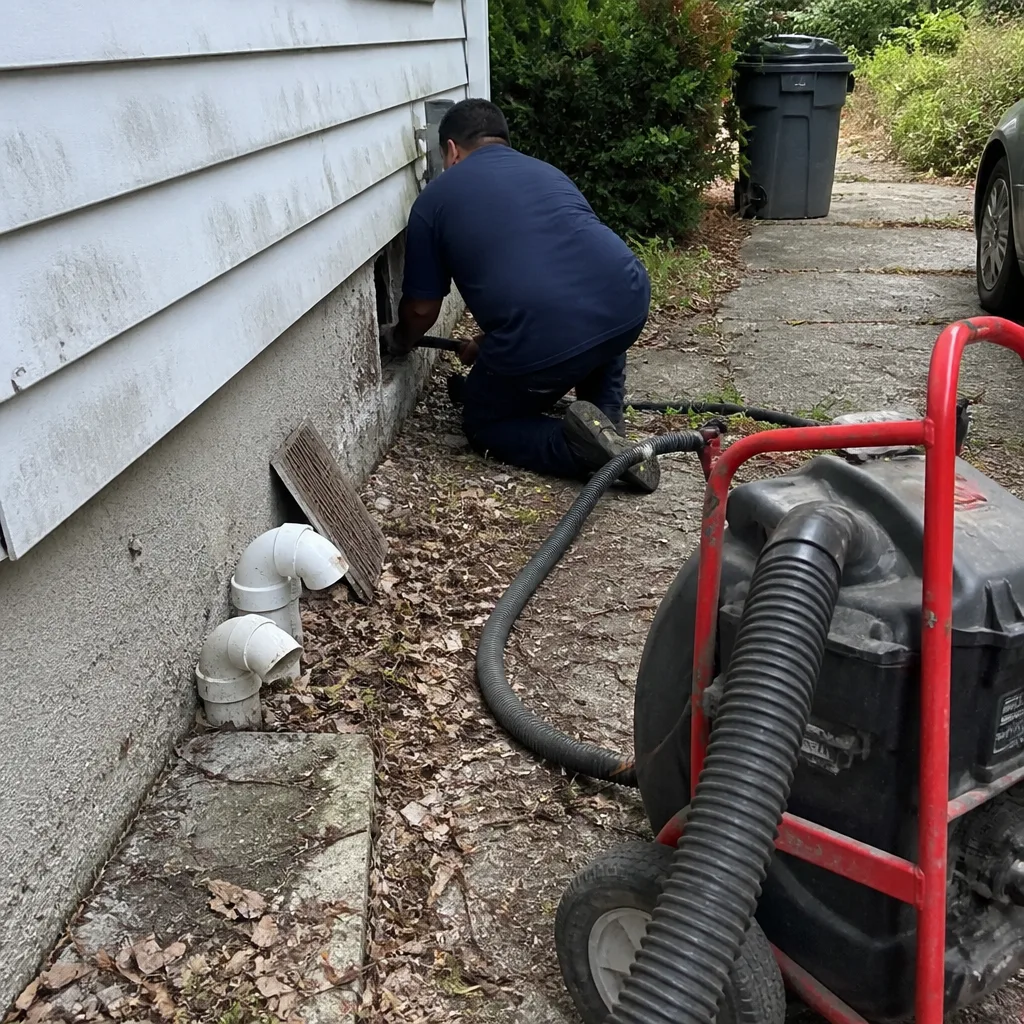 Before
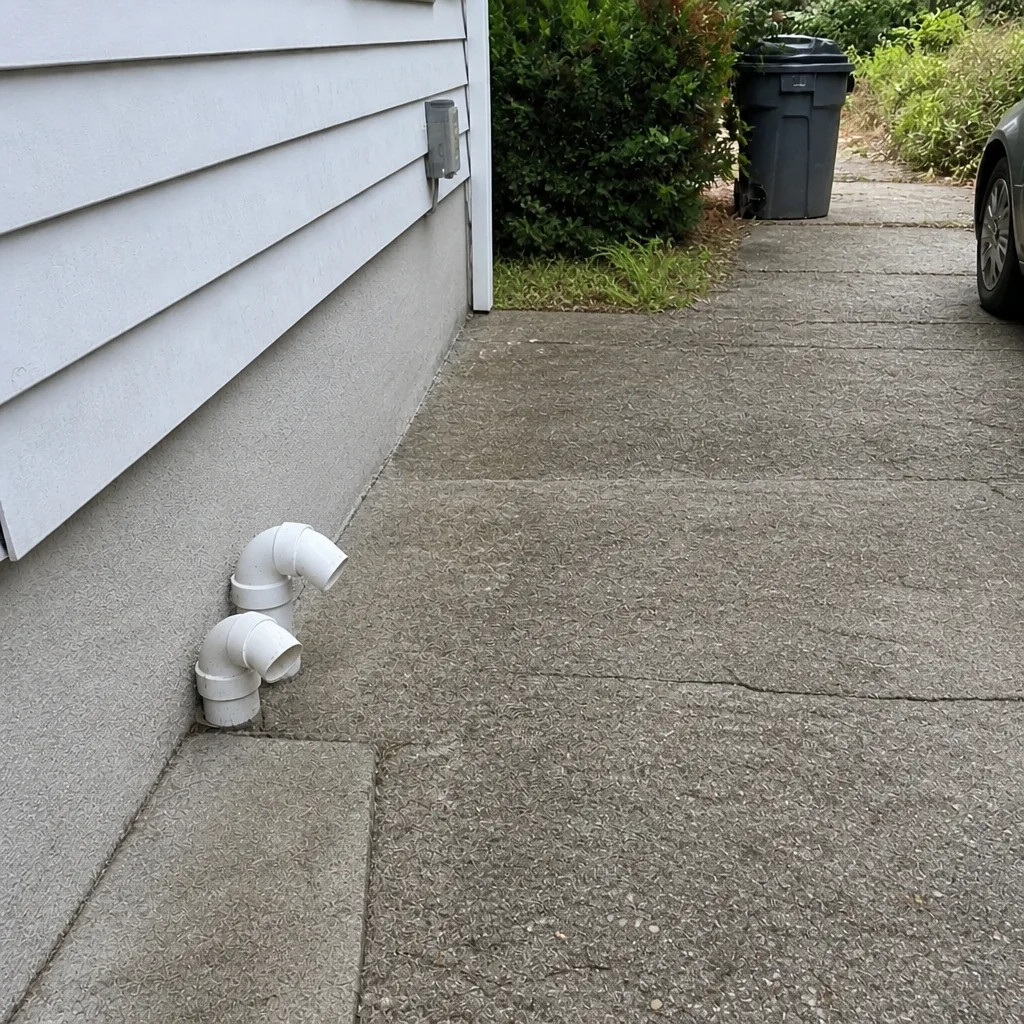 After
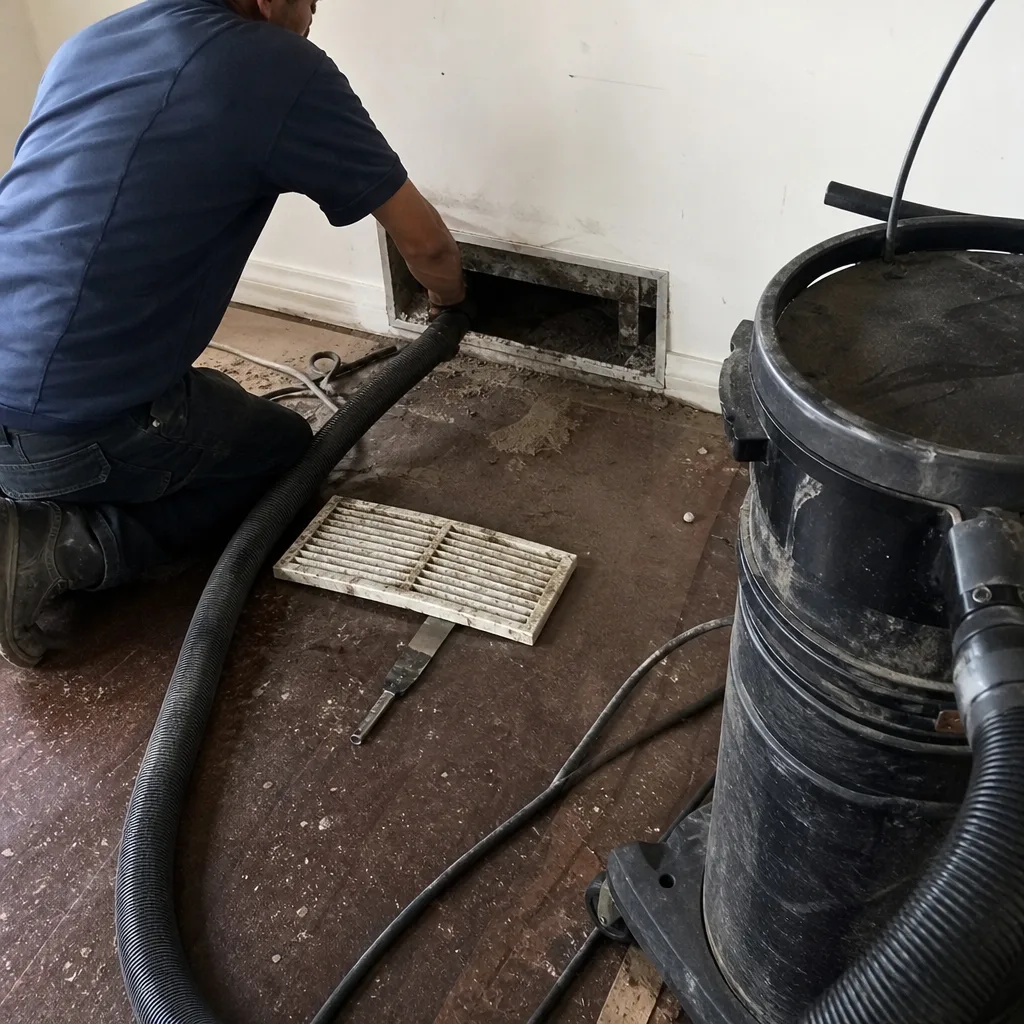 Before
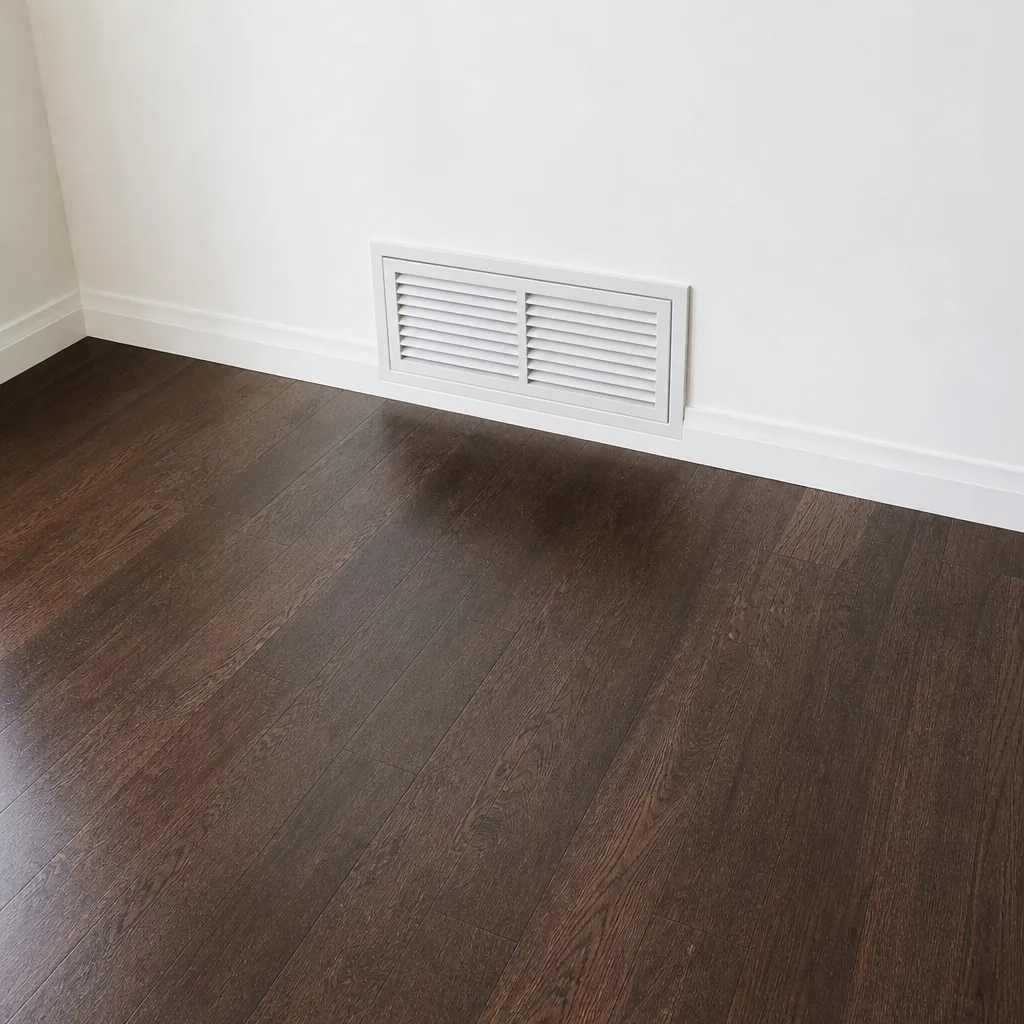 After
When to Call a Professional
Call a professional duct cleaning service when the system is audibly moving dust, when a filter clogs faster than it should, or when you can see visible buildup in a register. Call before any repair begins if your building’s managing agent hasn’t approved the work. Call before any permit-related modification, including a new access panel, a duct replacement, or a UV device installation in the air handler. Call if you’re buying or selling a unit and can’t find records of past duct work. Air Duct Cleaning Williamsburg offers free estimates in Williamsburg. Call (833) 508-9915. We answer 24/7. Fast dispatch from 7am to 7pm, Sunday through Friday.
Frequently Asked Questions
No. Air duct cleaning by itself does not require a permit in New York City. The permit question comes up when a technician cuts a new access panel, replaces a duct section, or installs a device like a UV system in the air handler. If your job involves only vacuuming, brushing, and sanitizing within the existing system, no filing is needed. If it involves repair or modification, check with the building and, where applicable, a licensed engineer. Call (833) 508-9915 for an exact quote on a cleaning scope; estimates are free.
Check your building’s alteration agreement or house rules. Most Williamsburg co-ops require written board or managing agent approval before HVAC work inside a unit, and many condos apply similar rules through their managing agent. Approval is usually required for repair and modification, and sometimes for access work where the duct runs through a common element. When in doubt, ask the managing agent in writing before booking the work. Call (833) 508-9915 if you’d like us to walk through what your scope involves.
Whole-system cleaning in Williamsburg typically runs from roughly $350 to $900 for a standard apartment or small home, with larger systems and additional services like sealing or sanitizing priced above that range. Duct repair and sealing are quoted separately per job based on scope. We give one flat price per system agreed before work starts, so the written estimate sets the final price. Call (833) 508-9915 for an exact quote; estimates are free.
Cheap quotes usually price per vent rather than per system, which means the crew cleans the accessible vents and stops there. Repair, sealing, and sanitizing are add-ons that appear once the technician is on site, and the final bill is much larger than the teaser. Our approach is one flat price per system, agreed before work begins, with photos before and after. Call (833) 508-9915 if you’d like to compare scopes; estimates are free.
Ask for photos of your own ducts before and after the service, plus a written scope of what was cleaned, sealed, or repaired. We take those photos on every Williamsburg job and share them with the property owner. Photos and the written estimate are also the paperwork that helps if you later sell the apartment or need to support an insurance claim. Call (833) 508-9915 for an exact quote; estimates are free.
Local Law 97 sets carbon limits for larger buildings, and leaky ductwork is a common reason a building’s energy use runs higher than it needs to. That makes duct sealing a practical move for property managers in larger Williamsburg residential buildings, not just a comfort upgrade. NYC’s energy code also expects ductwork in new and altered systems to be sealed against leakage. Call (833) 508-9915 if you’re tracking down leaks; estimates are free.
The Bottom Line
Air duct cleaning doesn’t require a permit. The repairs, sealing, and system modifications that often accompany a professional cleaning job can. In a Williamsburg co-op or condo, the building’s alteration agreement will usually decide what gets approved before anyone touches your ceiling. Verify the contractor’s Home Improvement Contractor license through the NYC Department of Consumer and Worker Protection, get board approval in writing, and keep photos and written scope from every job. Local Law 97 is quietly raising the value of sealing work in larger buildings, and unpermitted duct work is much easier to prevent than to explain during a sale. If you’re in doubt about a particular scope, call (833) 508-9915. We answer 24/7. Fast dispatch from 7am to 7pm, Sunday through Friday. The estimate is free and the price is set per job by the written estimate.
Written by the team at Air Duct Cleaning Williamsburg.